

Good deer resistant flowers include catmint, lavender, threadleaf coreopsis and daffodils for sun; bleeding heart and Lenten rose for shade; and snapdragons and sweet alyssum for seasonal pots. All are in Rutgers’ highest resistance category, but hungry deer can still browse them. The right choice also depends on your light, soil and whether pets can reach the plants.
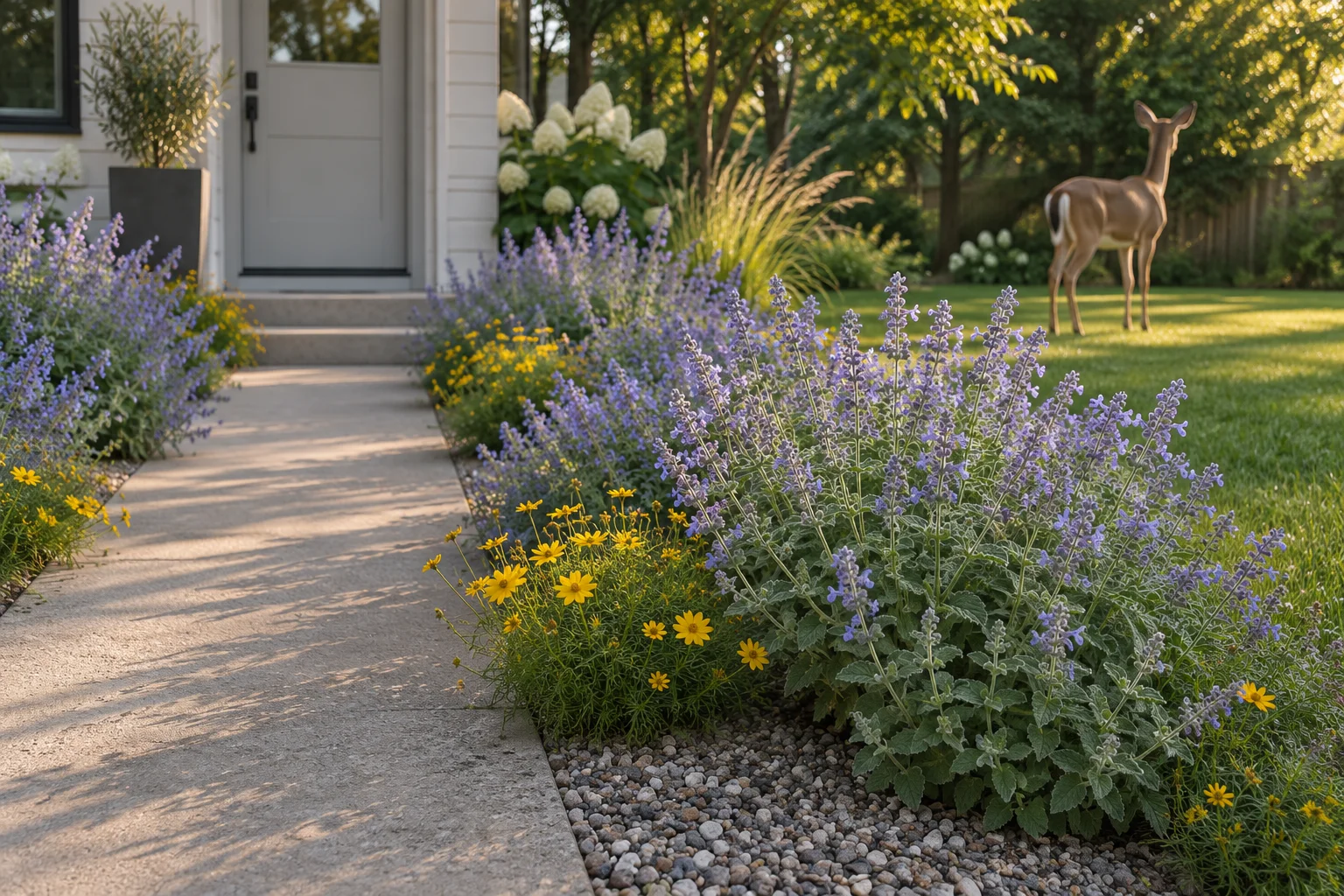
If deer have eaten the tulips by your front step, a better plant list is a useful place to start. These 24 flowers are grouped into sun perennials, shade choices, annuals and bulbs, with a comparison table and practical planting combinations. For the surrounding bed layout, see our low-maintenance front yard flower garden ideas.
Table of Contents
At a Glance: Which Flowers Should You Choose?
- Hot, sunny, well-drained beds: start with catmint, Russian sage and threadleaf coreopsis. Water new plants while their roots establish.
- Part shade: try bleeding heart or Lenten rose; add astilbe where the soil stays moist and coral bells for foliage color.
- Seasonal containers: snapdragons and sweet alyssum suit cooler weather; dwarf zinnias and French marigolds suit warm, sunny conditions.
- Pets in the yard: coreopsis, common snapdragon, zinnia and Heuchera sanguinea have explicit ASPCA non-toxic listings. See the species-specific pet notes before buying.
- Frequent deer visits: choose higher-resistance plants and protect them with a suitable barrier. A scented border, a pot or a spot beside the door cannot guarantee protection.
How These Flowers Were Selected
The deer ratings come from Rutgers Cooperative Extension’s landscape plant database, which draws on observations from nursery and landscape professionals, extension staff and Master Gardeners in northern New Jersey. Growing details are checked against NC State Extension profiles, linked through the botanical names below. This is a comparison of those sources; local deer behavior and cultivar performance can differ.
A = rarely damaged; B = seldom severely damaged. Neither category means immune to browsing. Some Rutgers entries cover a genus rather than every individual cultivar, and its printable list specifically notes that deer may eat iris and peony buds. Treat the rating as a starting point, then check what survives in nearby gardens.
Strong aromas, coarse or fuzzy leaves, and toxic compounds can make plants less appealing to deer, as University of Georgia Extension explains. None of those traits makes a plant a protective shield for its neighbors. Deer resistance also tells you nothing by itself about safety for children, cats or dogs.
24 Deer Resistant Flowers Compared
These recommendations use USDA zones and typical temperate U.S. growing seasons. Full sun means at least six hours of direct light; part shade generally means two to six hours or filtered light. Bloom windows and mature sizes vary by climate and cultivar. The annual labels describe how those plants are grown in this guide.
| Flower | Rutgers | Light | Typical height | Bloom window | USDA zones |
|---|---|---|---|---|---|
| Catmint | A | Sun / part shade | 18–24 in | Late spring–summer | 5–9 |
| English lavender | A | Sun | 1–2 ft | Summer | 5–9 |
| Russian sage | A | Sun | 2–4 ft | Summer–fall | 5–9 |
| Herbaceous peony | A | Sun / light shade | 1–3 ft | Late spring–early summer | 3–8 |
| Bearded iris | A | Sun | 1–4 ft | Spring–early summer | 4–10* |
| Lamb’s ear | A | Sun / part shade | 12–18 in | Summer; grown for foliage | 4–9 |
| Threadleaf coreopsis | A | Sun / part shade | 2–3 ft; shorter cultivars | Late spring–summer | 3–9 |
| Common yarrow | B | Sun | 1–3 ft | Summer–early fall | 3–9 |
| Purple coneflower | B | Sun / part shade | 3–4 ft | Summer; sometimes into fall | 3–8 |
| Black-eyed Susan | B | Sun | 2–3 ft | Summer–fall | 3–9 |
| Bee balm | B | Sun | 2–4 ft | Summer–early fall | 4–9 |
| Bleeding heart | A | Part / full shade | 2–3 ft | Spring–early summer | 3–9 |
| Lenten rose | A | Part / full shade | 1–2 ft | Late winter–spring | 4–9 |
| Astilbe | B | Part shade / shade | Usually 2–3 ft | Late spring–summer; varies | 3–9 |
| Coral bells | B | Varies by cultivar | 6–20 in foliage | Late spring–summer; varies | 3–9 |
| Common foxglove | A | Part shade / sun in cool areas | 2–5 ft | Late spring–summer | 4–9 |
| Snapdragon | A | Sun / part shade | 6 in–3 ft | Spring / fall; cool summers | Grown as annual |
| Sweet alyssum | A | Sun / part shade | 3–10 in | Spring–fall in cool weather | Grown as annual |
| French marigold | B | Sun / light shade | 6–12 in | Summer–frost | Annual |
| Zinnia | B | Sun | 6 in–3 ft | Summer–frost | Annual |
| Ageratum | A | Sun / part shade | 6–12 in; taller cultivars | Summer–frost | Annual |
| Daffodil | A | Sun / part shade | 8–30 in | Late winter–spring | Usually 4–8 |
| Giant ornamental onion | A | Sun | Up to 6 ft | Late spring–early summer | 4–8 |
| Snowdrop | A | Sun / part shade | 4–10 in | Late winter–early spring | 3–9 |
*The bearded iris zone range follows Texas Tech University’s plant profile. Confirm the label on your particular cultivar. A zone describes winter cold tolerance, not whether a plant will enjoy your summer heat, humidity or soil.
Deer Resistant Perennials for Full Sun
These flowers suit sunny borders, with a few tolerating light afternoon shade. Match their water needs as carefully as their deer ratings: bee balm belongs in a moister bed than lavender or Russian sage.
1. Catmint (Nepeta × faassenii)
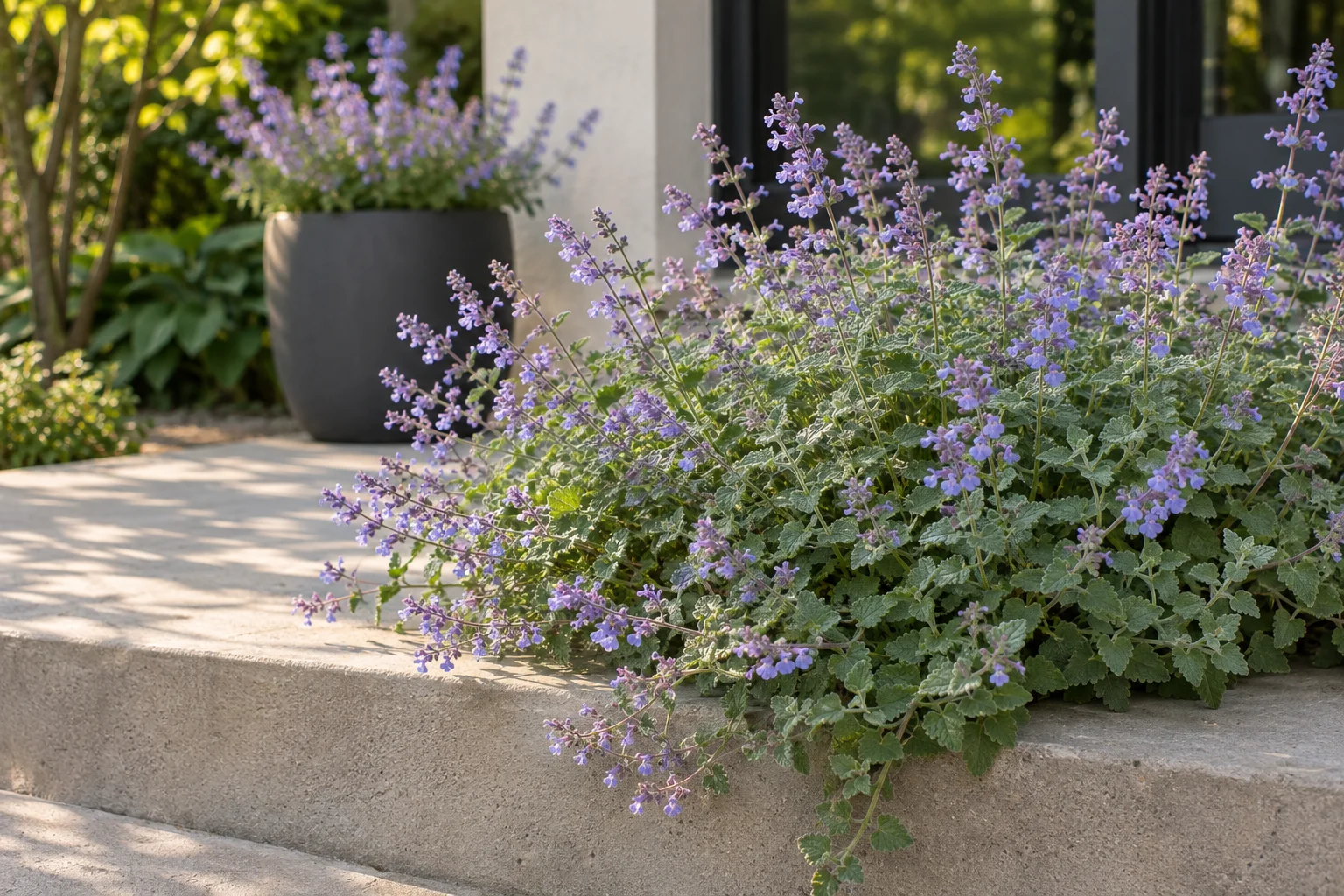
Catmint softens a front walk with relatively little upkeep: a soft gray-green mound that turns lavender-blue in late spring and keeps going into summer. Aromatic foliage helps discourage browsing, while the flowers attract pollinators.
- Bloom: late spring into summer, longer if you shear it by a third after the first flush.
- Water and soil: any well-drained soil, including shallow rocky ground; drought tolerant once established; zones 5 to 9.
- Pets: this hybrid is different from catnip (Nepeta cataria), the species in the ASPCA catnip entry. That listing does not establish this hybrid’s safety; discourage chewing and check the exact plant with your veterinarian.
- Skip it if: your cat rolls in anything minty; a flattened catmint stops looking like a hedge.
2. English Lavender (Lavandula angustifolia)
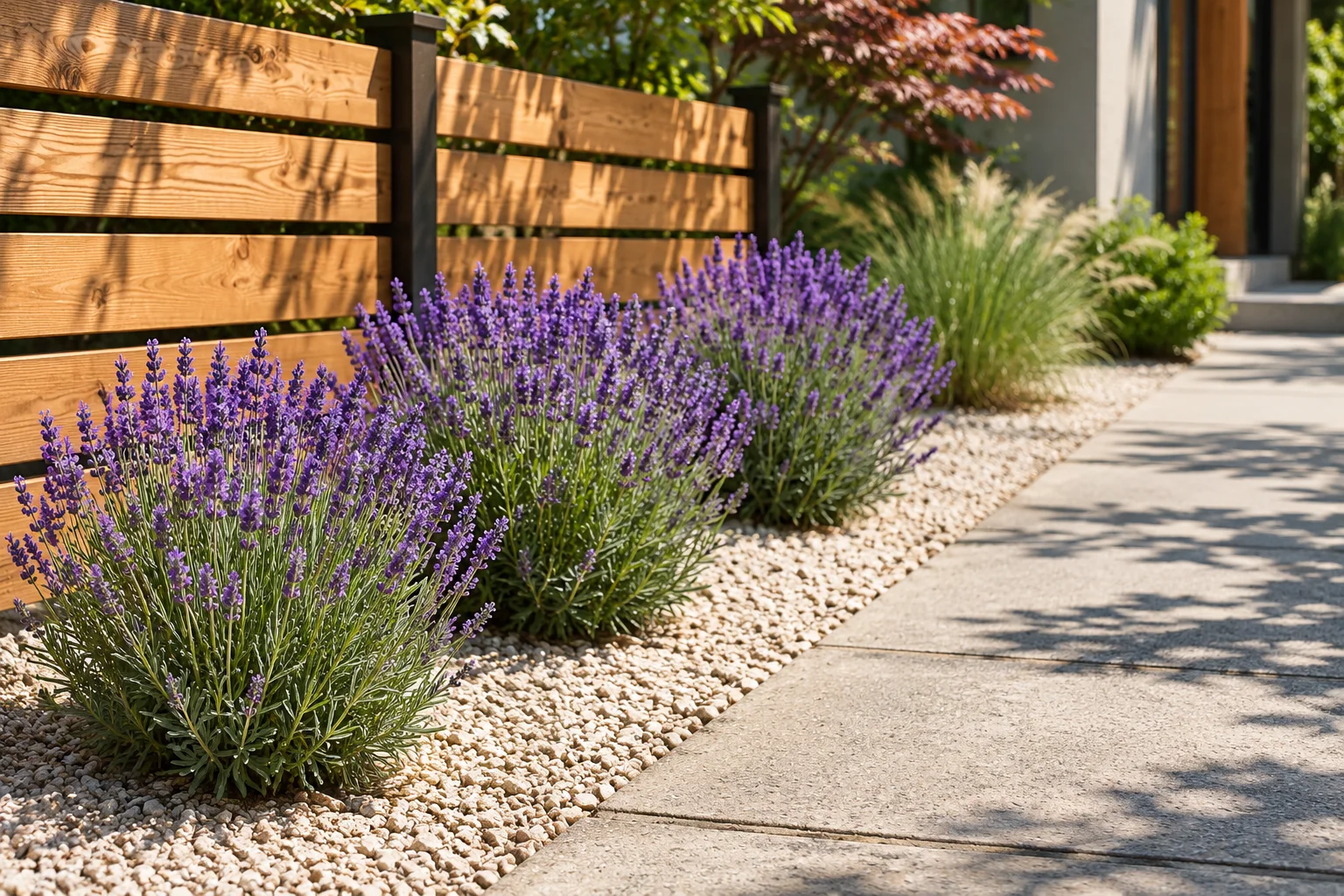
Lavender is an A-rated flower and picky about where it lives: full sun and soil that drains almost too well, on the dry side. Poor drainage and prolonged humidity can make it difficult to keep healthy.
- Bloom: summer; purple, sometimes pink or white by cultivar; zones 5 to 9, 1 to 2 feet tall and up to 3 feet wide.
- Soil fix: in clay, grow it in a raised bed or a pot with a gritty mix.
- Pets: NC State flags English lavender as a problem for cats and dogs. Keep it away from pets that chew plants.
- Skip it if: your bed is clay, your summers are humid, or your dog chews everything in reach.
3. Russian Sage (Salvia yangii)
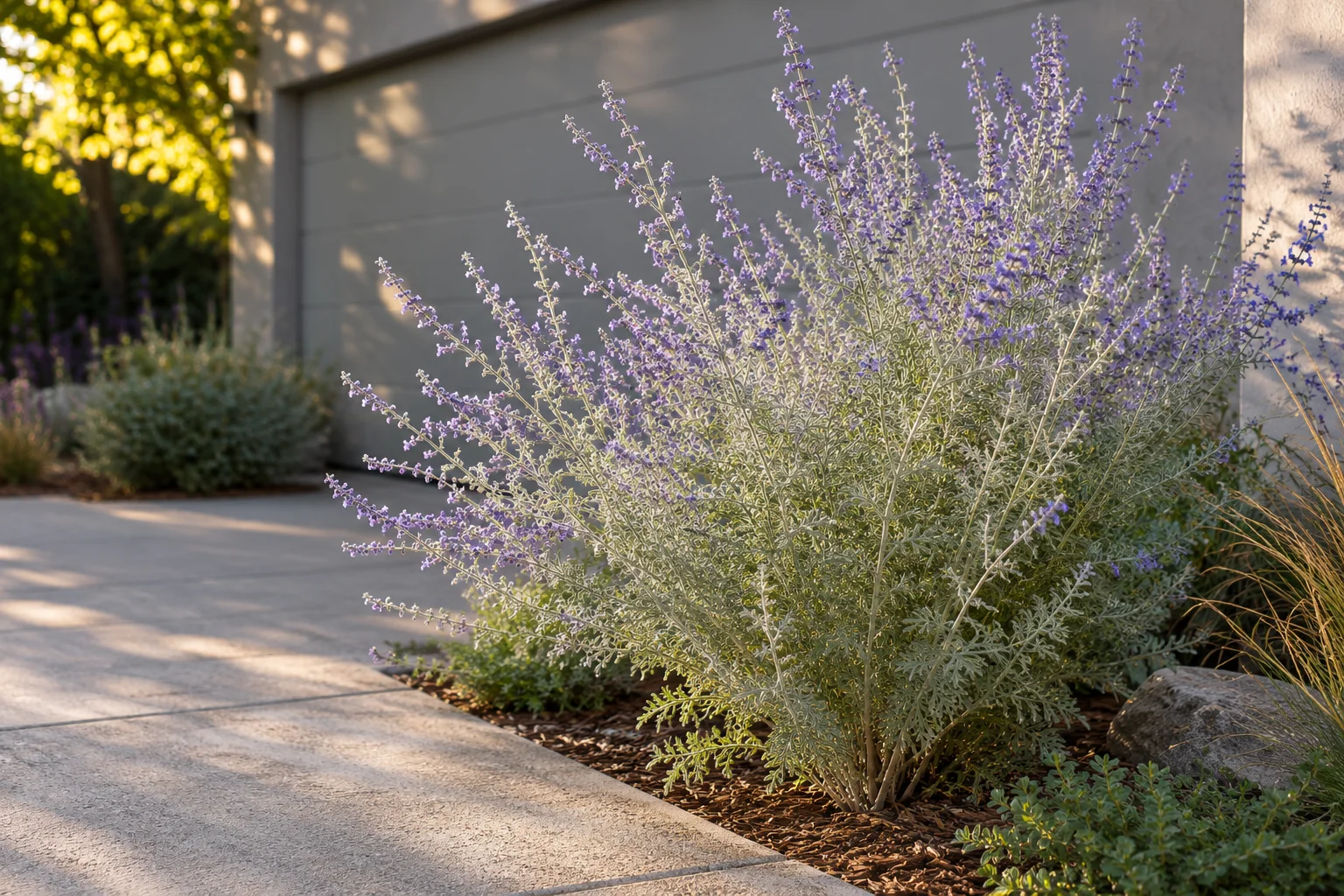
Russian sage is the haze of violet-blue you see along hot driveways through summer and into fall, and the pungent leaves put it squarely in the aromatic group. You may still find it sold under its old name, Perovskia atriplicifolia.
- Bloom: summer into fall, depending on climate; zones 5 to 9; 2 to 4 feet tall and wide, so give it room.
- Soil: well-drained, even poor; it sulks in wet ground and flops in shade or rich soil.
- Winter: leave the stems up for structure and cut back to about a foot in early spring.
- Skip it if: the bed is under 3 feet deep or gets less than six hours of sun.
4. Herbaceous Peony (Paeonia)
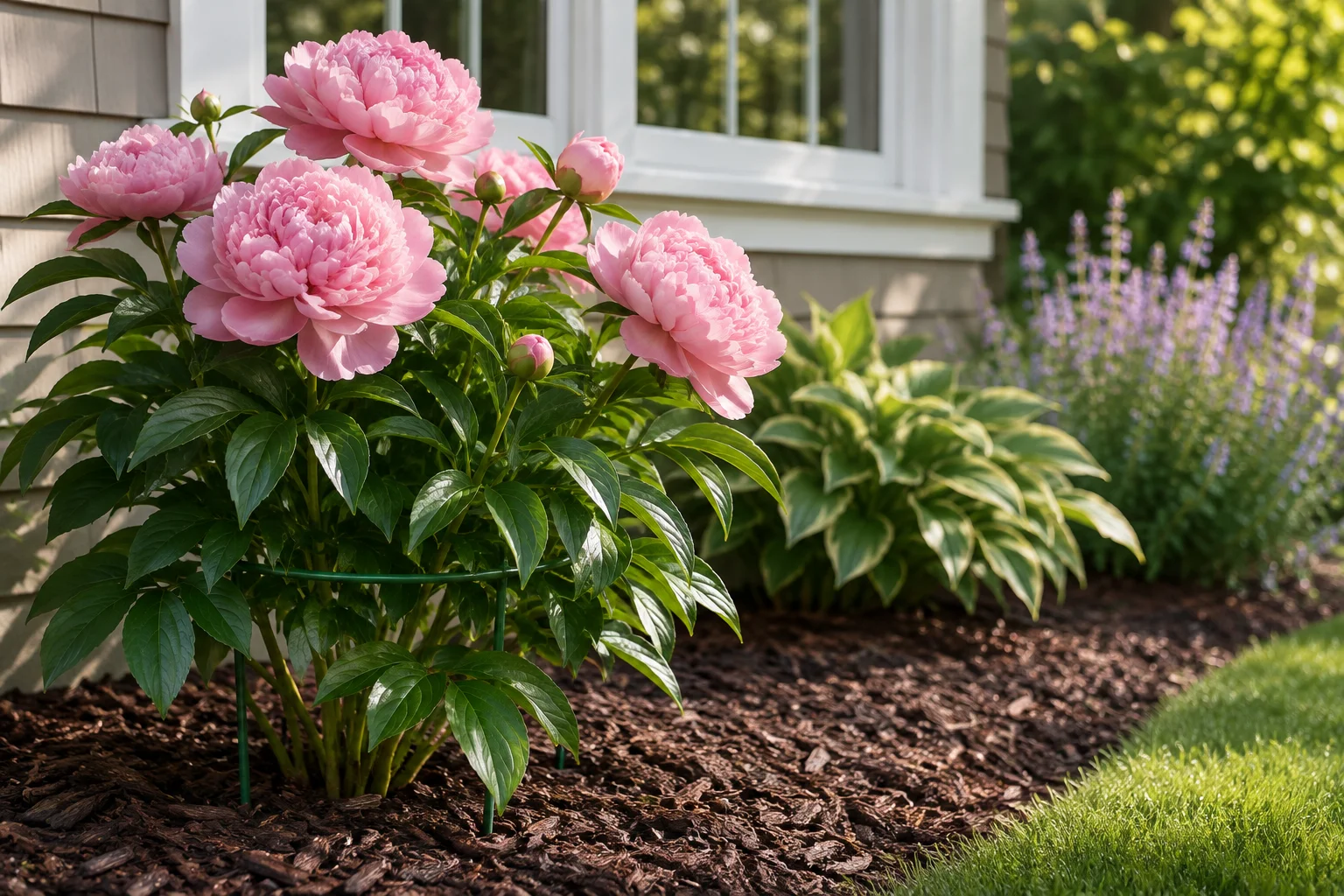
Peonies are the long-term tenants of a front yard: slow to settle, then capable of flowering in one spot for decades. Each plant gives roughly two weeks of large blooms in late spring or early summer, followed by foliage through the growing season. Rutgers rates the genus A but notes that deer may still eat the buds.
- Zones and size: 3 to 8, best in 5 to 7; 1 to 3 feet; full sun to part shade, with less bloom in shade.
- Planting: use fertile, well-drained soil and follow the nursery’s crown-depth instructions. Allow good air circulation and room for the clump to mature; heavy double flowers may need support.
- Pets: vomiting and diarrhea are the usual signs if a dog or cat eats it (paeonol).
- Skip it if: you need flowers all summer or garden in a warm climate that does not meet the cultivar’s chilling requirement.
5. Bearded Iris (Iris × germanica)
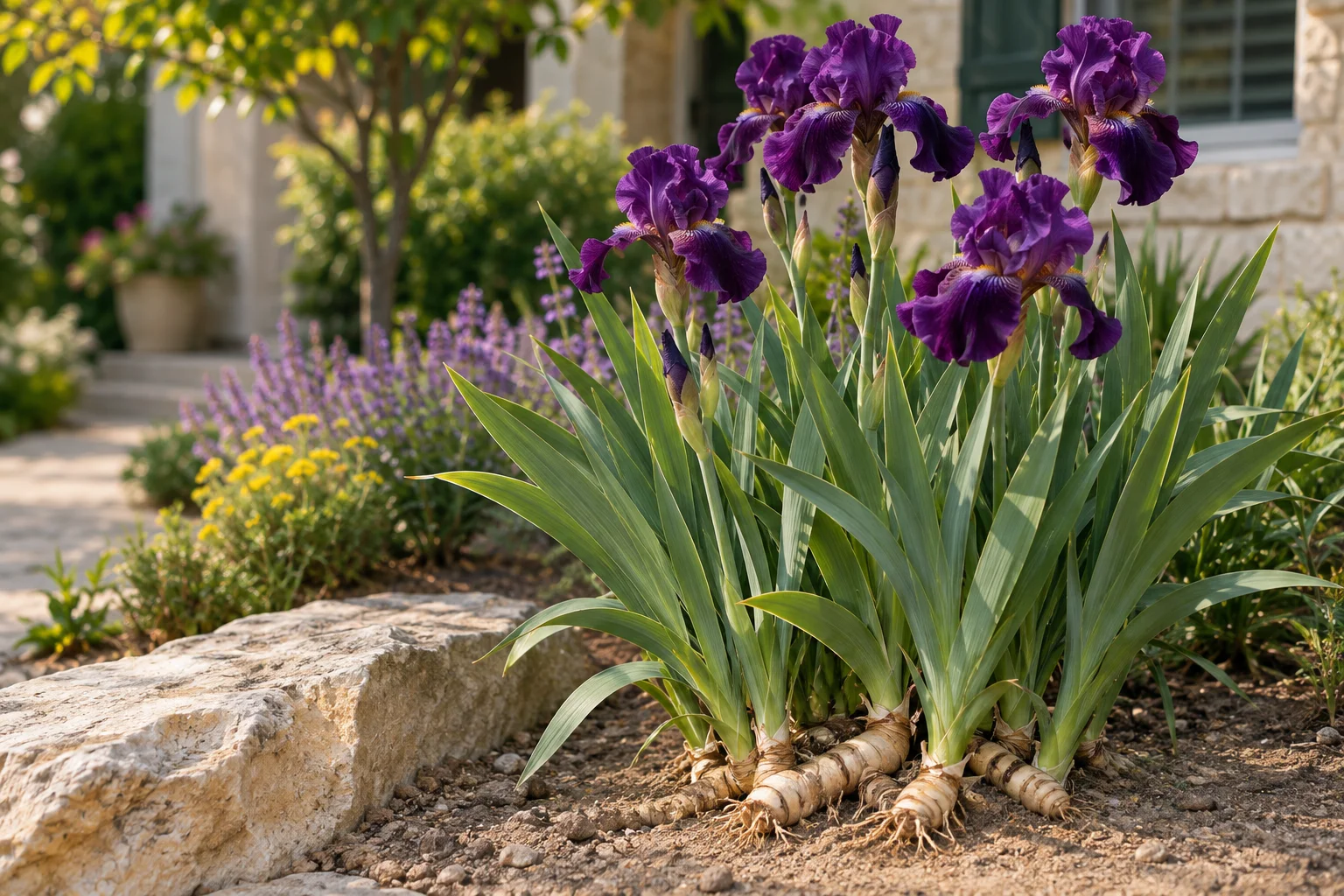
Bearded iris gives you tall, fragrant flowers for very little water, rising up to 3 feet above fans of gray-green leaves. Some cultivars rebloom in fall. Although the genus is A-rated, deer can still take the flower buds.
- Light and soil: full sun and drier, well-drained soil; it struggles in heavy clay, and mulch over the rhizome or overwatering leads to rot.
- Planting: keep the rhizome at or close to the surface as your local growing guide directs; divide crowded clumps after flowering, usually in late summer.
- Pets: toxic to dogs and cats, strongest in the rhizomes, which is the part a digging dog finds.
- Skip it if: the bed stays wet or your dog digs.
6. Lamb’s Ear (Stachys byzantina)
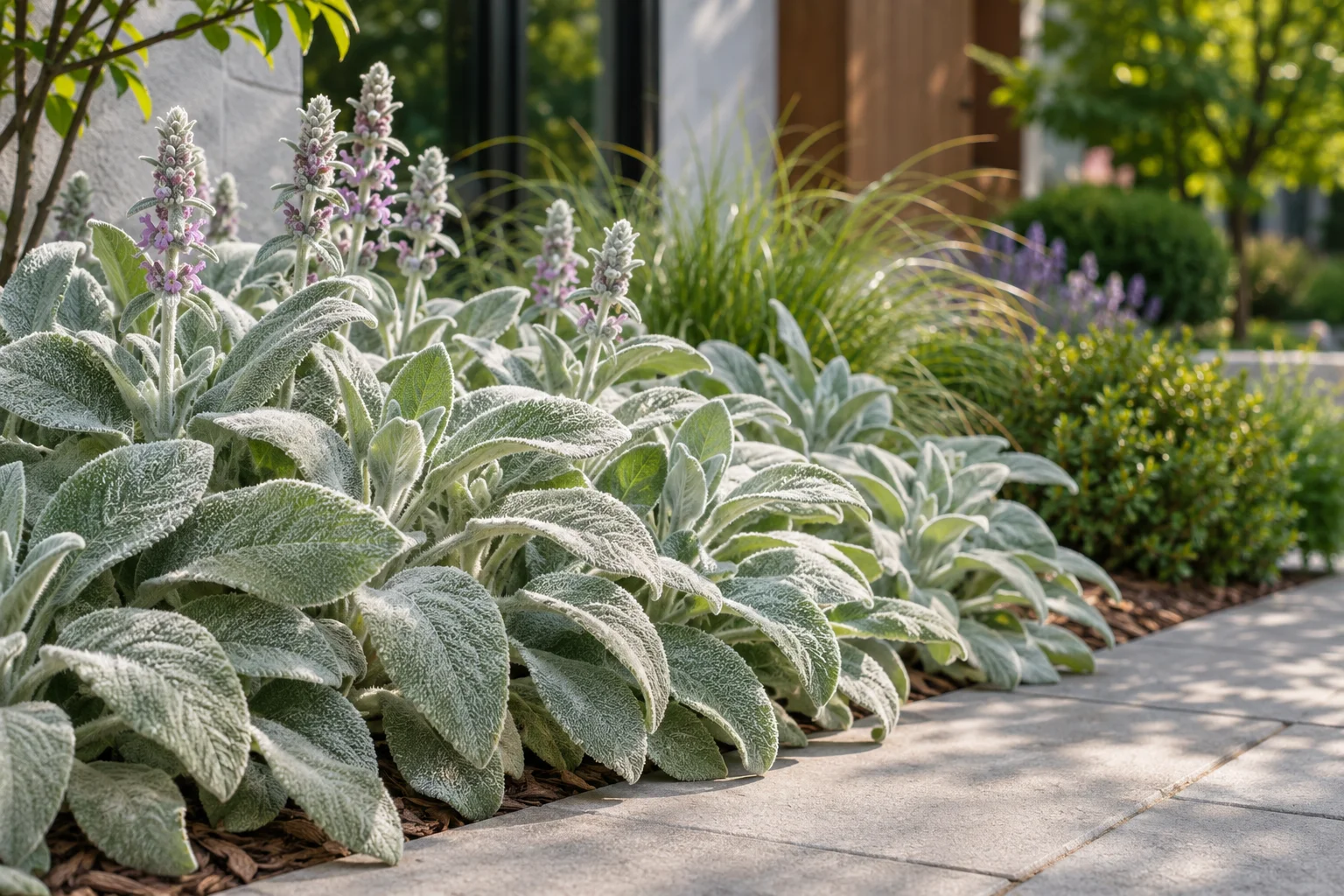
Lamb’s ear is grown for its leaves, thick silver felt that often discourages deer, and it’s the textbook example of the fuzzy-texture group. It makes a 12 to 18 inch edging that reads as a pale ribbon from the street.
- Light and soil: full sun to part shade in dry to medium, very well-drained soil; zones 4 to 9; moderately drought tolerant once established.
- Care: water at the base, since wet leaves invite disease; snip the summer flower spikes if you prefer the foliage.
- Skip it if: your summers are wet and humid, where crown rot can develop, or you want flowers rather than leaves.
7. Threadleaf Coreopsis (Coreopsis verticillata)
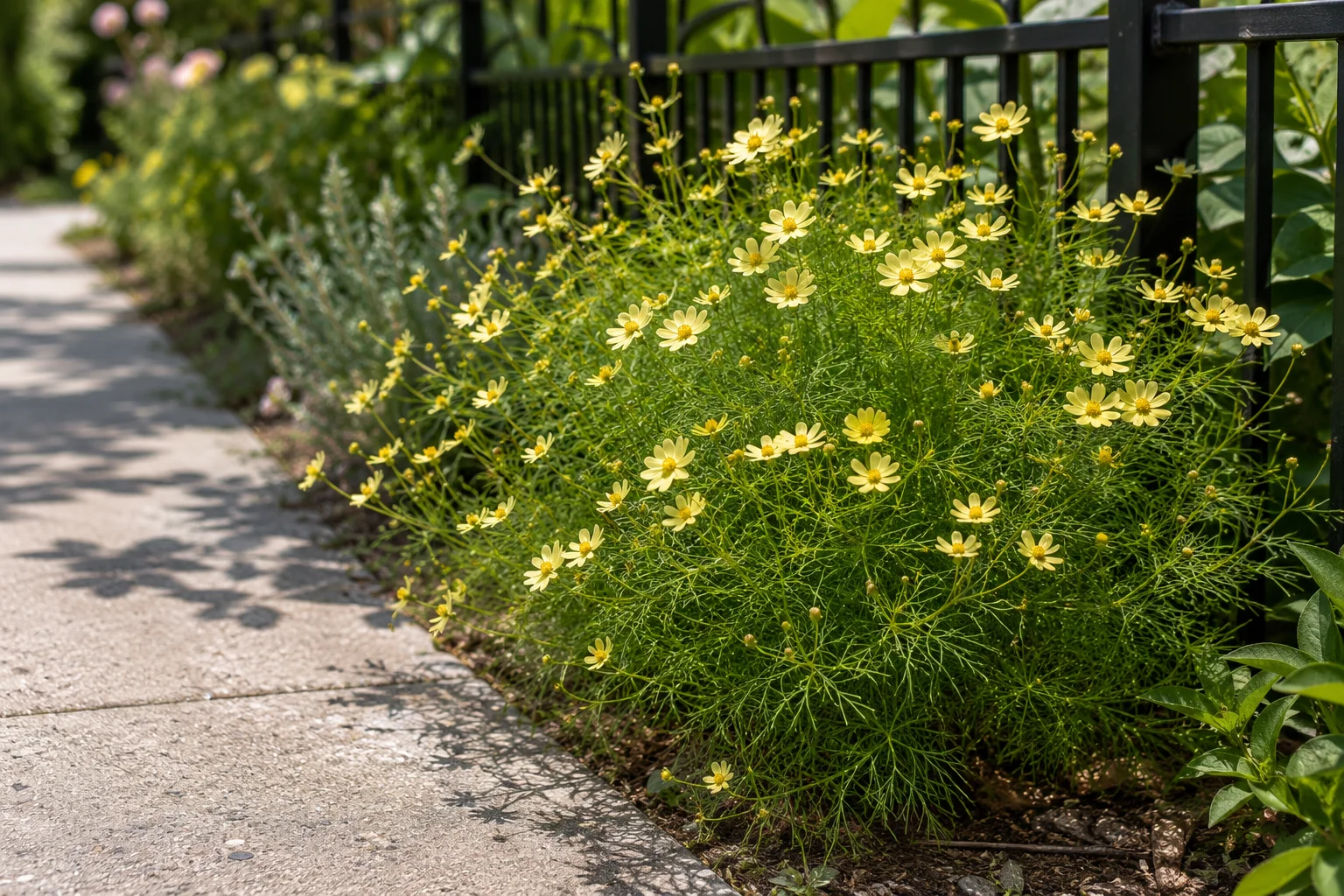
Threadleaf coreopsis combines a strong deer rating with an explicit ASPCA non-toxic listing for Coreopsis. Fine foliage carries small yellow daisies in late spring and summer, especially in sunny, lean soil. NC State now lists it as Anacis verticillata; nurseries and Rutgers commonly use Coreopsis verticillata.
- Zones and size: 3 to 9; 2.5 to 3 feet tall, with cultivars like ‘Moonbeam’ staying lower; full sun to part shade.
- Soil: lean and dry suits it; rich or moist soil makes the stems weak and floppy.
- Skip it if: your only spot is a rich, heavily irrigated bed. Shearing after the first bloom can encourage another flush, but flowering length varies by cultivar.
8. Common Yarrow (Achillea millefolium)
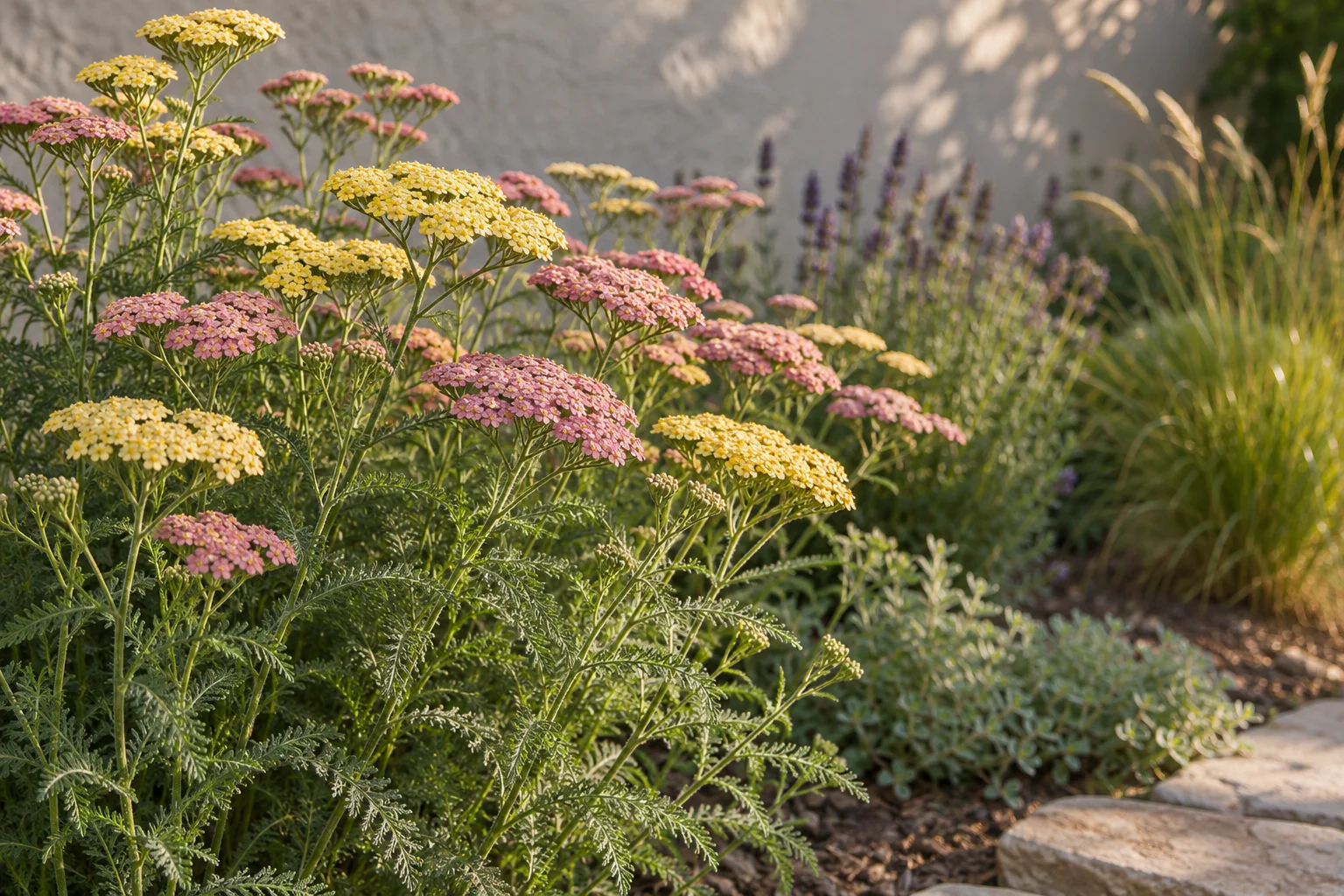
Yarrow brings the flat flower heads butterflies land on, in white, yellow, pink or terracotta by cultivar, and shrugs off drought, heat and poor soil. Its B rating allows for some damage, especially where deer pressure is high.
- Bloom and size: summer into early fall; 1 to 3 feet tall and wide; zones 3 to 9; full sun only.
- Habit: it spreads and can turn weedy in open soil, so give it a defined bed or an edging.
- Pets and skin: it upsets dogs and cats that eat it, and the leaves can irritate skin, so wear gloves to cut it.
- Skip it if: the bed is small and tidy or a pet uses it.
9. Purple Coneflower (Echinacea purpurea)
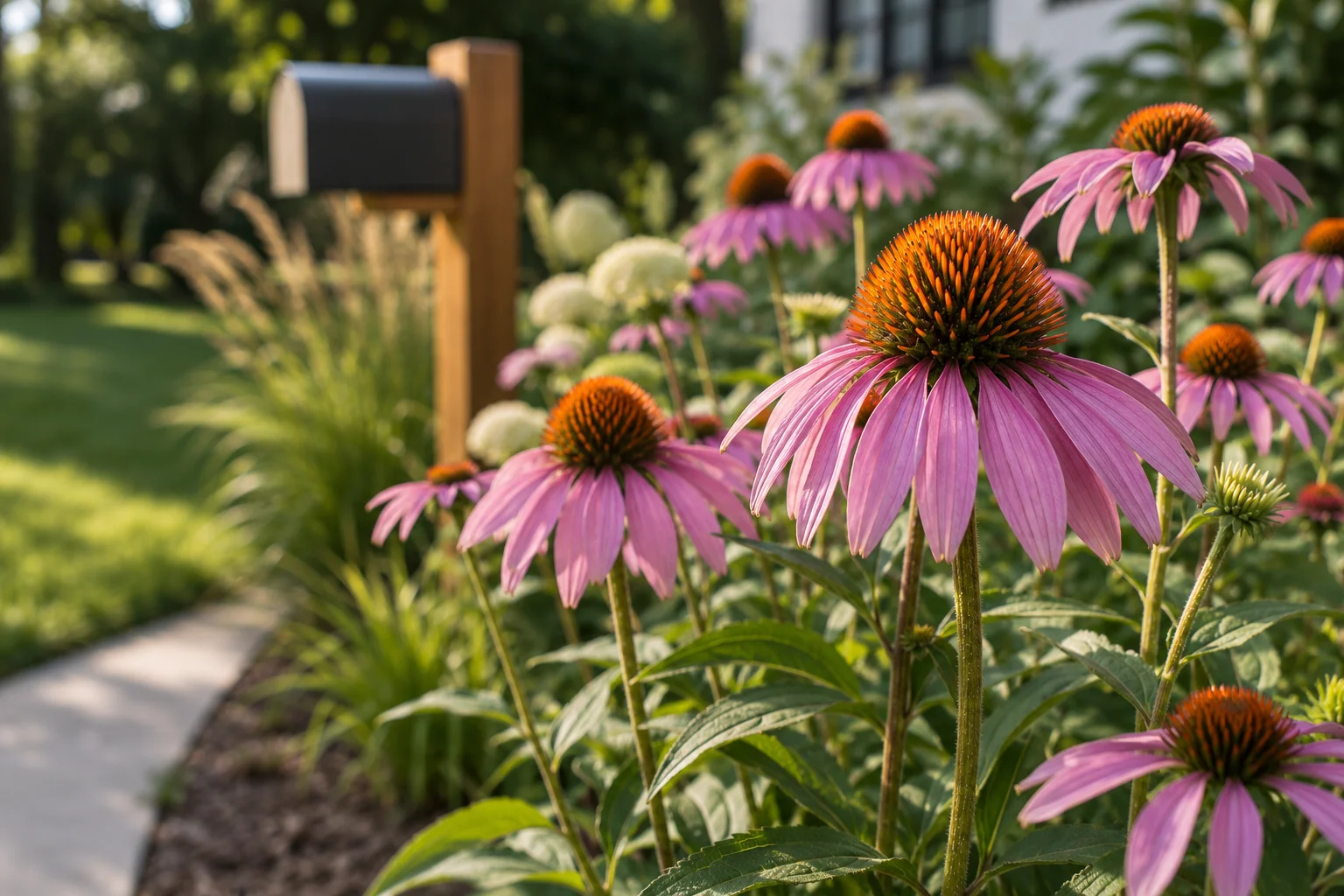
Coneflower carries pink-purple daisies above sturdy stems through summer, sometimes extending into fall. Leave some seed heads standing for birds. Its B rating makes it a reasonable choice where browsing is occasional, with protection where deer repeatedly target new shoots or buds.
- Zones and light: 3 to 8; full sun to part shade; drought tolerant once established in moist, well-drained loam.
- Rating: B; observe local browsing and add a barrier if shoots or flower buds disappear. Distance from the sidewalk is not reliable protection.
- Skip it if: you want it in a pot under 12 inches wide or your deer pressure is heavy.
10. Black-Eyed Susan (Rudbeckia fulgida)
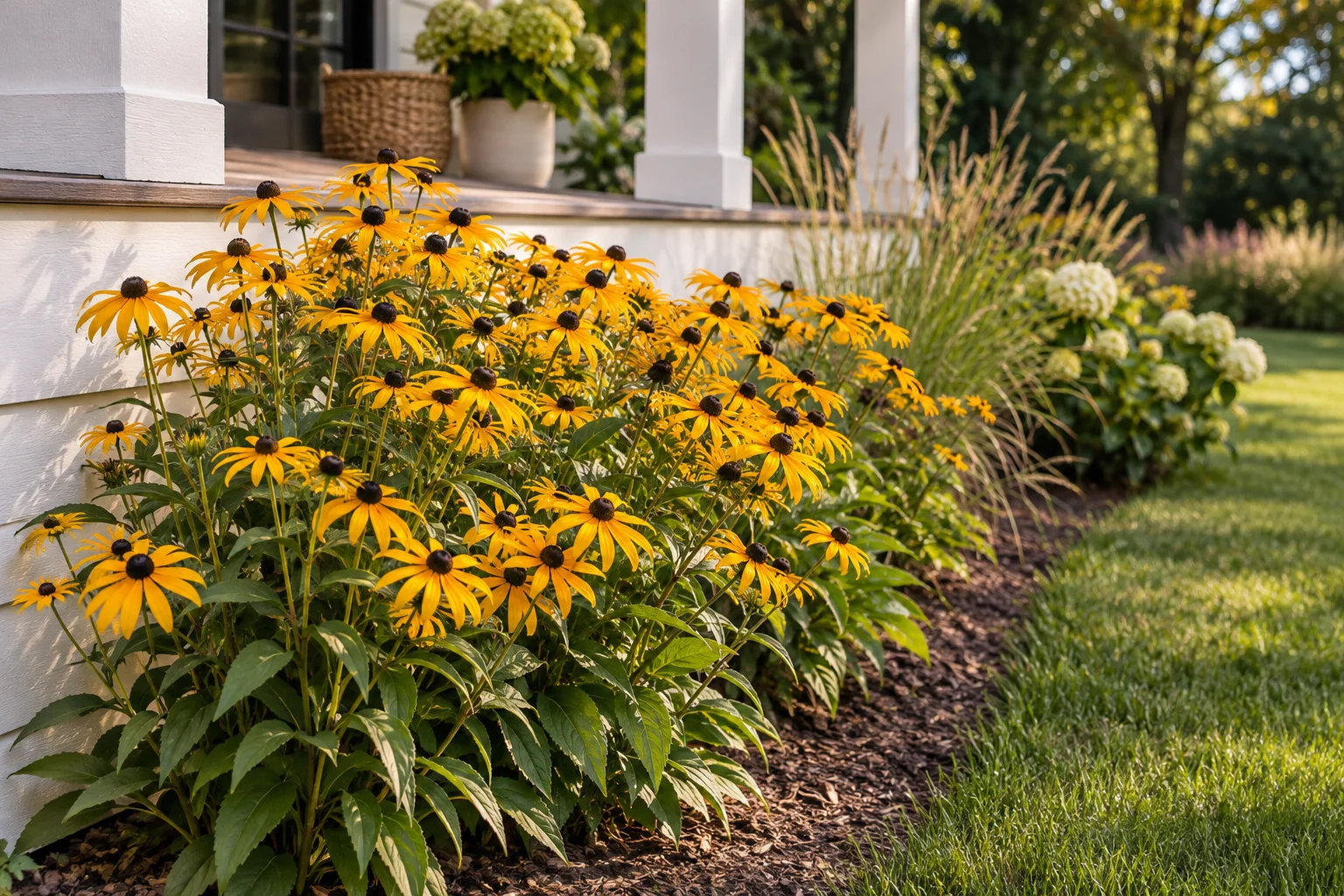
Black-eyed Susan is the gold that carries a front yard from summer into fall, and it tolerates nearly any soil that isn’t soggy. It is occasionally damaged by deer but moderately resistant, which matches its B rating.
- Zones and size: 3 to 9; 2 to 3 feet tall; full sun, with some tolerance for part shade.
- Care: drought tolerant once established; cut the seed heads in late winter if you don’t want volunteers.
- Skip it if: deer visit nightly; pick an A-rated gold like coreopsis instead.
11. Bee Balm (Monarda didyma)
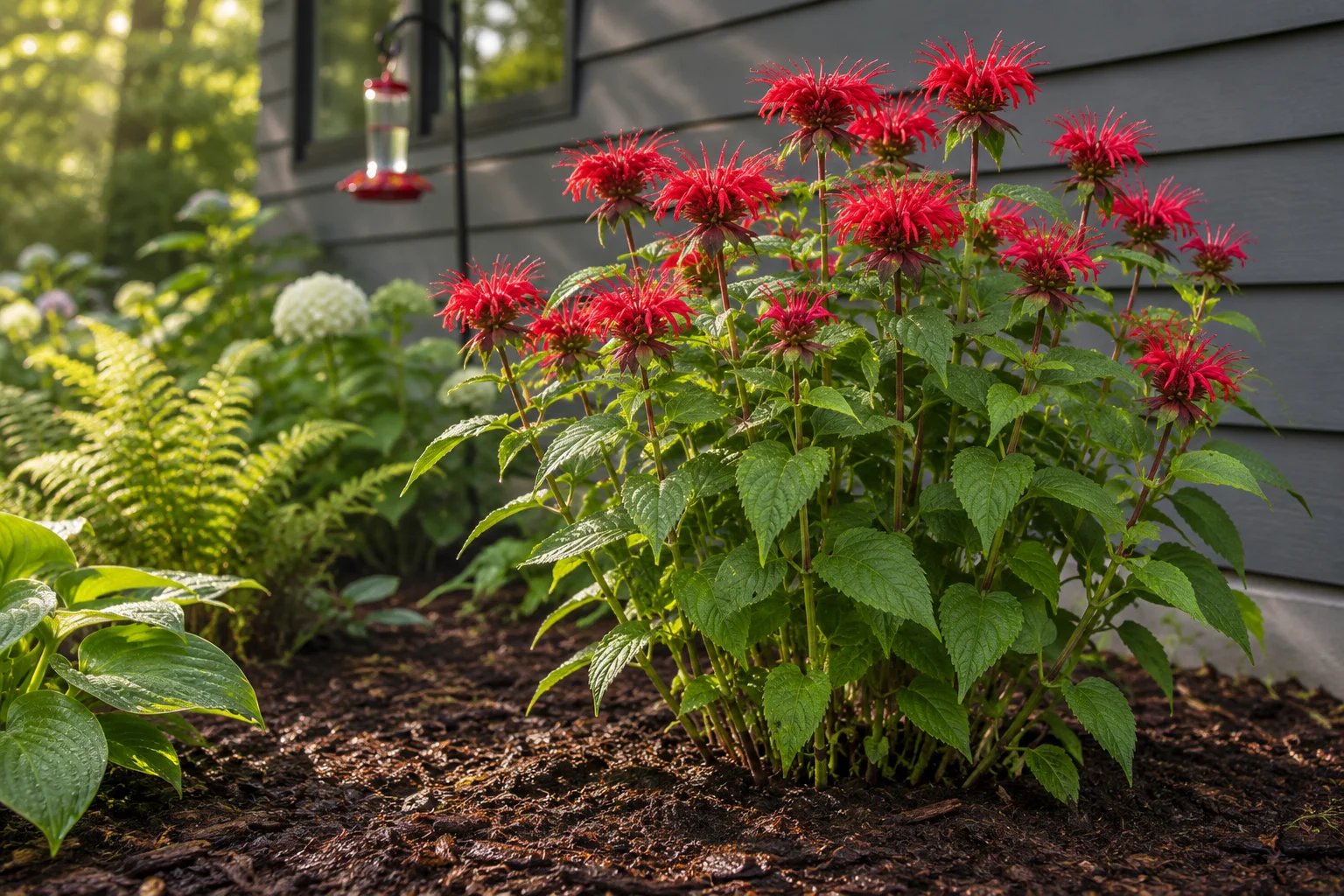
Bee balm brings hummingbirds to the window and a minty scent to the bed, and the leaves and flowers are the Oswego tea of its other common name. It is a useful pollinator plant with a B deer rating, so protect young growth if browsing is frequent.
- Bloom and size: summer into early fall; 2 to 4 feet tall; zones 4 to 9; full sun with some shade tolerated.
- Soil: moist, well-drained; it also tolerates wet soil and clay, which few others here do.
- Care: thin the clump every few years so air moves through it and powdery mildew stays down.
- Skip it if: the bed is dry, crowded or under 2 feet wide.
Deer Resistant Flowers for Shade
Shade choices need enough light to flower and the right soil moisture. Under a tree, competing roots can leave soil much drier than it looks; astilbe is a poor choice there unless you can water.
12. Bleeding Heart (Lamprocapnos spectabilis)
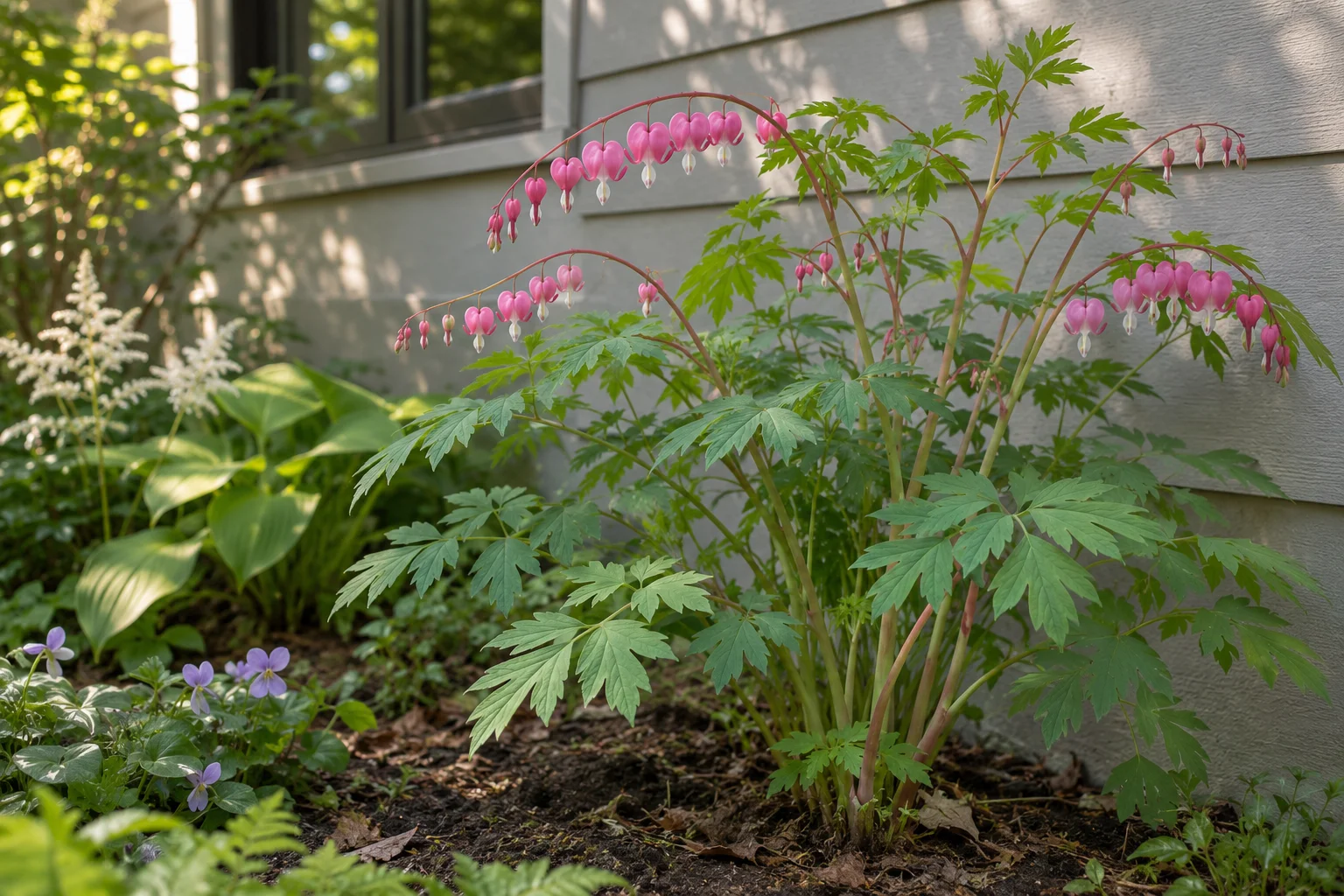
Bleeding heart opens its rows of pink lockets in spring and often goes dormant as summer heats up. Plant astilbe or coral bells nearby to soften the gap without crowding its crown. The old botanical name, Dicentra spectabilis, is the one used in the Rutgers list.
- Light and soil: morning sun with afternoon shade; moist, well-drained, neutral to alkaline soil; zones 3 to 9; 2 to 3 feet tall.
- Pets and skin: NC State flags this plant as a problem for cats and dogs. All parts contain potentially harmful compounds, and repeated handling may irritate skin.
- Skip it if: the spot is full sun or a pet chews plants.
13. Lenten Rose (Helleborus × hybridus)
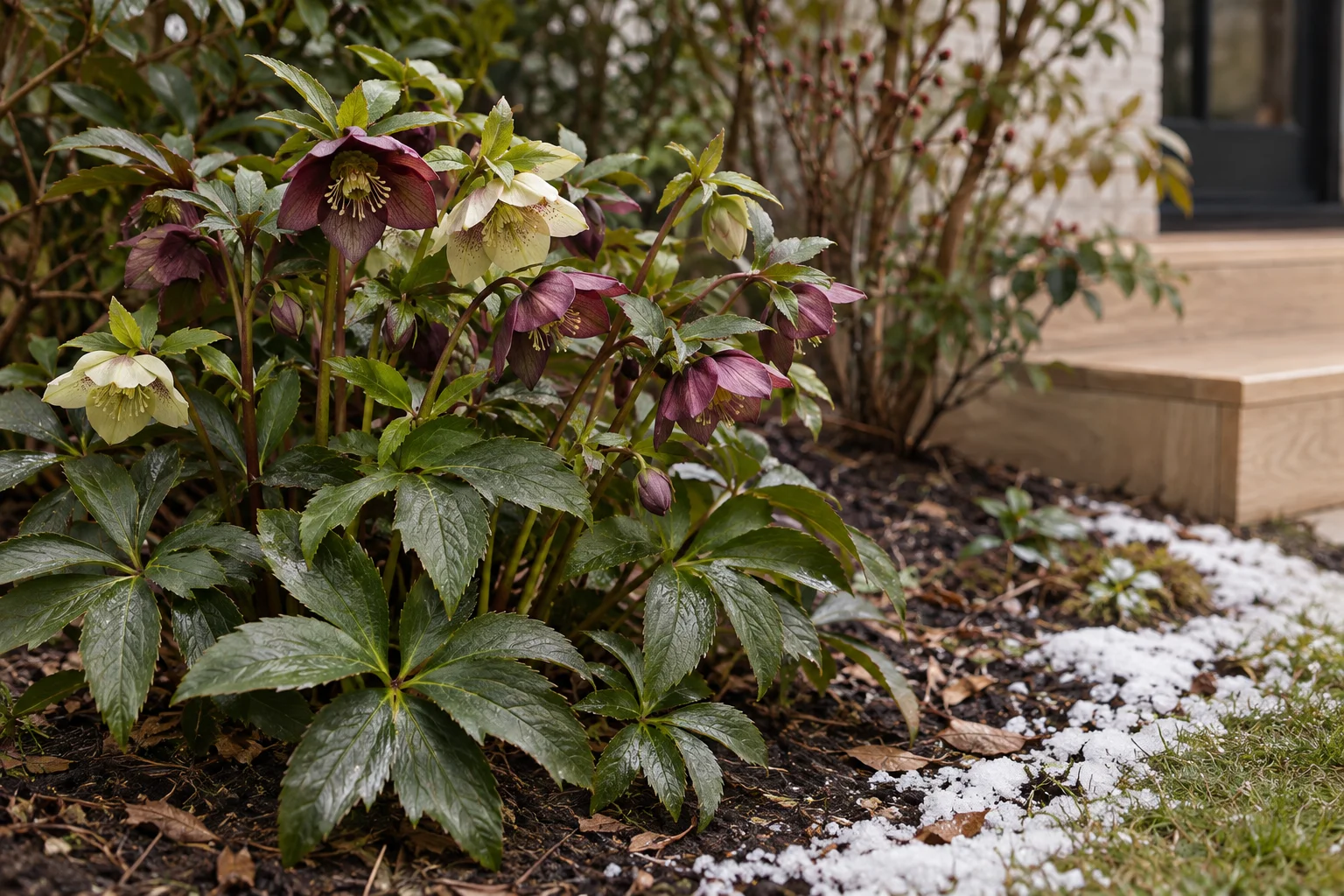
Lenten rose is among the earliest flowers of the year by the front door, nodding cups in plum, pink, cream or green in late winter over leathery evergreen leaves. It wants deep to partial shade and dislikes bright winter sun.
- Size and soil: up to 2 feet tall and 30 inches wide; zones 4 to 9; rich, well-drained, neutral to alkaline soil with compost, kept evenly moist but never soggy.
- Care: cut the tattered old leaves off in late winter as the flower stems rise.
- Household caution: this hybrid is poisonous if eaten. Keep it out of reach of children and pets; the ASPCA hellebore entry specifically names H. niger, while the linked NC State profile covers H. × hybridus.
- Skip it if: the bed bakes in afternoon sun or you have a pet that grazes.
14. Astilbe (Astilbe × arendsii)
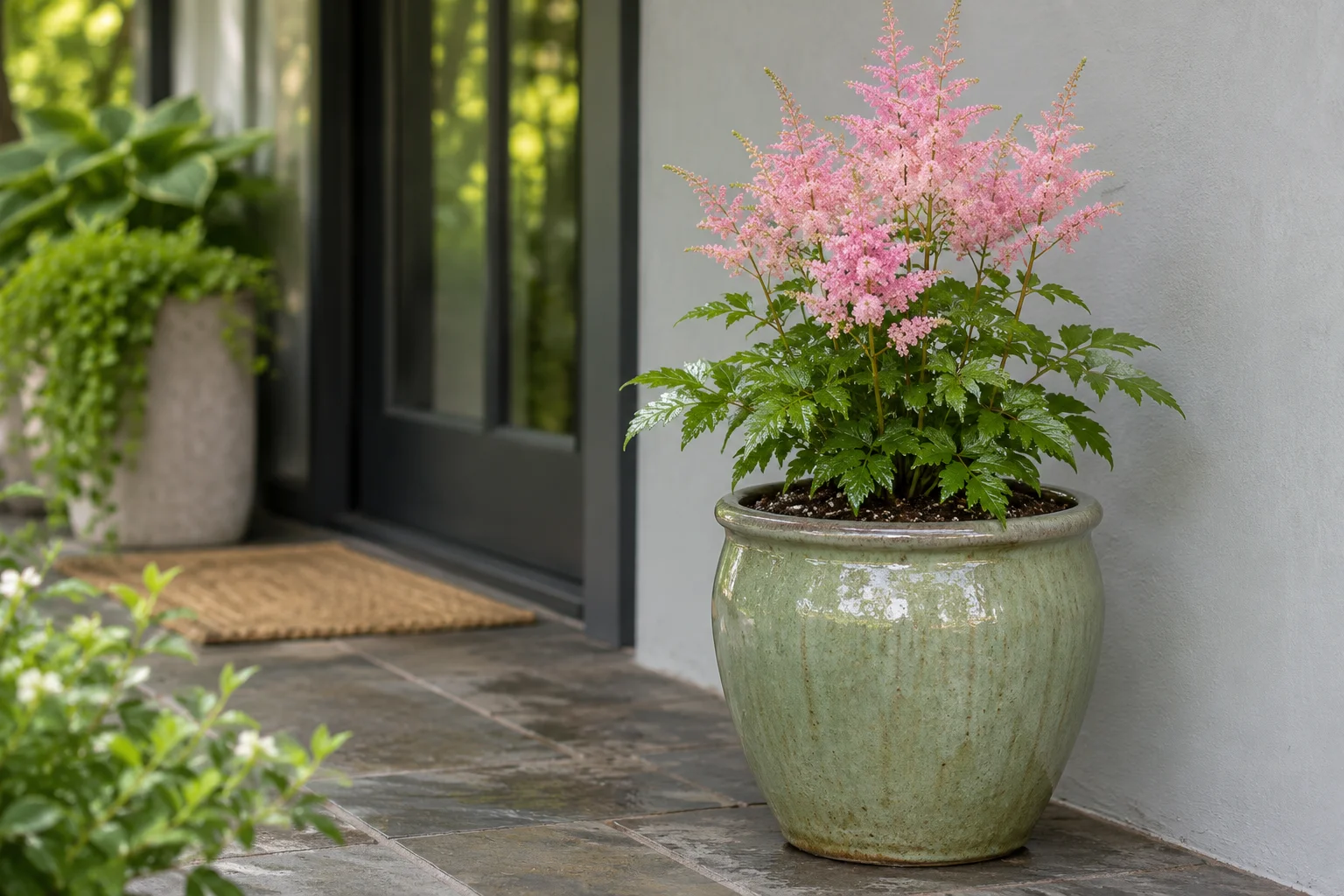
Astilbe is the feathery plume in pink, red, white or lavender that lights up a shady porch from late spring into summer by variety, and it will sit in a big pot by the door. The one thing it cannot do is go dry.
- Zones and size: 3 to 9; many hybrids reach 24 to 36 inches, though cultivars vary more widely; part shade or shade is usually easiest to manage.
- Soil: organically rich and well-drained but never dry; it also takes occasionally wet ground.
- Skip it if: the spot is dry shade under a roof overhang, where the leaves crisp by July.
15. Coral Bells (Heuchera)
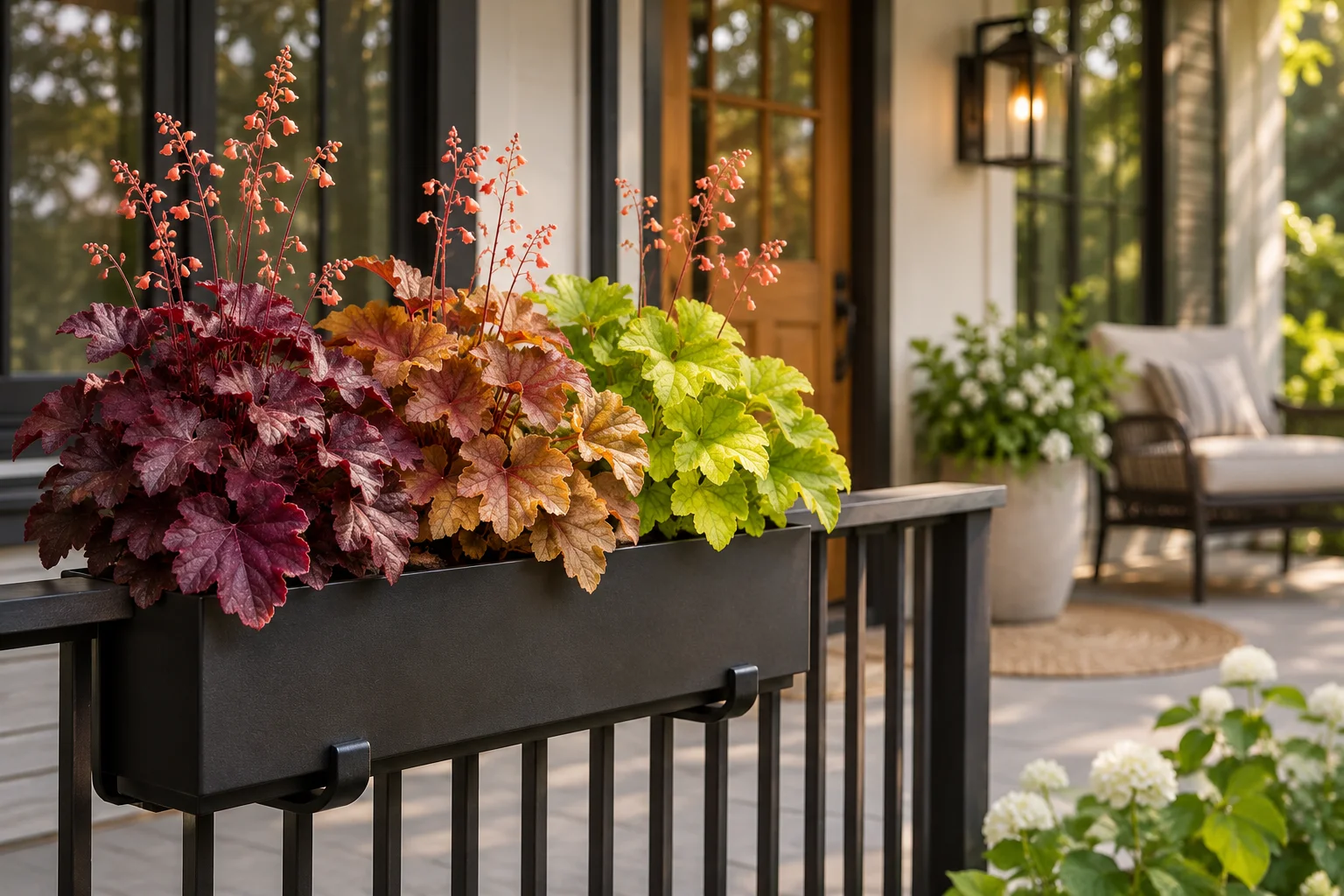
Coral bells bring ruffled leaves in burgundy, caramel, silver or lime to a railing box or shaded bed, with thin wands of small flowers. They are B-rated for deer. The ASPCA non-toxic entry specifically covers Heuchera sanguinea; do not assume that the common name on an unidentified hybrid proves an exact species match.
- Zones and size: commonly 3 to 9, with a 6 to 20 inch foliage mound; flower stems may rise higher. Sun tolerance varies by species and cultivar, so follow the nursery label.
- Soil: moist, well-drained, slightly acidic with organic matter; it dislikes heavy clay, which is another reason pots suit it.
- Skip it if: you garden in unamended clay and don’t want to use containers.
16. Common Foxglove (Digitalis purpurea)
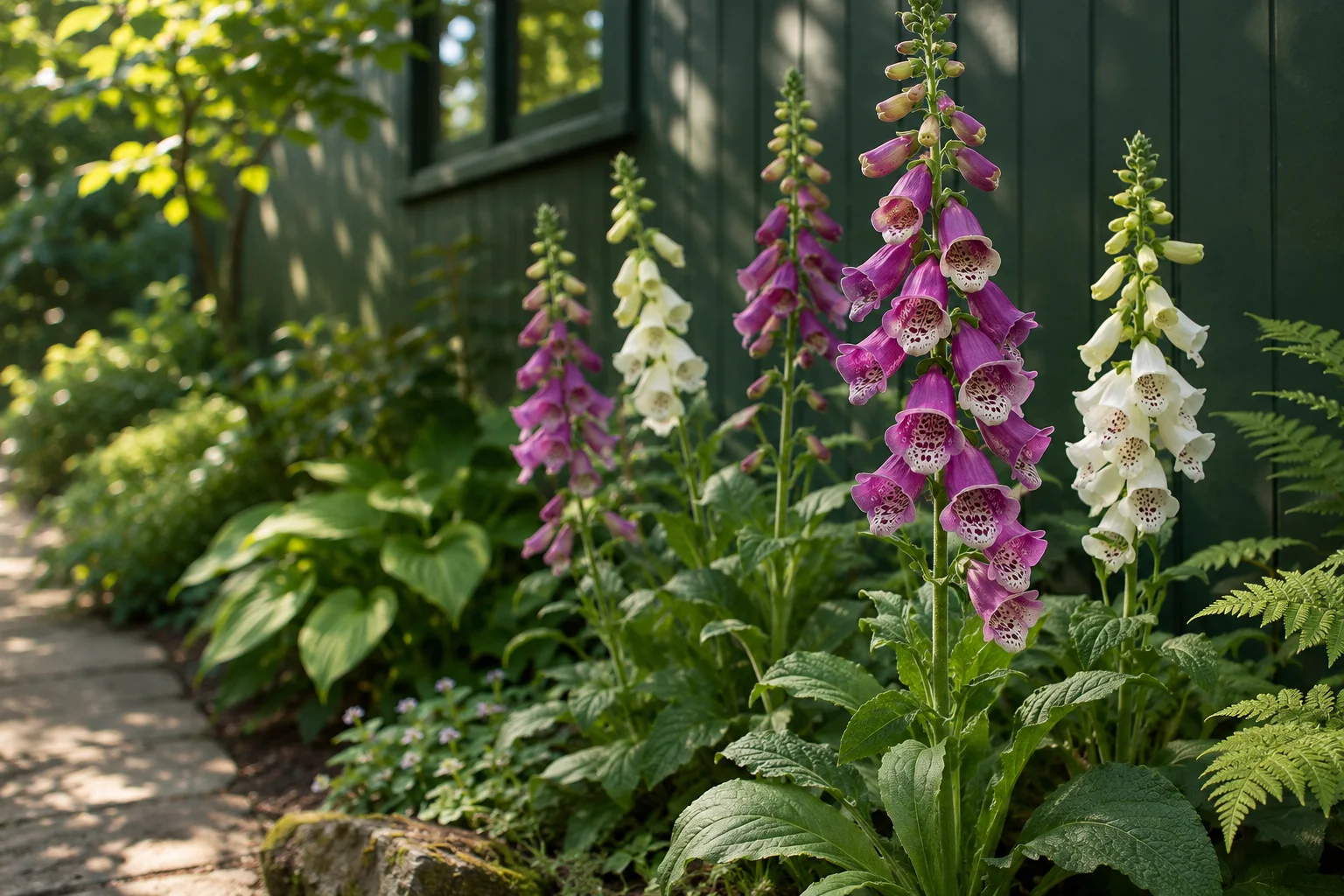
Foxglove gives a cottage border tall spires of tubular flowers in late spring and summer. Its cardiac glycosides make it highly poisonous if eaten; NC State flags it for people, pets and livestock. Choose another flower where children or animals may chew plants.
- Habit: usually a biennial or short-lived perennial, often flowering in its second year; some cultivars flower the first year. It reaches 2 to 5 feet in zones 4 to 9. Give it afternoon shade in hot areas.
- Soil: organically rich, moist but well-drained soil. Avoid both prolonged drought and waterlogging.
- Skip it if: small children or pets use the yard.
Deer Resistant Annual Flowers for Pots and Borders
These plants are commonly grown as annuals. Zinnias, French marigolds and ageratum need frost-free conditions; snapdragons and sweet alyssum perform best in cooler weather, with planting dates depending on your climate.
17. Snapdragon (Antirrhinum majus)
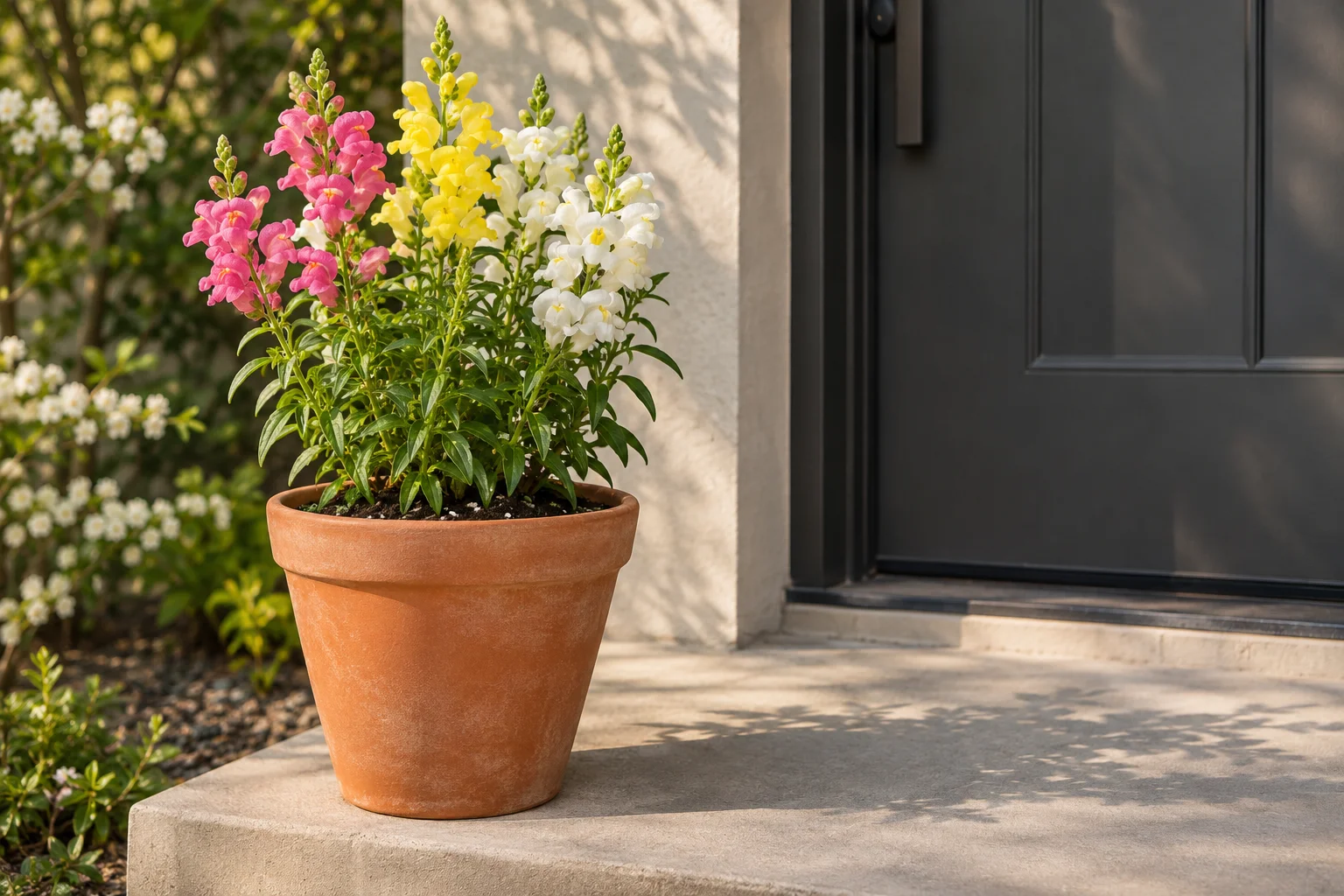
Snapdragons are the cool-season choice: spikes of pink, yellow, orange or white at their best in spring and often again in fall. They are A-rated for deer, and the ASPCA lists Antirrhinum majus as non-toxic to cats and dogs. Choose dwarf varieties for small pots and tall varieties for cutting.
- Size and light: 6 inches to 3 feet by cultivar; full sun to part shade; a good container plant.
- Water: moist, rich, well-drained soil, and water at the base rather than over the leaves.
- Heat: it languishes in summer; shear it back and it often returns when nights cool.
- Skip it if: you want one planting to last from May to October in a hot climate.
18. Sweet Alyssum (Lobularia maritima)
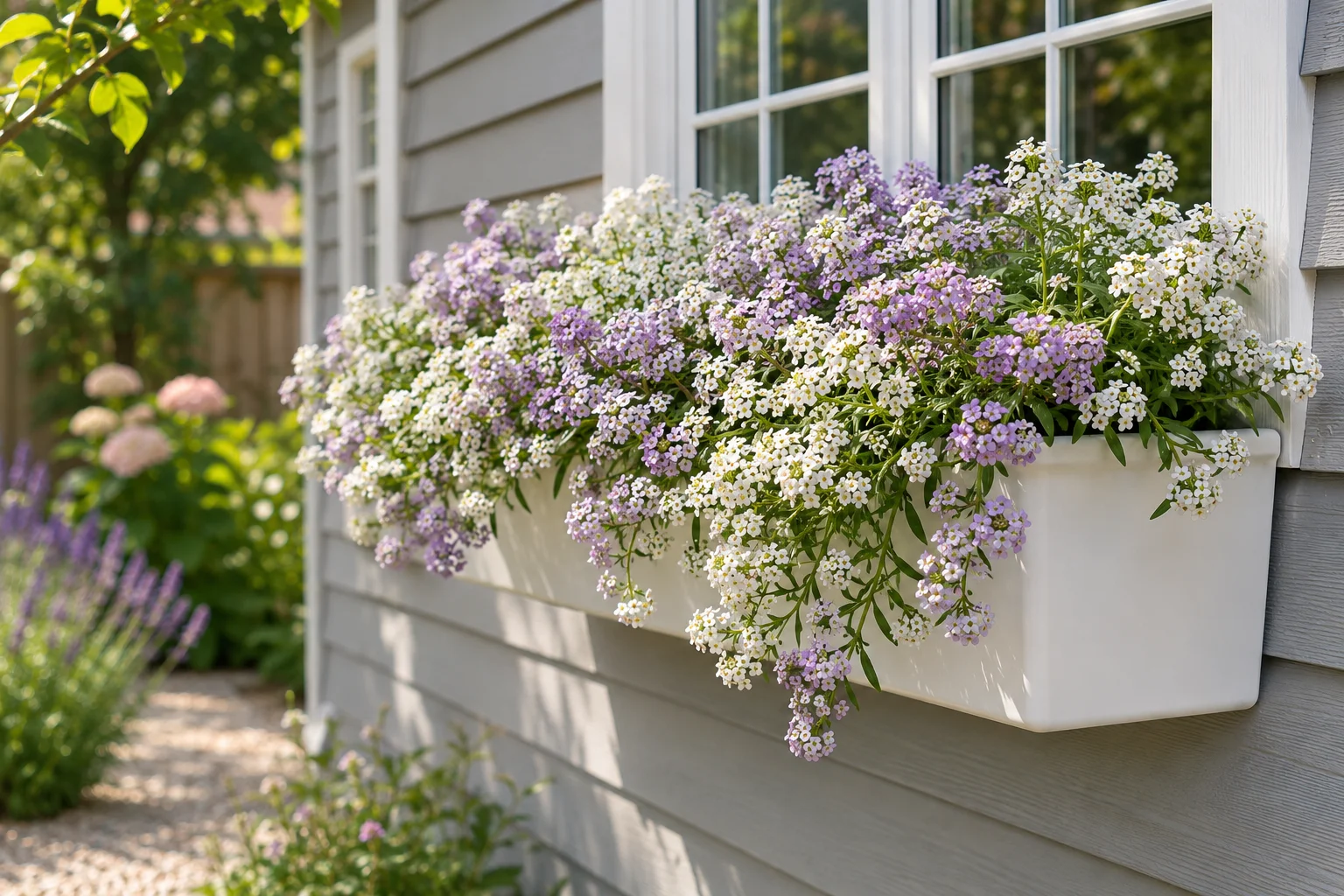
Sweet alyssum is the honey-scented froth that spills over a window box, 3 to 10 inches tall and wider than it is high. Its A rating makes it a useful edging choice, though it will not prevent deer reaching more appealing plants behind it.
- Bloom: spring until frost where summers are cool; in hot summers it fades, so shear it by half and it returns for fall.
- Soil and water: use well-drained soil and check containers regularly. Established plants tolerate some dryness, but small pots still need watering as the mix dries.
- Skip it if: you need uninterrupted midsummer color in a hot climate. For pet households, verify the exact species: the ASPCA “alyssum” record names Alyssum spp., rather than explicitly naming Lobularia maritima.
19. French Marigold (Tagetes patula)
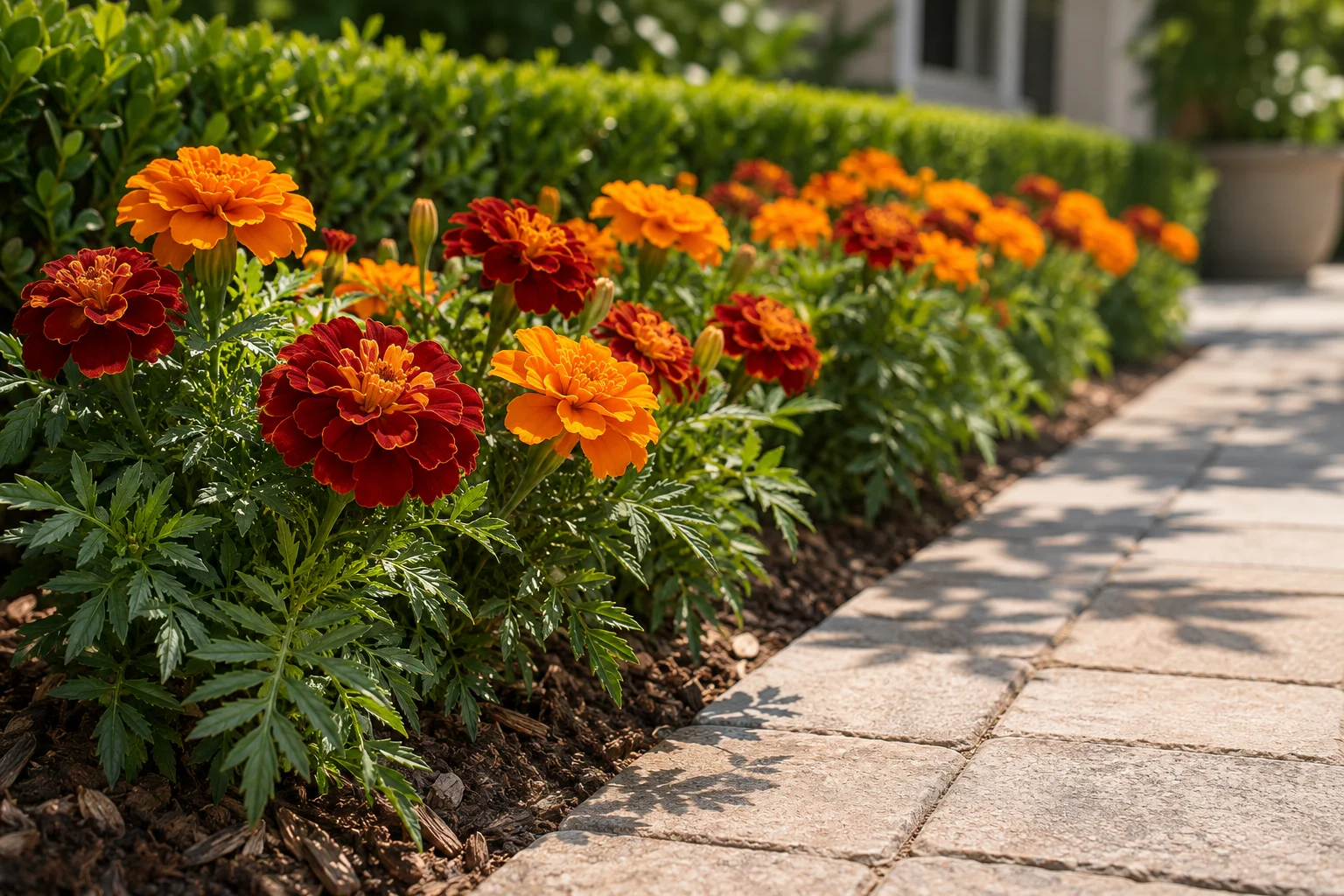
French marigold is the low, pungent edging that deer smell before they see, in orange, red and yellow from spring to frost. Its B rating means deer may browse it; a marigold edging is not a dependable barrier around other flowers.
- Size and light: 6 to 12 inches; full sun to part shade; happy in beds, pots and as an edging.
- Care: average, evenly moist, well-drained soil; deadhead to keep it blooming; drought tolerant once established.
- Handling and pets: sap can irritate skin. French marigold (Tagetes patula) is different from pot marigold (Calendula officinalis), so do not transfer a pet-safety claim between the two.
- Skip it if: you dislike the smell or won’t deadhead.
20. Zinnia (Zinnia elegans)
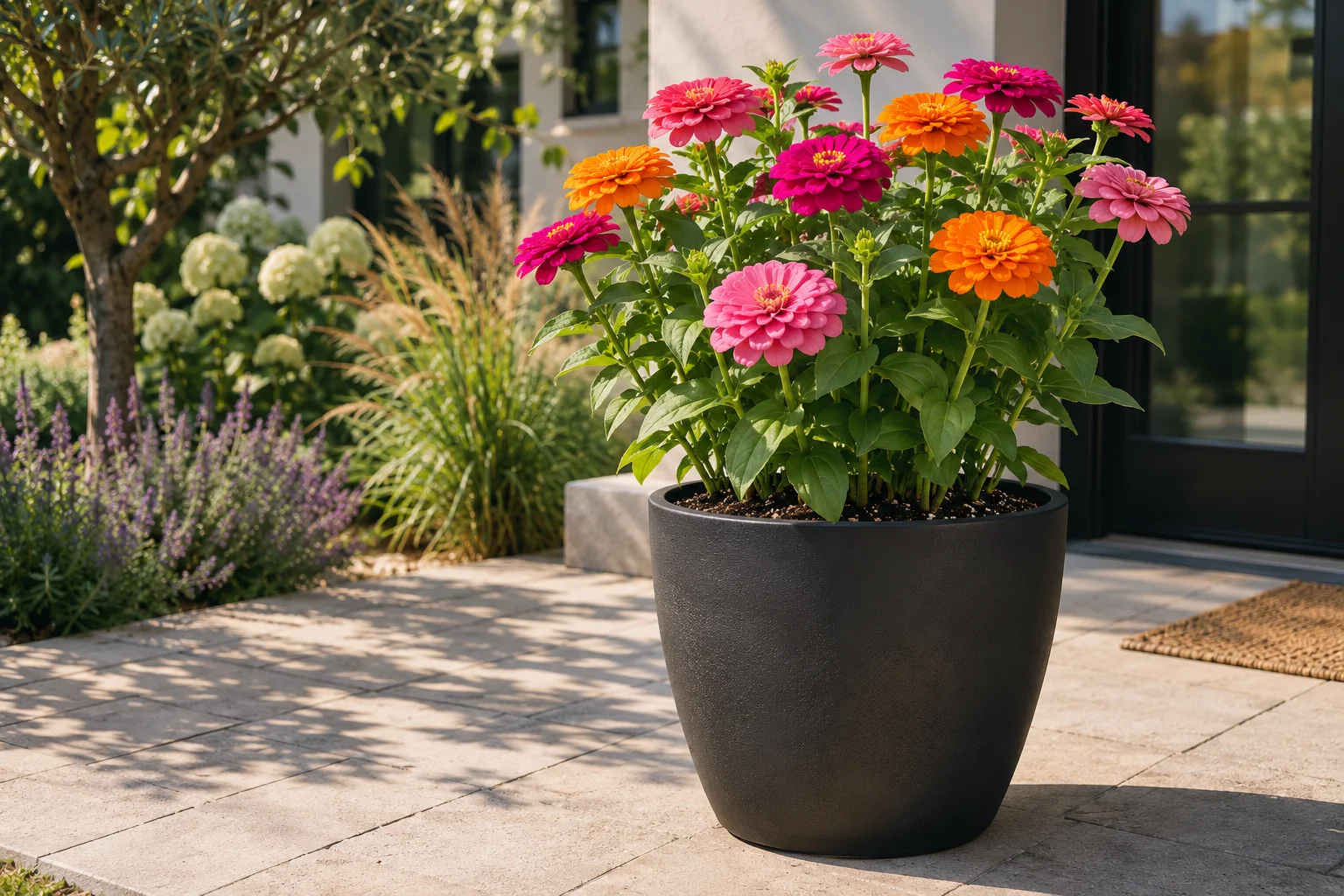
Zinnias give plenty of summer color, from dwarf plants for containers to taller cutting types. The ASPCA lists Zinnia species as non-toxic to cats and dogs. Their B deer rating still leaves room for browsing, particularly on tender new growth.
- Light and soil: full sun only; loam with organic matter and good drainage; not fussy about pH.
- Care: space them for air flow and water at the base, since powdery mildew finds crowded, wet leaves.
- Skip it if: the spot is shady or sheltered with no breeze.
21. Ageratum (Ageratum houstonianum)
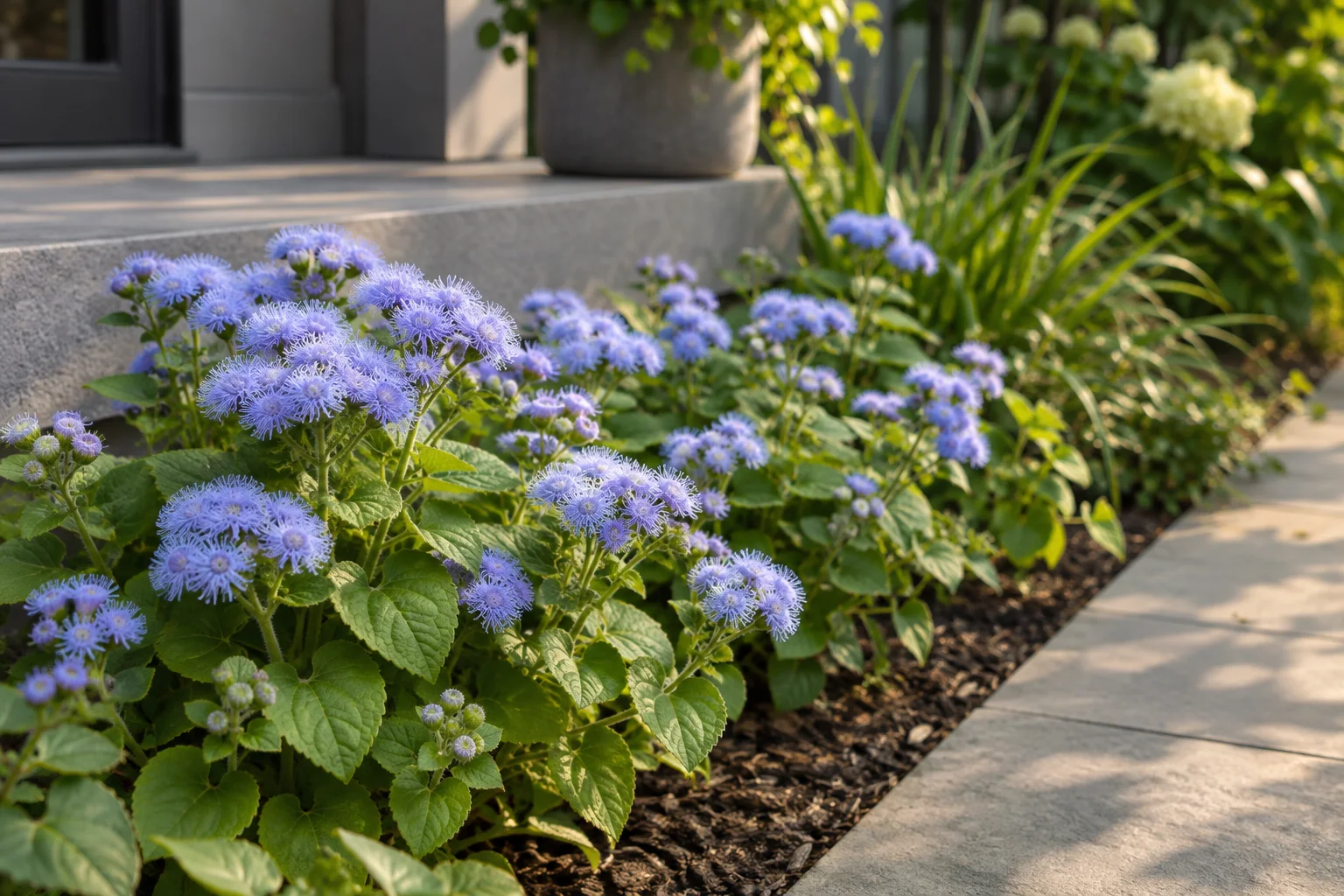
Ageratum is the fuzzy powder-blue annual that fills the front of a bed through the warm growing season, one of the few true blues sold in a six-pack, and it is seldom damaged by rabbits or deer.
- Size and light: 6 to 12 inches; full sun to part shade; fine in pots.
- Water: rich, moist, well-drained soil; only moderately drought tolerant, so it wants a drink in a dry week.
- Skip it if: you won’t water in a dry spell.
Deer Resistant Flower Bulbs
Daffodils, ornamental alliums and snowdrops offer an alternative to heavily browsed tulips. Plant hardy spring bulbs in fall at the depth specified for the species and bulb size. Keep stored bulbs away from pets and children.
22. Daffodil (Narcissus)
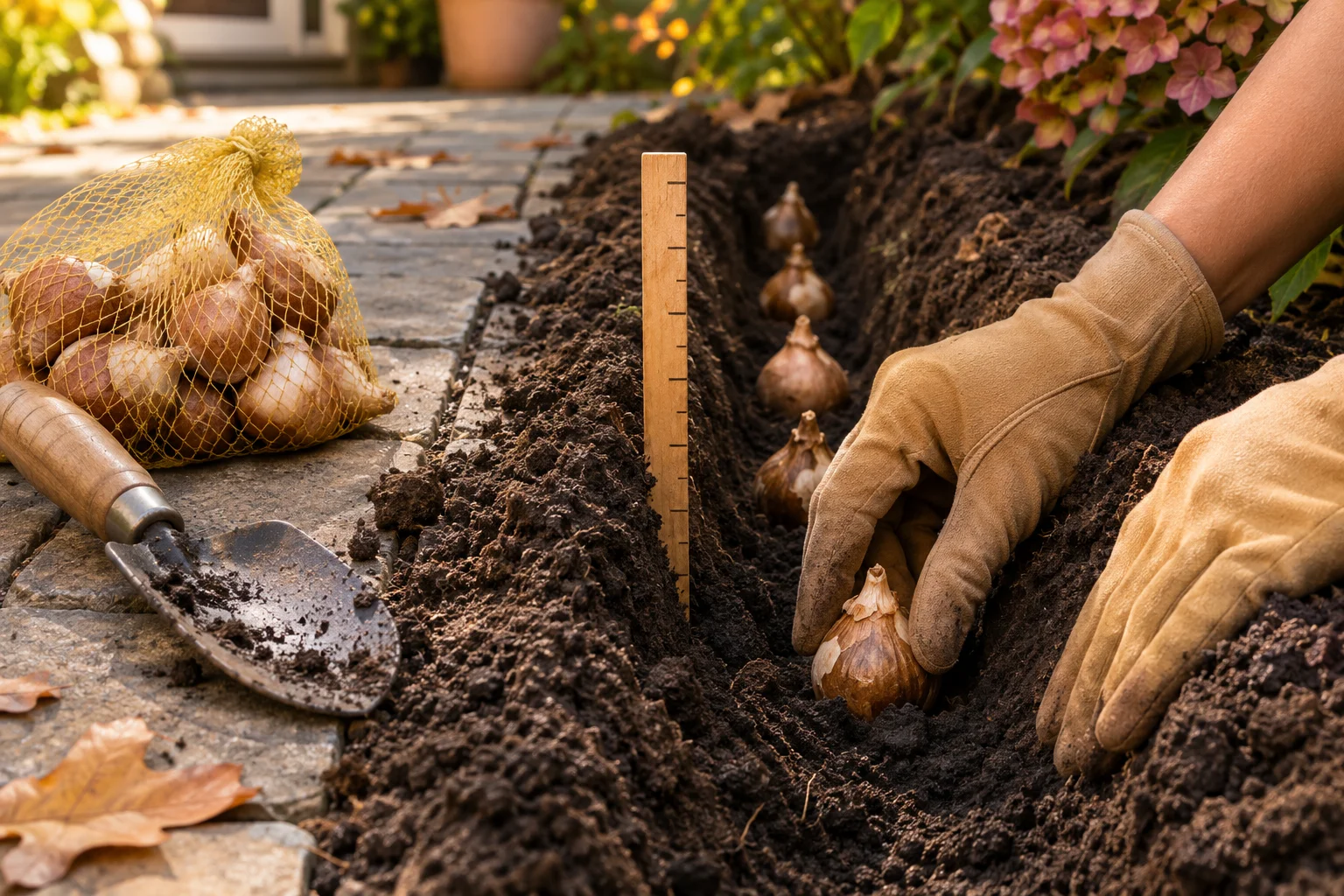
Daffodils are a dependable spring-flowering choice for gardens visited by deer. Plant them in fall for yellow, white or orange flowers from late winter into spring, depending on the cultivar and climate. Choose early, midseason and late varieties if you want a longer display.
- Light and soil: full sun to part shade, with moisture during growth and good drainage year-round; many garden types suit zones 4 to 8, but check the cultivar. Follow its packet for planting depth and spacing.
- Aftercare: leave the leaves until they yellow, since that’s next year’s bloom being made; divide clumps after the foliage dies back.
- Pets: toxic to dogs and cats (lycorine), and the bulb is the most poisonous part, so store the bag out of reach.
- Skip it if: pets dig in the planting area and you cannot exclude them. Moving a toxic bulb into a reachable pot does not remove the risk.
23. Ornamental Onion (Allium giganteum)
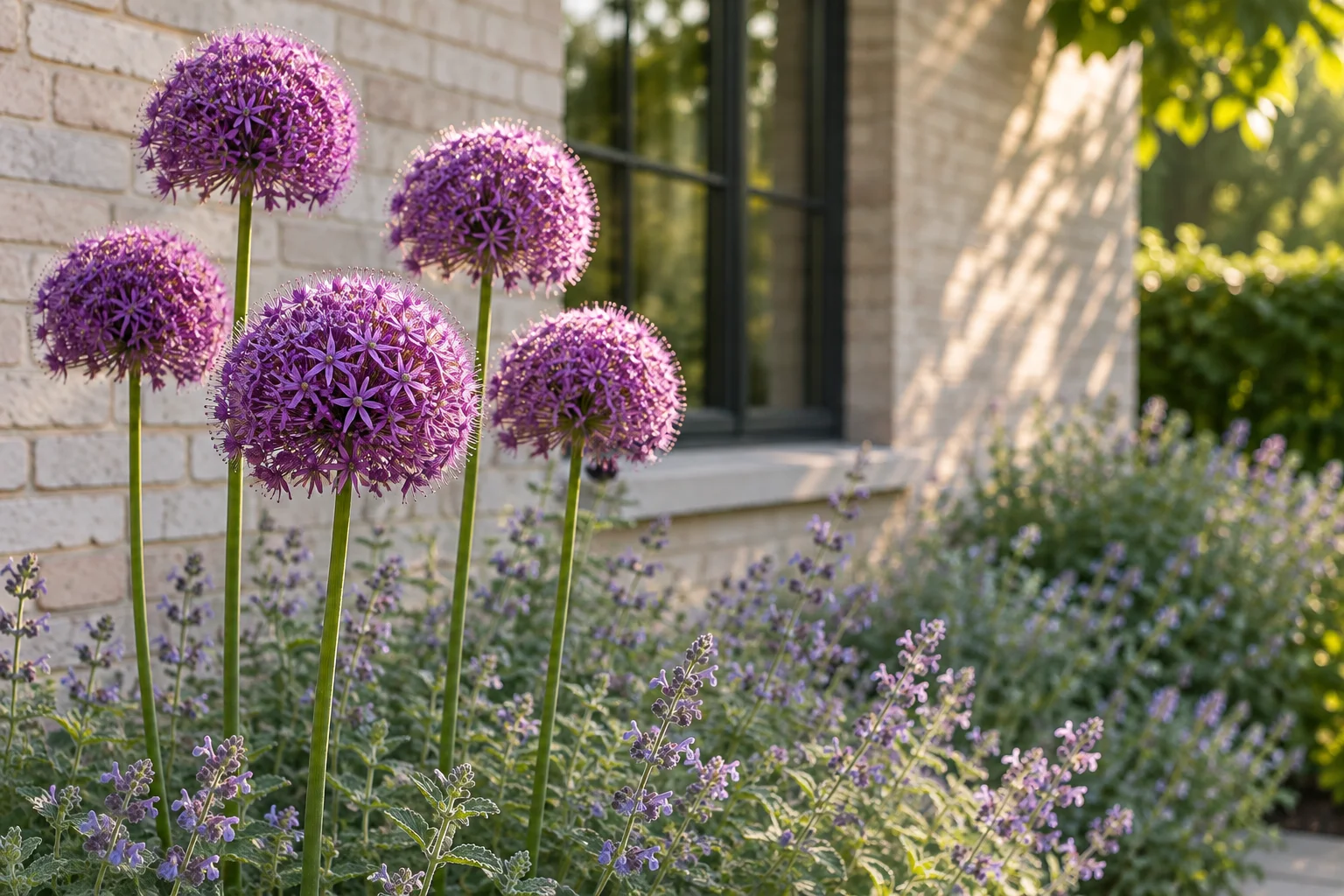
Ornamental onion is the purple globe on a bare stem that makes a small bed look designed, with onion-scented foliage that helps discourage browsing. The giant species reaches up to 6 feet, which sounds absurd until you see it rising through catmint in early summer.
- Planting: plant in fall in full sun and well-drained soil; zones 4 to 8. NC State recommends 8 inches deep and 12 inches apart for A. giganteum. Smaller alliums have different requirements, so check the label.
- Water: keep it moist while it’s growing, then let it go dry after the leaves fade.
- Pets: NC State explicitly flags Allium giganteum as a problem for cats and dogs. Keep bulbs and plant material out of reach.
- Skip it if: the bed stays wet in winter.
24. Snowdrop (Galanthus nivalis)
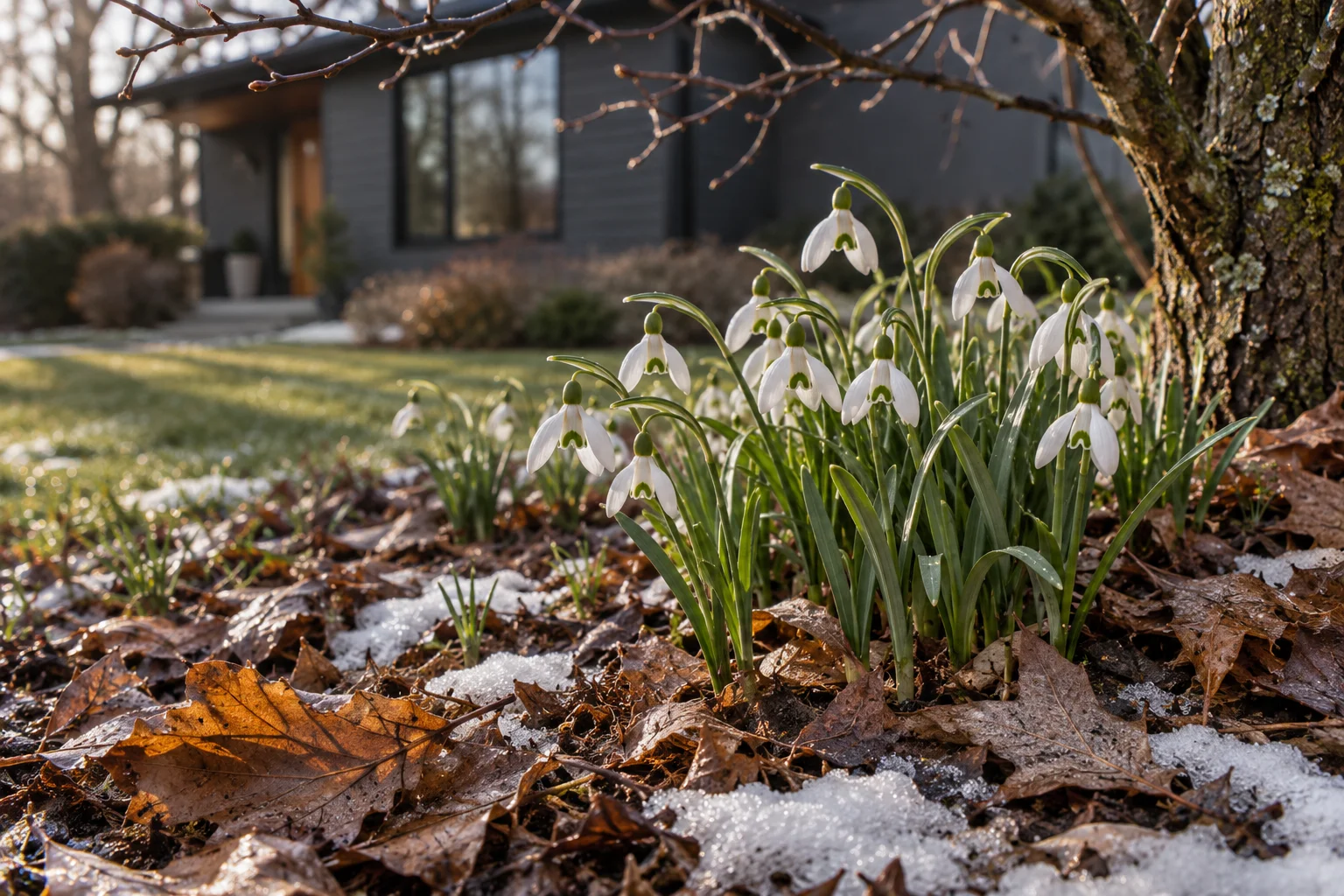
Snowdrops are among the first flowers to open, often while patches of snow remain. A spot beneath a deciduous tree provides spring light before the canopy fills in. Plant bulbs promptly in fall at the supplier’s recommended depth, or buy growing clumps for planting after bloom where available.
- Size and zones: 4 to 10 inches; zones 3 to 9; full sun to part shade in clay or loam with organic matter and good drainage.
- Care: let the leaves die back on their own; split crowded clumps right after flowering.
- Household caution: snowdrops contain toxic alkaloids. Keep the bulbs and plants away from children and animals that may eat them.
- Skip it if: you need summer flowers from this spot. Its seasonal foliage dies back, so plan nearby plants to carry the display later.
Which Deer Resistant Flowers Are Non-Toxic to Cats and Dogs?
For a bed or container within a pet’s reach, start with plants that have an explicit non-toxic listing. The ASPCA plant database names the following:
- Coreopsis (Coreopsis spp.) — includes the genus under which threadleaf coreopsis is commonly sold.
- Common snapdragon (Antirrhinum majus) — useful for cool-season containers.
- Zinnia (Zinnia species) — useful for warm-season color in full sun.
- Coral bells (Heuchera sanguinea) — check the botanical name, especially when buying foliage hybrids.
“Non-toxic” does not mean edible or guaranteed to cause no stomach upset. A plant missing from a toxic-plant list is not automatically safe. Catmint is not the same species as catnip; sweet alyssum and French marigold also need careful name checks. Where a plant’s status is unclear, ask your veterinarian about the exact botanical name before placing it within reach.
Keep foxglove, daffodils, ornamental alliums, hellebores, bleeding heart, peonies, iris, lavender and yarrow away from animals that chew plants. A railing or the back of a bed only helps if it genuinely prevents access. For indoor planting choices, our guide to houseplants for homes with cats and dogs uses the same botanical-name approach. Contact a veterinarian promptly if a pet may have eaten a poisonous plant.
How to Pick the Right Flowers for Your Yard
Start with your light and soil, then check deer pressure and household access. A deer-resistant plant that struggles with the site will still leave you with a poor-looking bed. Measure the available width and buy for mature size, not the size of the nursery pot.
| Your situation | Start with | What to watch |
|---|---|---|
| Hot, dry, sunny bed | Catmint, Russian sage, threadleaf coreopsis | Good drainage; water during establishment. Choose compact cultivars for narrow strips. |
| Moist sunny bed | Bee balm, with suitable coneflowers or black-eyed Susans nearby | Allow airflow and space for spread; all three have B ratings. |
| Moist part shade | Bleeding heart, astilbe, coral bells, Lenten rose | Astilbe cannot take prolonged drying. Check pet access before choosing toxic plants. |
| Deer pass through nightly | Higher-resistance plants plus a secure barrier | Even A-rated flowers can lose buds or new shoots. |
| Reachable pet area | Coreopsis, common snapdragon, zinnia or verified H. sanguinea | Check the full botanical name and any products applied to the plants. |
| Small pots or window boxes | Dwarf snapdragons, compact zinnias, sweet alyssum or French marigolds | Match the season, mature size and pet considerations; pots do not deter deer. |
Three Simple Planting Combinations
Use these as starting combinations, adjusting spacing to the mature width on each label. Repeating a few compatible plants is easier to maintain than fitting all 24 into one bed.
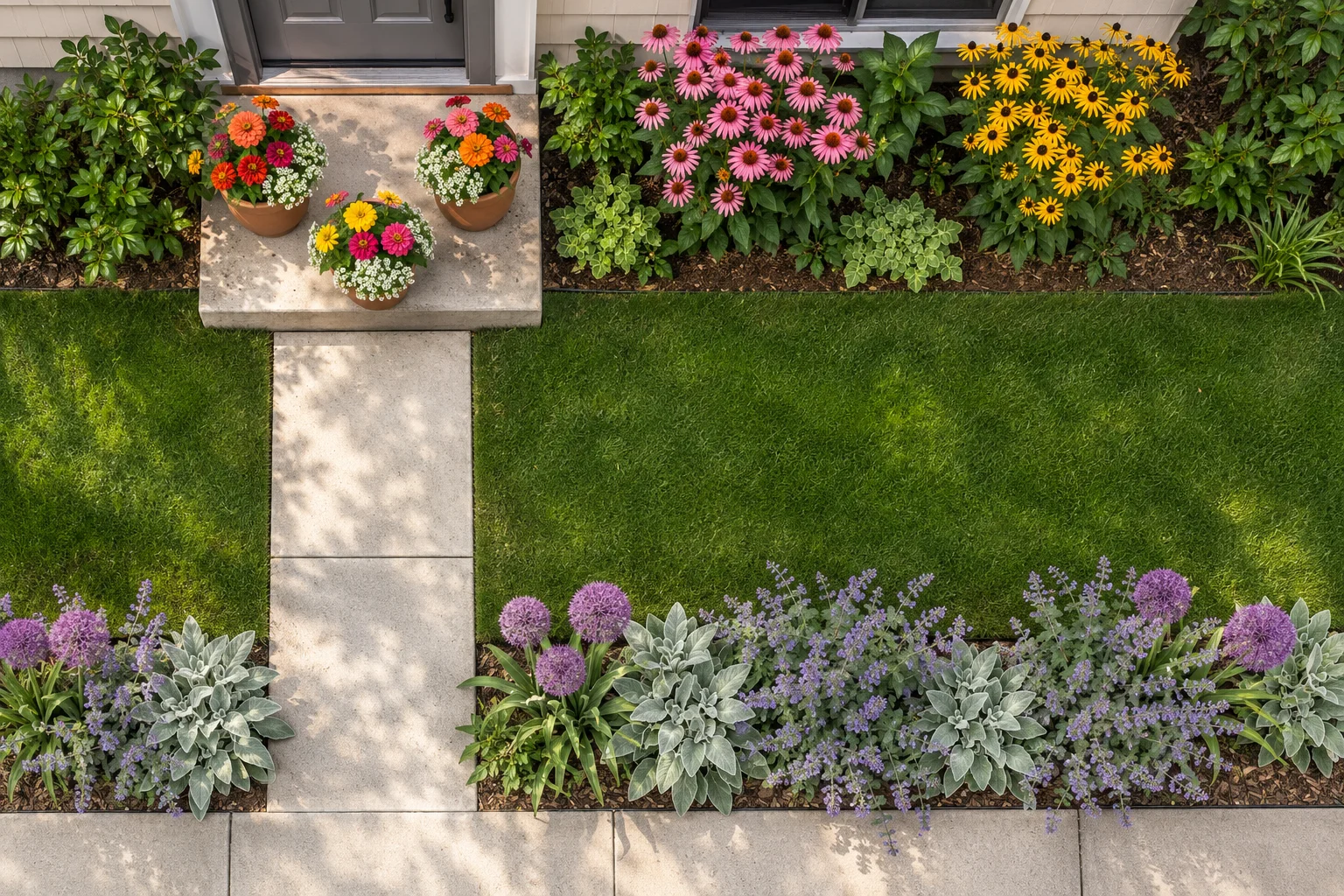
- Sunny border with well-drained soil: put Russian sage toward the back, catmint along the edge and threadleaf coreopsis in repeated groups between them. Add suitable daffodil bulbs in accessible gaps for spring flowers. Keep the layout out of reach of pets that dig or chew.
- Moist, partly shaded bed: use Lenten rose for early flowers, bleeding heart for spring and astilbe for later plumes. Coral bells provide foliage when bleeding heart goes dormant. This combination needs consistent moisture and an area pets cannot graze.
- Seasonal pots in a pet-accessible area: use common snapdragons in cool weather and replace them with compact zinnias once conditions are warm and frost-free. A separate pot of coreopsis can add a perennial element. Use drainage holes and check plant labels against the non-toxic list above.
For pot proportions and placement, see our front porch container garden ideas. For a cool-season refresh, the fall front porch planter ideas offer additional combinations; check each plant separately for deer resistance and pet suitability.
How to Get Flowers from Spring Through Fall
A long season usually comes from overlapping plants rather than expecting one perennial to bloom continuously. Use this sequence as a guide; cold springs, hot summers and cultivar choice can shift it by weeks.
| Season | Flowers to consider | Planning note |
|---|---|---|
| Late winter and early spring | Snowdrop, Lenten rose, early daffodils | Useful early color; keep these plants away from pets that chew. |
| Mid- to late spring | Bleeding heart, peony, iris, later daffodils, catmint | Many have a short main bloom, so pair them with summer choices. |
| Late spring and summer | Coreopsis, lavender, alliums, astilbe, coneflower, bee balm | Choose compatible soil moisture rather than planting every option together. |
| Late summer into fall | Russian sage, black-eyed Susan, zinnias, marigolds, ageratum | Warm-season annuals stop at frost; snapdragons and alyssum may recover as heat eases. |
Care and Deer Protection That Make a Difference
Plant for your local season
Plant hardy spring-flowering bulbs in fall, early enough to develop roots before the ground freezes. Timing varies by region; USDA zone alone cannot tell you whether a particular November week is suitable. Plant perennials in a locally appropriate spring or fall window, avoiding frozen, waterlogged or severely hot, dry conditions. Set frost-tender annuals out after your local frost risk has passed.
Follow the packet for bulb depth and spacing. University of Minnesota Extension’s bulb guide explains that both depend on the bulb and soil. Do not plant snowdrops at the same depth as giant alliums simply because they share a bed. Leave bulb foliage to yellow naturally after flowering.
Water and space by plant type
Group lavender, Russian sage and other dry-soil plants separately from moisture-loving astilbe and bee balm. Check moisture around new roots regularly, even for plants described as drought tolerant. Let the plant and soil determine watering; in containers, inspect the mix frequently during heat instead of assuming every pot needs the same daily schedule.
Give each plant room to reach its mature width. Crowded foliage dries slowly, and tall plants can lean across a narrow path. Keep mulch away from crowns and bearded iris rhizomes. Avoid heavy feeding where lean-soil perennials already grow well.
Protect young plants and vulnerable buds
Where deer visit, protect new growth with a securely installed cage or fencing that stops animals reaching the plant. Keep protection in place as long as browsing continues; surviving the first few weeks does not make a flower deer-proof. Avoid loose netting draped over plants, which can snag wildlife and collapse onto the growth.
University of New Hampshire Extension recommends exclusion as the most effective approach. For a conventional upright fence around a larger garden, it advises at least 8 feet because deer can jump lower barriers. Small cages can protect individual plants when securely installed. A 4-foot fence is not a general substitute for a full deer fence; layout, gaps and access matter.
If you use a repellent, start before repeated damage and follow its label for suitable plants, pet access and reapplication. Rain, new growth and time can reduce effectiveness. Do not assume a universal monthly schedule or that any spray will eliminate damage. A container beside the door is still vulnerable if deer can reach it.
Keep the seasonal upkeep manageable
- Spring: check emerging shoots for browsing, remove damaged foliage as appropriate and cut Russian sage back as new growth begins.
- Summer: deadhead where useful, shear catmint or coreopsis after flowering if healthy, and monitor pots and moisture-loving plants.
- Fall: plant suitable bulbs, leave some coneflower and black-eyed Susan seed heads for birds, and plan winter protection for containers.
- Winter: inspect barriers and protect vulnerable evergreen growth when other forage is scarce. Check potted plants for drying as well as cold damage.
Perennial roots in containers experience more temperature extremes than roots in the ground. Choose a locally suitable overwintering method; our guide to winterizing potted plants covers practical options.
Frequently Asked Questions
What are the best deer resistant flowers for full sun?
Catmint, English lavender, Russian sage and threadleaf coreopsis are useful starting choices for sunny, well-drained beds. Add daffodils for spring. Choose by soil moisture and mature size, and use a barrier if local deer repeatedly browse new growth.
Which deer resistant flowers grow in shade?
Bleeding heart and Lenten rose are stronger-resistance choices for shade. Astilbe and coral bells also work, but browsing remains possible. Astilbe needs consistently moist soil, while deeply shaded or root-filled ground may limit flowering.
Which deer resistant flowers bloom all summer?
Zinnias, French marigolds and ageratum can provide long warm-season displays until frost. Russian sage also has a long summer-to-fall season in suitable conditions. Catmint and coreopsis may repeat after shearing; no perennial should be assumed to flower continuously in every climate.
Are marigolds and zinnias deer resistant?
Rutgers gives French marigold (Tagetes patula) and Zinnia species a B rating. They are reasonable choices where browsing is occasional, but deer can eat them. Marigolds do not reliably protect the other plants around them.
Why did deer eat my deer resistant flowers?
Local feeding habits, high deer numbers, tender new growth and scarce alternative food can override a plant’s usual resistance. Even an A-rated plant can lose buds. Check the damage, secure a barrier around vulnerable growth and adjust your choices based on what survives nearby.
Are these flowers also rabbit resistant?
Some overlap, but a deer rating does not predict rabbit damage. Identify the visitor and use an appropriate physical barrier. A tall deer fence may still admit rabbits through gaps near the ground, while a low rabbit fence will not exclude deer.
Will daffodils or lavender protect my tulips and hostas?
No dependable protection should be expected. Deer can browse favored plants beside resistant ones. Keep vulnerable tulips and hostas in an area deer cannot reach rather than relying on an aromatic or toxic border around them.
Can I grow deer resistant flowers in containers?
Yes. Compact catmint, coral bells, astilbe, snapdragons, sweet alyssum, French marigolds, zinnias and ageratum can suit containers when their light and water needs are met. Choose a pot for mature root size and drainage; being in a pot does not make a plant safe from deer or suitable for pets.
Do soap or human hair keep deer away?
Results are inconsistent, so avoid relying on scent objects for a valuable flower bed. Secure barriers and a properly used, labeled repellent are more practical measures where browsing is frequent.
Start with a Small, Well-Matched Planting
Choose three or four flowers that suit the same light and moisture conditions, then observe them through a growing season before expanding. For sun and drainage, catmint, Russian sage and threadleaf coreopsis are a practical starting group. For shade, begin with moisture-appropriate choices and check pet access first. If shoots or buds are repeatedly eaten, improve the barrier before buying more plants.
Sources and Plant References
- Rutgers Cooperative Extension — Landscape Plants Rated by Deer Resistance and its printable bulletin: A/B classifications, local limitations and bud-browsing notes.
- NC State Extension Gardener Plant Toolbox: growing requirements and plant cautions. Each numbered flower’s botanical name links to its individual profile.
- ASPCA — Toxic and Non-Toxic Plants: botanical-name checks and the specific non-toxic records linked in the pet section.
- University of Georgia Extension — Deer-Tolerant Ornamental Plants: deer feeding preferences and the limitations of resistant planting.
- University of New Hampshire Extension — Keep the Deer Out of Your Garden This Winter: fences, individual plant cages and repellent limitations.
- University of Minnesota Extension — Planting Bulbs, Tubers and Rhizomes: seasonal planting, depth, spacing and bulb aftercare.