

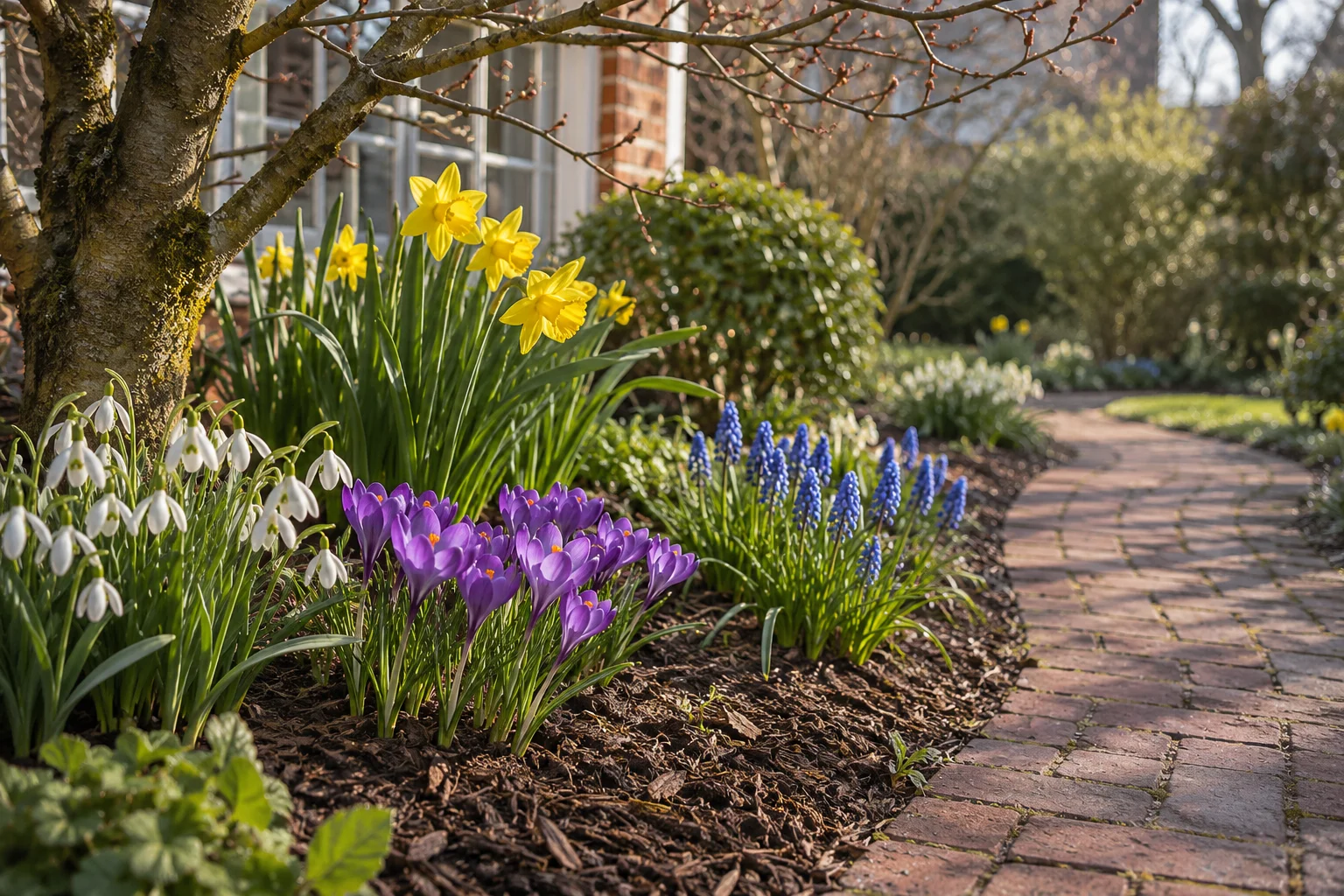
Picture a patch of bare, half-frozen ground in late February that turns white, then violet, then buttery yellow over a few weeks, and then does it all again the next year without you buying a single new bulb. That is the whole appeal of a fall bulb order done right.
Quick answer: the flower bulbs that come back every year most reliably are daffodils, snowdrops, crocus, grape hyacinth, glory-of-the-snow, winter aconite, summer snowflake, camassia, alliums and species tulips. Hyacinths and Darwin hybrid tulips return too, but with smaller flowers over time, while most fancy hybrid tulips fade within three or four years.
The catch is that plenty of bulbs sold in fall act like annuals. Fancy tulips often shrink to a few leaves by year two, and big hyacinth spikes thin out. This list sticks to flower bulbs that come back every year in most US gardens, sorted by bloom order, with the USDA zones, planting depth and pet notes you need before you dig. If you are planning a low-maintenance front yard flower garden, these are the plant-once pieces that do the early work.
Table of Contents
At a Glance
- Daffodils are the most dependable returners for most zones, and deer and rabbits leave them alone, but every part is toxic to cats and dogs.
- Small “minor” bulbs such as snowdrops, crocus, glory-of-the-snow and grape hyacinth multiply into carpets over the years.
- For tulips that last, choose species tulips or Darwin hybrids and expect most modern hybrids to fade after three or four years.
- Plant in fall once the soil cools below 60°F, and leave the leaves in place for about six weeks after flowering.
- Grape hyacinth is the one bulb here listed as non-toxic to cats and dogs.
Short on time? Start with daffodils where pets can’t dig and grape hyacinth near the path, then add snowdrops and crocus for the earliest color.
How We Chose These
Every bulb here returns on its own in its listed zones, either by making offsets (small daughter bulbs), by self-seeding, or simply by living for many years in one spot. We used zones, bloom times and spreading habits from the Missouri Botanical Garden Plant Finder and the NC State Extension Gardener Plant Toolbox, plus university extension guides for the tulip question.
We also left a few popular bulbs off. Siberian squill spreads too readily for many US yards, and true lilies are a serious risk in homes with cats; both are covered in How to Pick. If deer are your main problem, our list of deer resistant flowers pairs well with the bulbs marked deer resistant below.
Use the table to compare all 15 at once, then tap a bulb’s name to jump to its planting notes.
| Bulb | USDA zones | Sun | Bloom time | Height | Planting depth | Cats and dogs |
|---|---|---|---|---|---|---|
| Snowdrop | 3-7 | Sun to part shade | February | 6-9 in | 2-3 in | Ask your vet |
| Winter aconite | 3-7 | Sun to part shade | Late winter to early spring | 3-6 in | 2-3 in | Highly toxic |
| Crocus | 3-8 | Sun to part shade | February to March | 2-6 in | 3-4 in | May upset stomach |
| Reticulated iris | 5-9 | Sun to part shade | March | 4-6 in | 5 in | Toxic |
| Glory-of-the-snow | 3-8 | Sun to part shade | February to April | 6-12 in | 3 in | Ask your vet |
| Daffodil | 4-8 | Sun to part shade | Late winter to spring, by cultivar | 8-30 in | 8 in | Toxic |
| Grape hyacinth | 4-8 | Sun to part shade | Early to mid spring | 6-9 in | 2-3 in | Non-toxic |
| Grecian windflower | 5-9 | Sun to part shade | April to May | 4-6 in | 2-3 in | Ask your vet |
| Species tulips | 3-8 | Full sun | March to April | 3-12 in, by species | 4-8 in, by species | Toxic |
| Darwin hybrid tulips | 3-8 | Full sun | Mid spring | About 20-24 in | About 3x bulb height | Toxic |
| Hyacinth | 4-8 | Sun to part shade | April to May | 8-12 in | 2-3x bulb height | Toxic |
| Summer snowflake | 4-8 | Sun to part shade | Late April | 12-18 in | 3-4 in | Ask your vet |
| Camassia | 5-9 | Sun to part shade | April to May | 2.5-4 ft | 4-6 in | Ask your vet |
| Allium ‘Globemaster’ | 5-8 | Full sun | May | 1.5-2.5 ft | 4-6 in | Toxic (onion family) |
| Surprise lily | 5-9 | Sun to part shade | August to September | 1.5-2 ft | Per bulb label | Ask your vet |
The 15 Flower Bulbs That Come Back Every Year
The list runs in rough bloom order, from the first white bells in February to a late-summer surprise, so you can pick a few that hand off to each other.
1. Snowdrop (Galanthus nivalis)
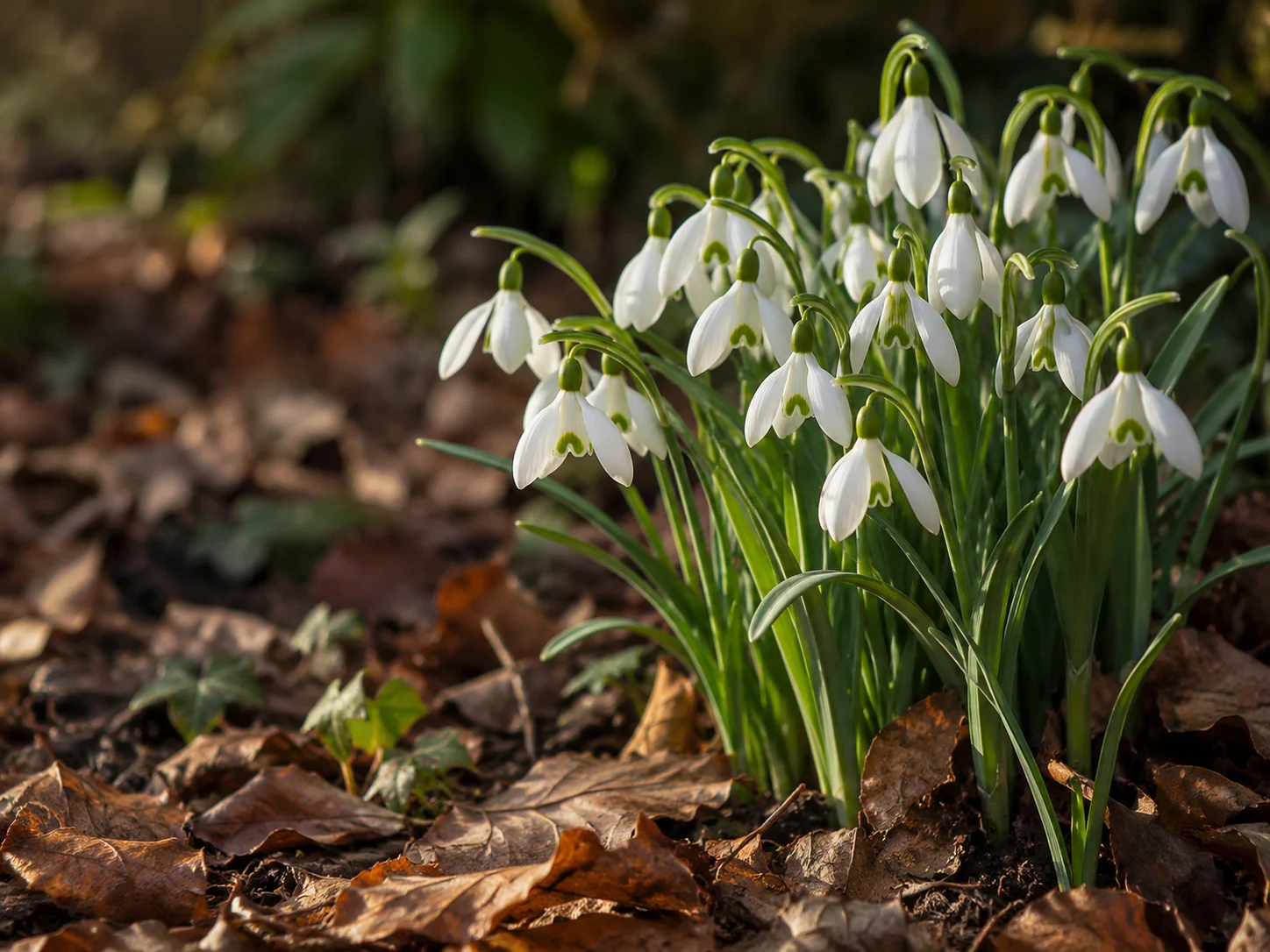
Snowdrops are often the first flowers of the year, opening in February while the rest of the garden still looks asleep. They spread by both seed and offsets, so a small group under a shrub or tree slowly widens into a white sheet.
- Planting: 2 to 3 inches deep and 2 to 3 inches apart, in groups of at least 25 so they read from a distance.
- Handling: wear gloves when planting; the bulbs can irritate skin.
- Wildlife: deer tolerant.
Skip it if you garden in the warm South; it is rated only to zone 7.
2. Winter Aconite (Eranthis hyemalis)
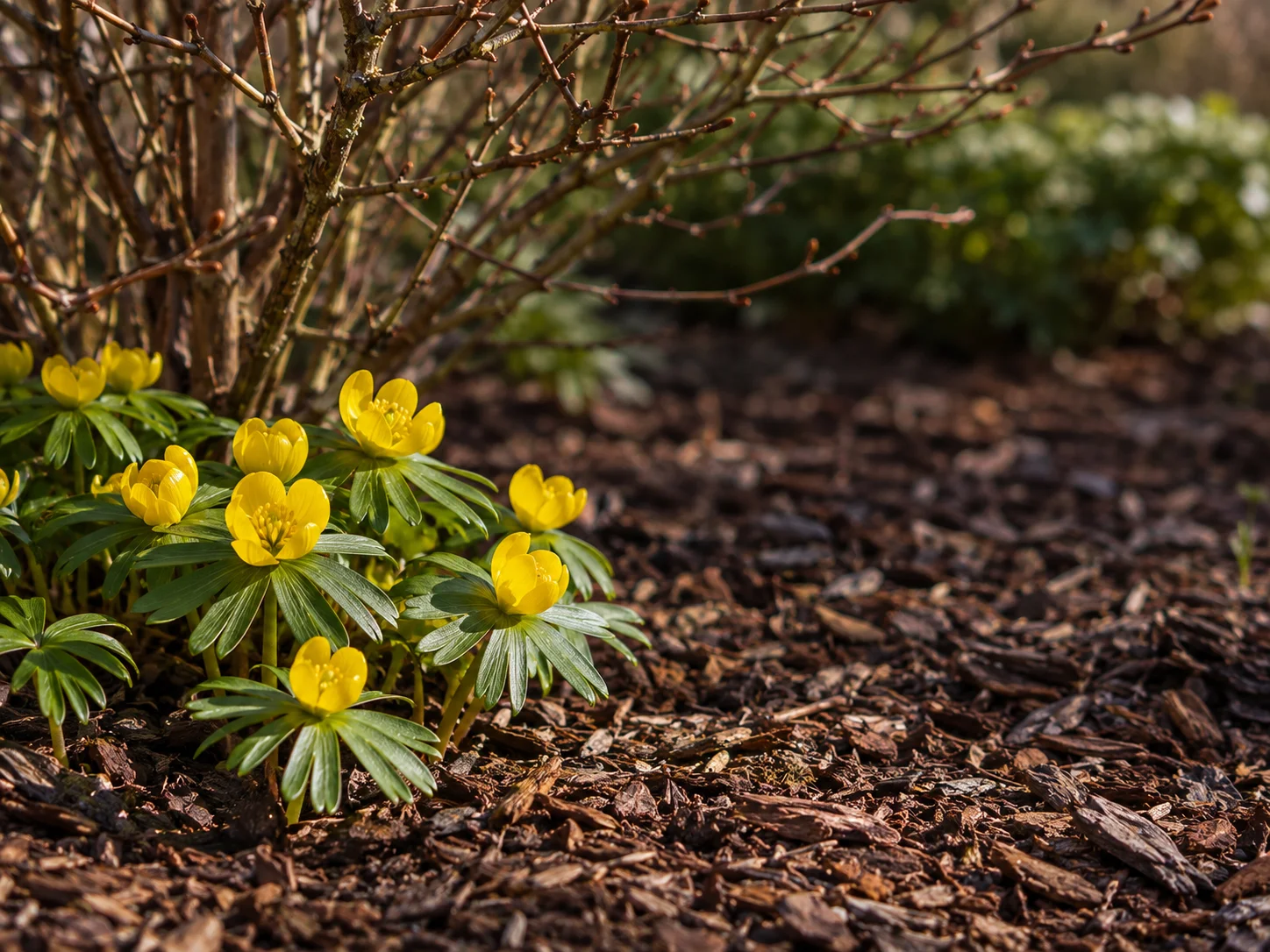
Winter aconite looks like a scatter of little yellow buttercups, each sitting on a frilly green collar, lighting up bare soil before the crocus open. It grows from small tubers and can naturalize by self-seeding when left alone.
- Planting: soak the tubers overnight, then set them 2 to 3 inches deep and about 3 inches apart in late summer to early fall.
- Best spot: under deciduous shrubs where the soil isn’t disturbed later.
Skip it if pets or small children dig in your beds. Every part is rated highly toxic and may be fatal if eaten.
3. Crocus (Crocus tommasinianus and C. vernus)
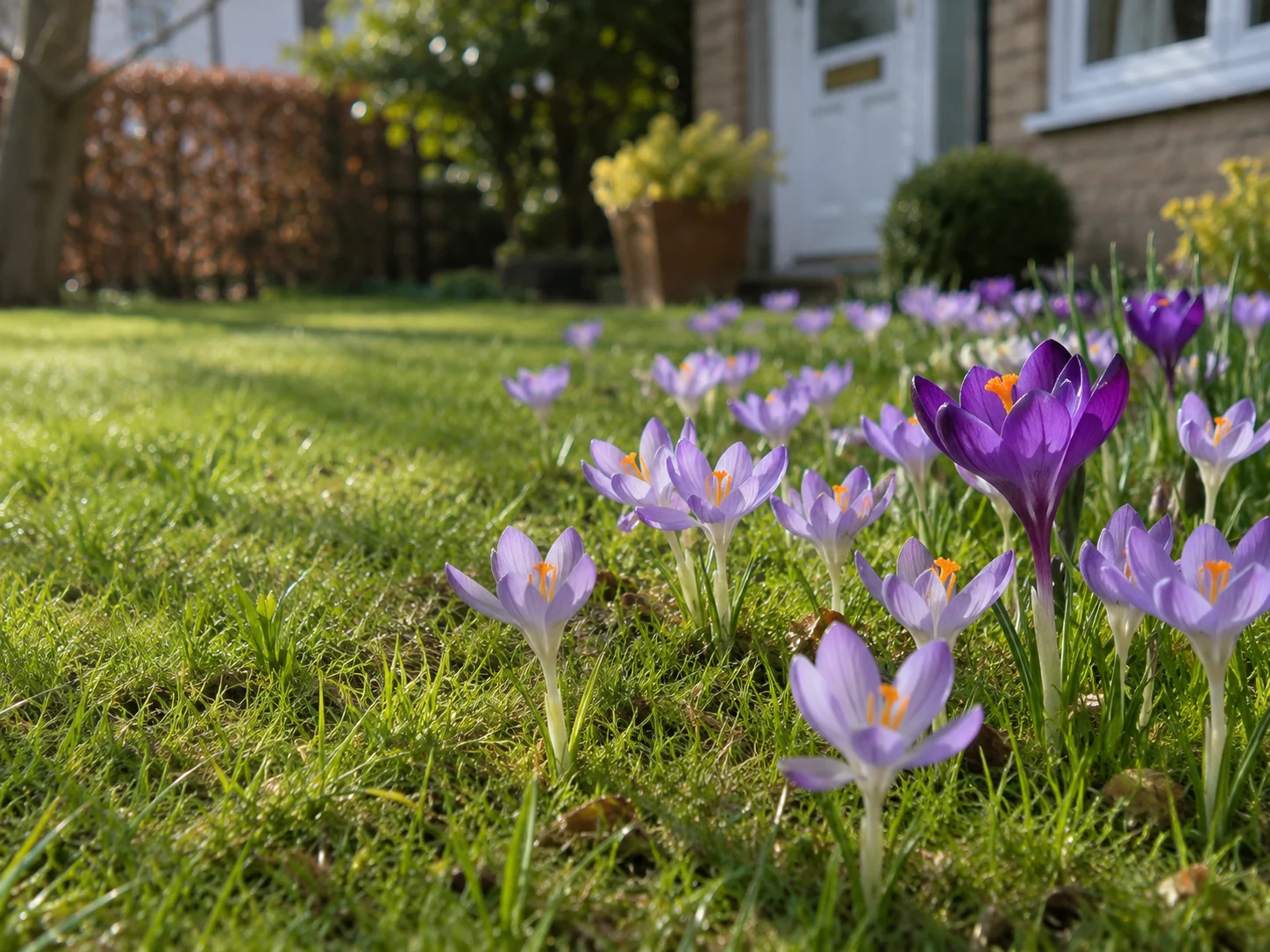
Crocus open in February and March in shades of lavender, purple, white and gold, and they handle lawns better than most bulbs. The slim “tommies” (C. tommasinianus) are the ones to naturalize in grass; just wait until their leaves turn yellow before the first mow.
- Planting: 3 to 4 inches deep and apart for C. tommasinianus.
- Squirrels: they dig up and eat newly planted crocus corms, though tommies are reported to be bothered less than other crocus. A sheet of chicken wire laid over a new planting until spring is a simple deterrent.
- Pets: spring crocus may cause stomach upset if eaten; the separate fall-blooming autumn crocus (Colchicum) is far more dangerous, so check labels.
Skip big Dutch crocus in a lawn you mow early in spring; the foliage needs time to recharge the corms.
4. Reticulated Iris (Iris reticulata)
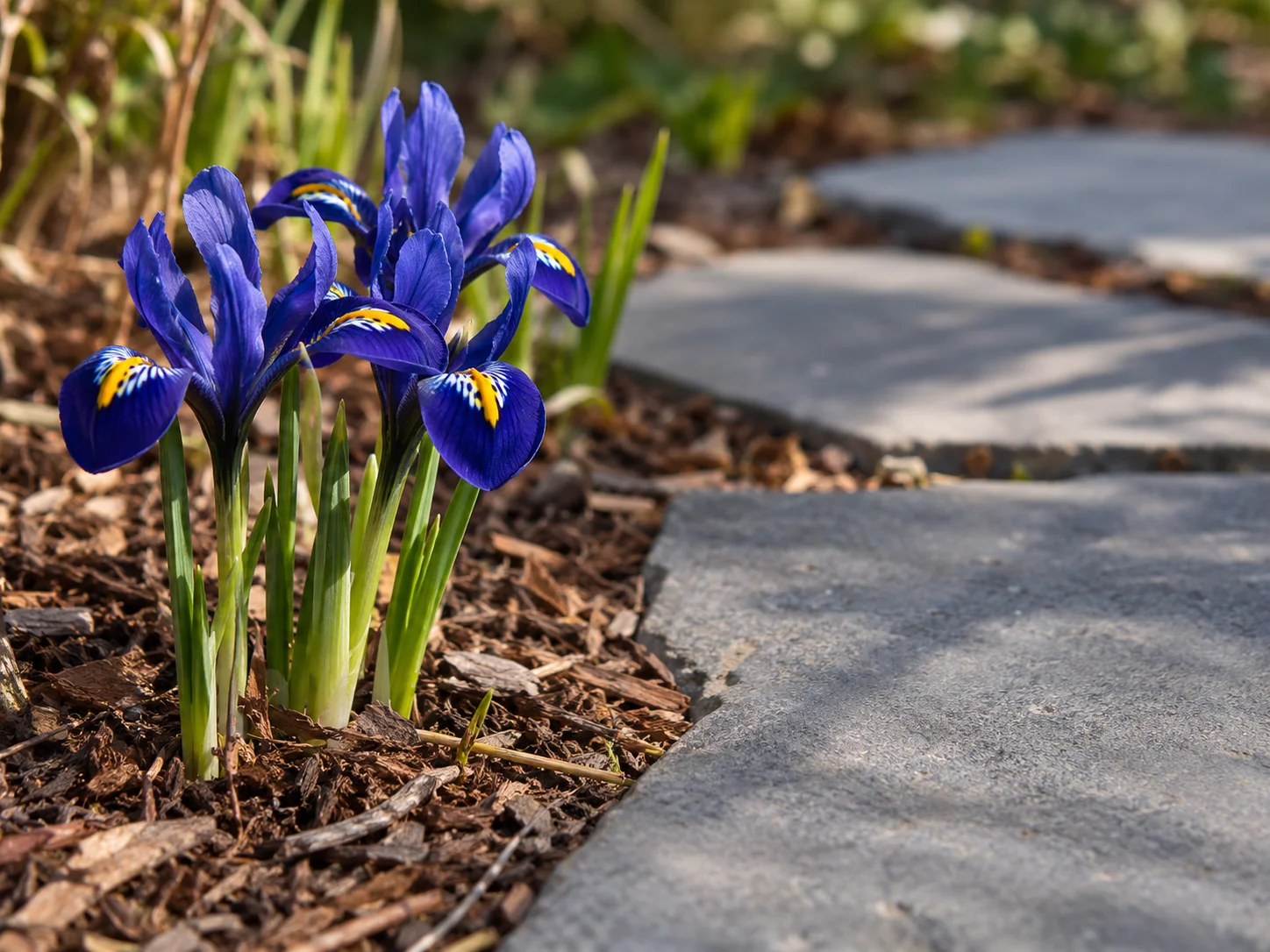
This miniature iris looks like an orchid shrunk to fit a teacup: deep blue or purple petals with bright markings, only 4 to 6 inches tall, blooming in March. It spreads slowly by bulblets and shrugs off deer and dry spells.
- Planting: 5 inches deep, measured to the base of the bulb, in well-drained soil.
- Placement: by a path or front step where you can see it up close.
- Pets: iris is listed as toxic to cats and dogs, so keep it out of digging spots.
Skip it if you garden in the hot Southeast, where it rarely acts as a perennial.
5. Glory-of-the-Snow (Chionodoxa forbesii)
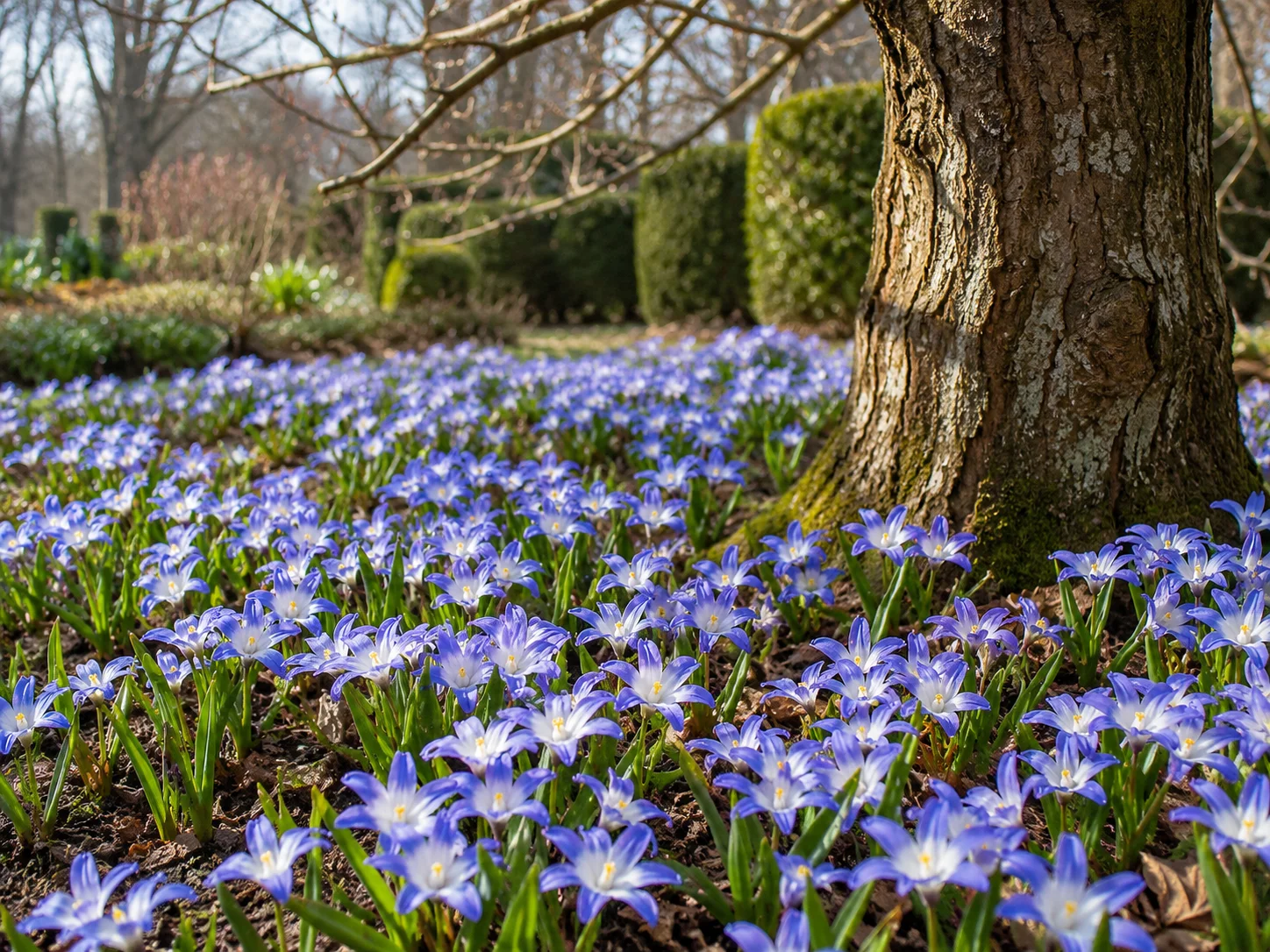
Glory-of-the-snow turns the ground under trees sky blue between February and April, with starry, upward-facing flowers and white eyes. It naturalizes easily by offsets and self-seeding, forming a spreading carpet.
- Planting: 3 inches deep and 2 to 3 inches apart in fall.
- Wildlife: tolerates deer.
- Name note: some catalogs now sell it as Scilla, since botanists have merged the two groups.
Skip it if you want a tidy bed with nothing coming up between the clumps; it seeds around.
6. Daffodil (Narcissus)
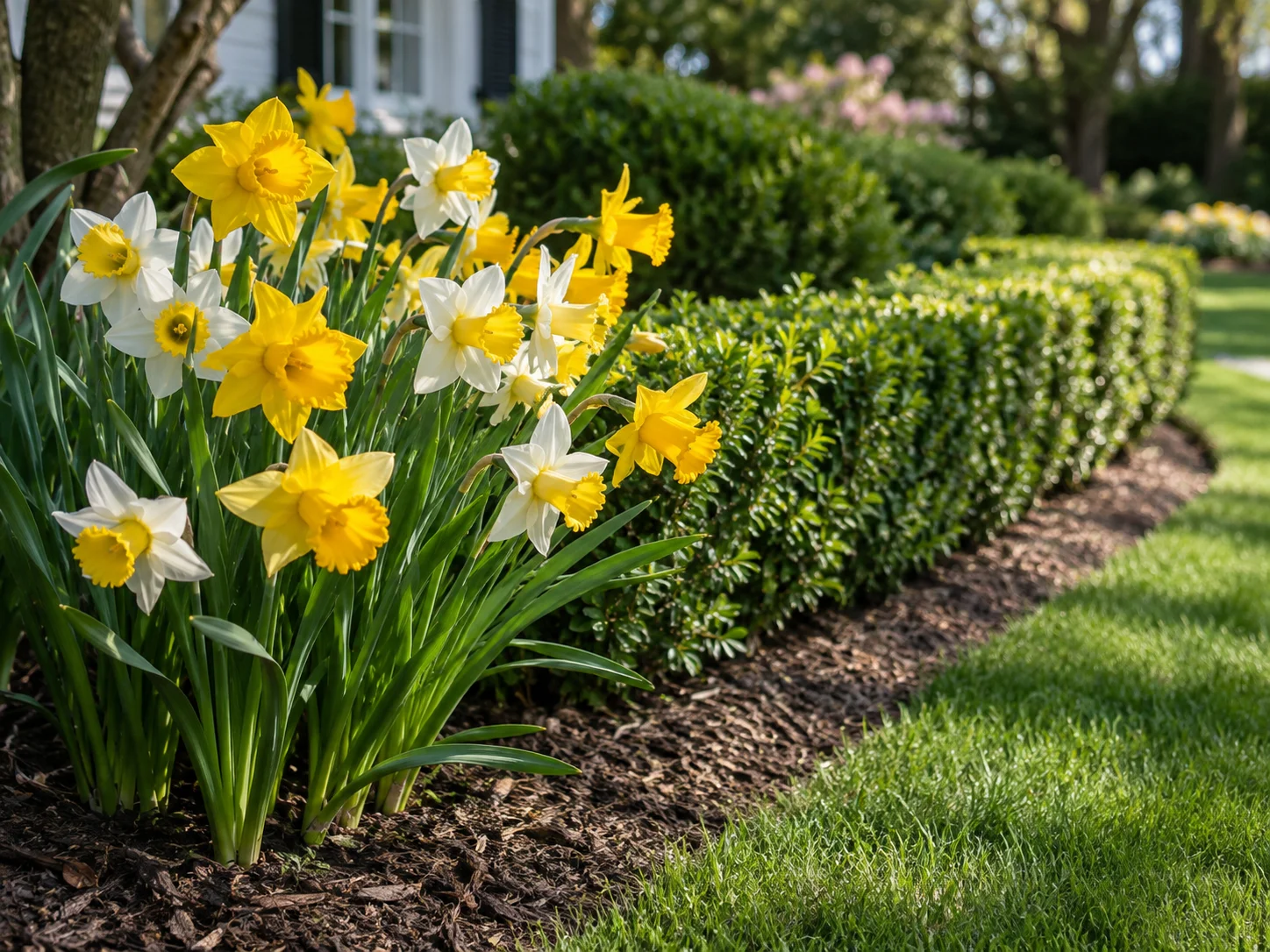
If you only plant one bulb this fall, make it a daffodil. Of all the flower bulbs that come back every year, it is the easiest to trust: it is resistant to deer, rabbits, drought and salt, and the bulbs can be left undisturbed for years. Mix early, mid and late cultivars and the show can stretch across weeks, since different daffodils bloom anywhere from late winter to late spring.
- Planting: 8 inches deep for standard-size bulbs, in sun or part shade.
- Aftercare: don’t cut the foliage until it starts to yellow.
Skip it near spots where a dog digs. The ASPCA lists daffodils as toxic to dogs and cats, with the bulb the most poisonous part, so a freshly planted bed is the riskiest moment.
7. Grape Hyacinth (Muscari armeniacum)
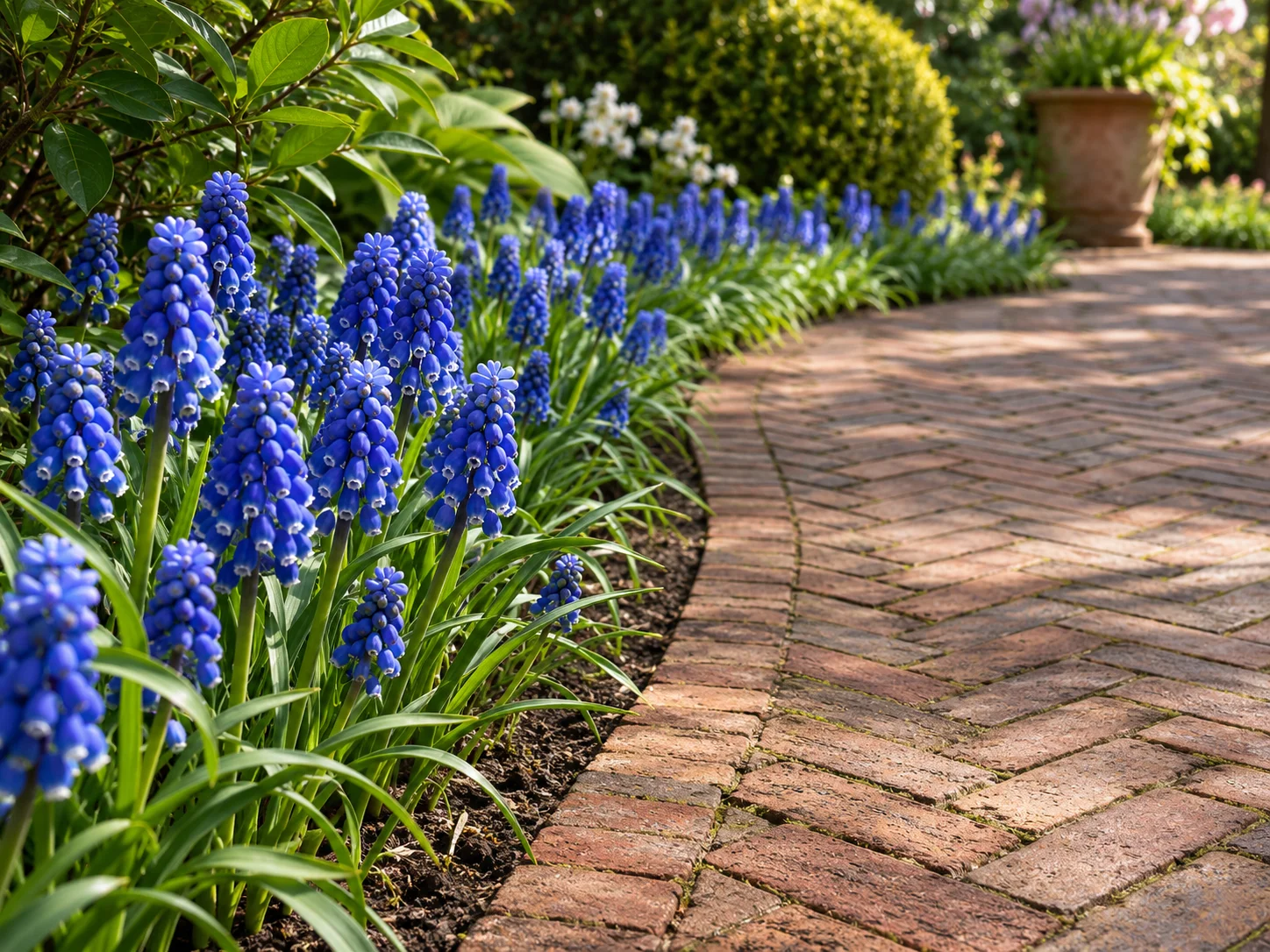
Grape hyacinth makes those little cobalt “bunches of grapes” that look so good edging a path or tucked under daffodils. It multiplies steadily, and deer and rabbits leave it alone.
- Planting: 2 to 3 inches deep and 2 to 3 inches apart.
- Pets: grape hyacinth is listed as non-toxic to dogs and cats, which makes it our first pick for beds near a pet’s favorite route. Non-toxic still doesn’t mean it’s fine to snack on, so discourage chewing.
Skip it in a formal bed if you dislike leaves that show up in fall and linger; that grassy foliage is part of the deal.
8. Grecian Windflower (Anemone blanda)
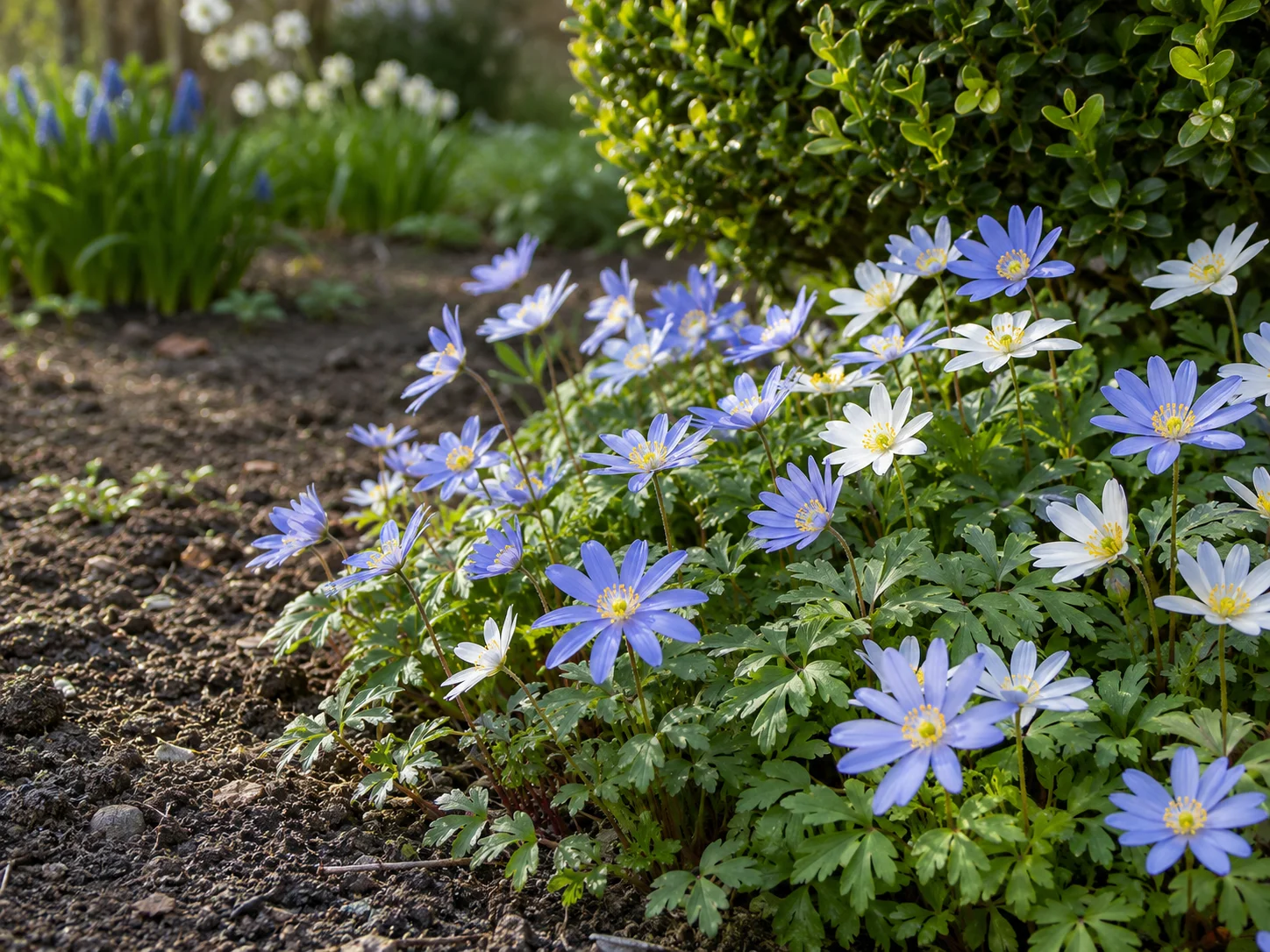
Grecian windflower covers the ground in April and May with blue, pink or white daisies over ferny leaves, only 4 to 6 inches tall. In ideal conditions it naturalizes easily, which makes it a soft partner for daffodils.
- Planting: soak the knobby tubers overnight, then plant them 2 to 3 inches deep in fall.
- Handling: fresh sap can blister skin, so gloves help.
Skip it in zones colder than 5, where it isn’t reliably hardy.
9. Species Tulips (Tulipa tarda and T. clusiana)
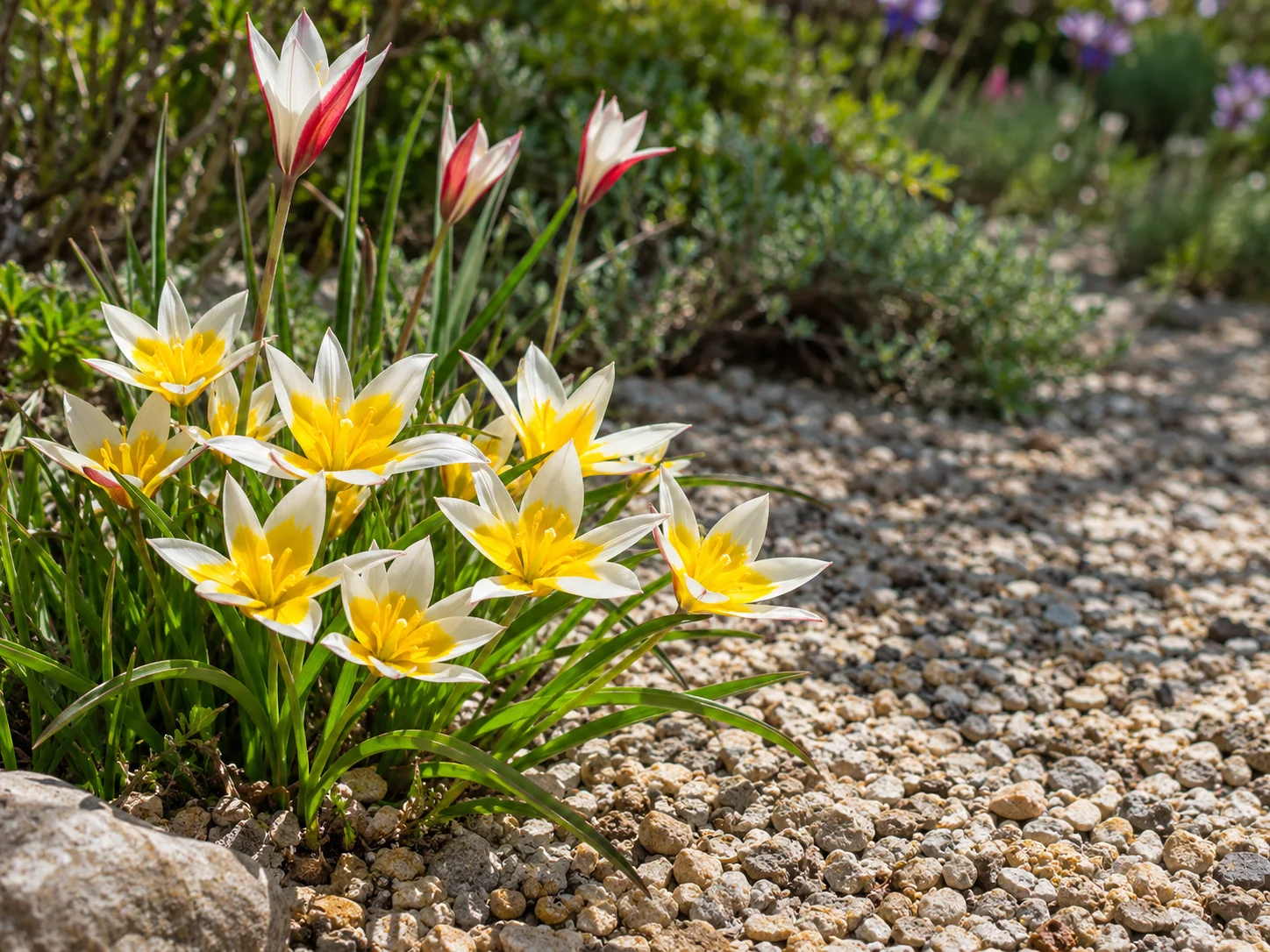
Species tulips are the small, wild-type tulips, and they behave very differently from the big hybrids. Tulipa tarda opens into low yellow-and-white stars in March and April and perennializes well in the right conditions. Tulipa clusiana, the striped “candy cane” tulip, naturalizes into larger colonies and likes moist winters with warm, dry summers.
- Planting: T. tarda 4 to 5 inches deep; T. clusiana 6 to 8 inches deep and 4 to 5 inches apart, mid to late fall.
- Site: full sun and sharp drainage; a gravel garden or rock edge is ideal.
- Pests: deer, squirrels, mice and voles may all eat tulips, so the chicken-wire trick from the crocus entry helps here too.
Skip them if you want tall cutting flowers; most stay under a foot.
10. Darwin Hybrid Tulips (Tulipa hybrids)
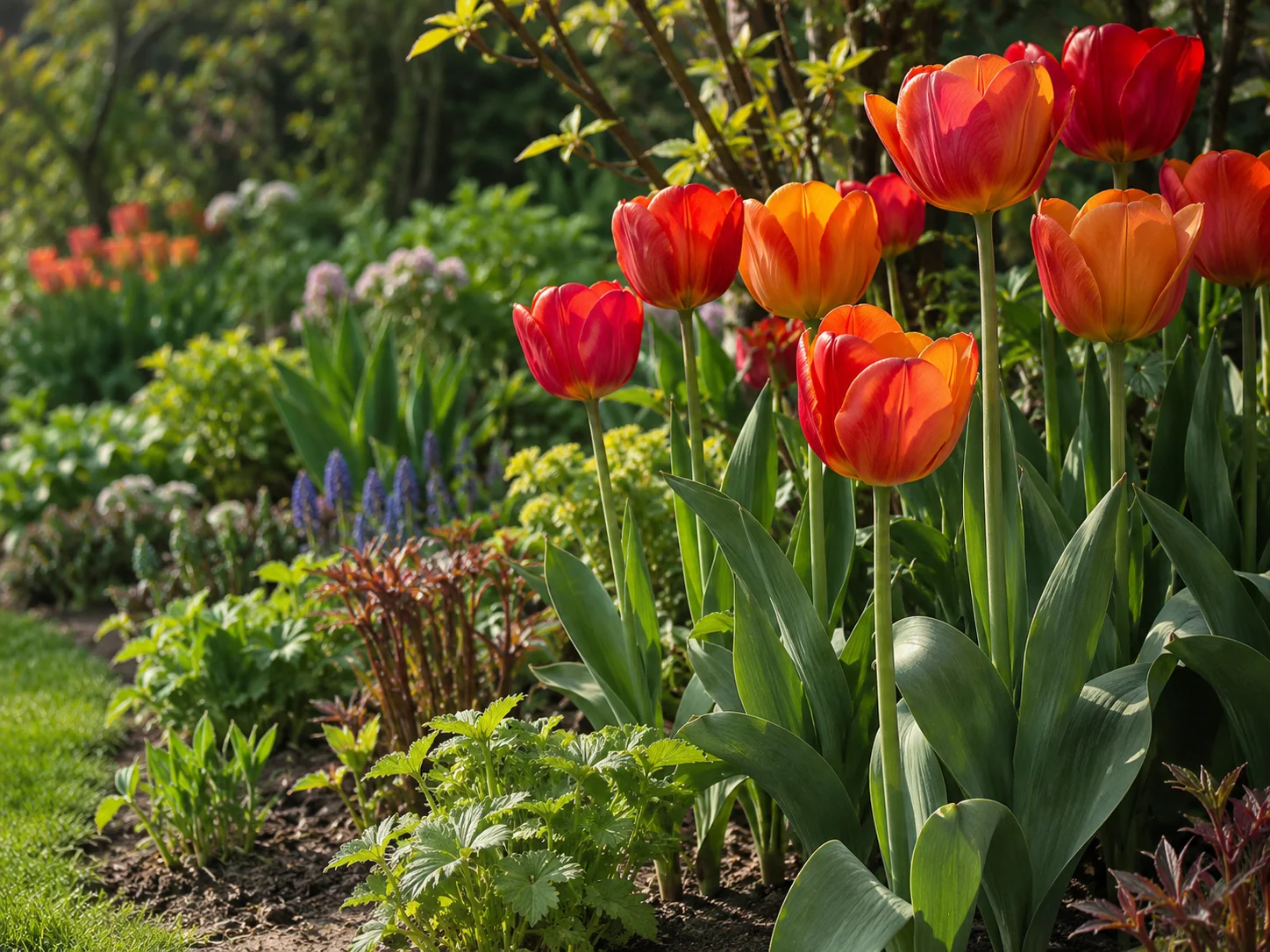
If you want the classic big-cup tulip and still hope to see it again, Darwin hybrids are the best bet. Among hybrid tulips they generally keep blooming for the most years, and there’s a clear reason most modern tulips only bloom well for three to four years: their vigor drops fairly quickly, and a forming seedpod pulls food away from the bulb.
- Deadhead: snap off each faded flower so no seedpod forms, then leave the stem and leaves to ripen.
- Depth: tulips go deeper than most bulbs, about three times the height of the bulb.
- Site: full sun and soil that drains well, the same as species tulips.
Skip them in deep-South gardens, where hybrid tulips are usually treated as one-season annuals.
11. Hyacinth (Hyacinthus orientalis)
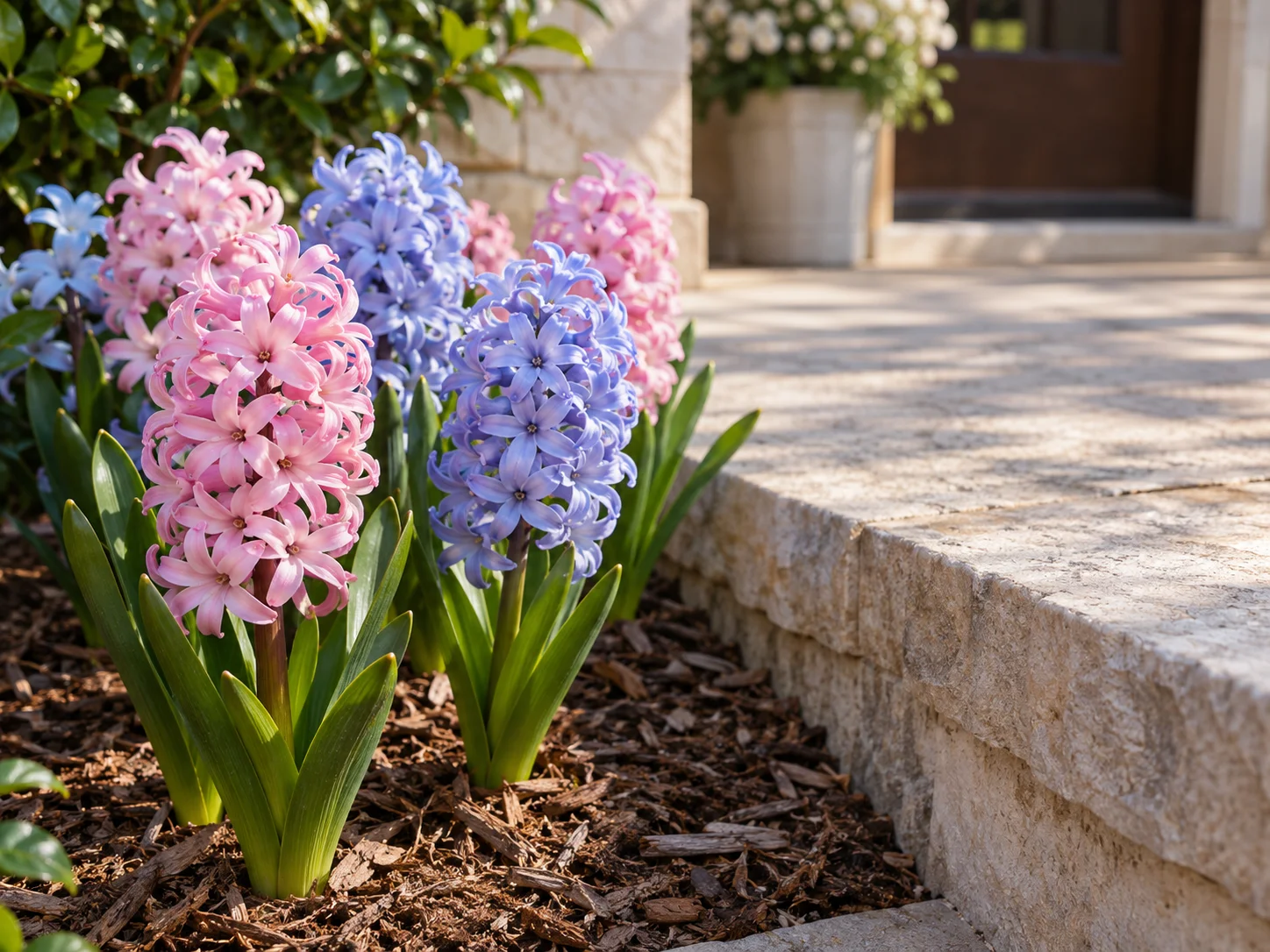
Hyacinths bring the strongest scent of any spring bulb, with dense spikes that bloom for two to three weeks in April and May. They do come back, but plan on looser, smaller spikes after the first year; the flowers get smaller and more widely spaced each season.
- Placement: by a door or path where the scent is noticed.
- Winter: add a layer of mulch in zone 4.
- Wildlife: deer and rabbit resistant.
- Pets: hyacinth is listed as toxic to cats and dogs, so plant it where nobody digs.
Skip it if you want the same tight, formal spikes every year; that look needs fresh bulbs.
12. Summer Snowflake (Leucojum aestivum)
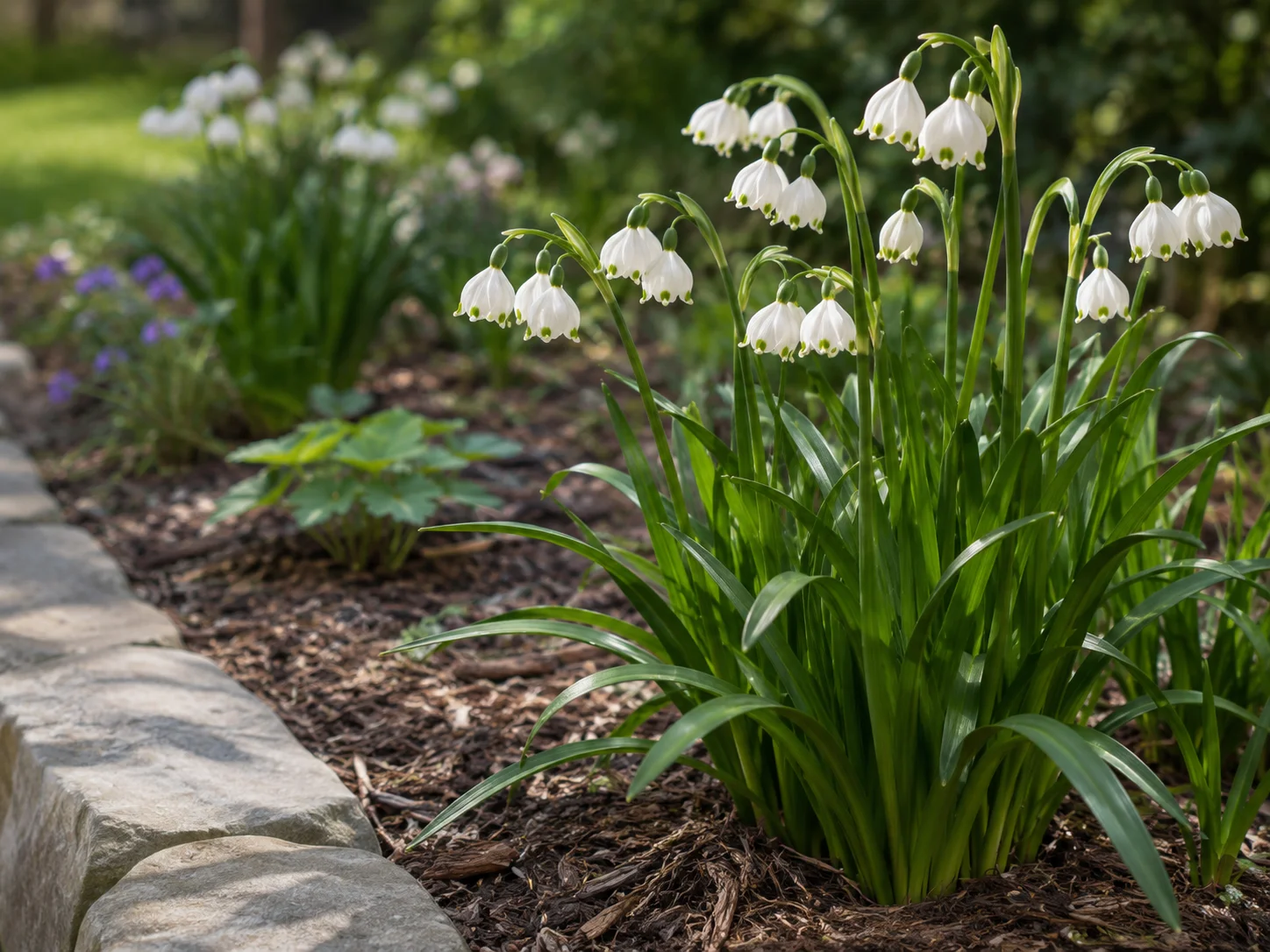
Despite the name, summer snowflake blooms in mid-spring, around late April. Each stem carries several white bells with a neat green dot on every petal tip, a little like an oversized snowdrop. It naturalizes by offsets and tolerates clay soil and deer.
- Planting: 3 to 4 inches deep and 4 to 6 inches apart in fall.
- Height: 1 to 1.5 feet, so place it mid-border.
Skip it near natural areas if you live in Delaware, where it is considered invasive because it spreads readily.
13. Camassia (Camassia leichtlinii)
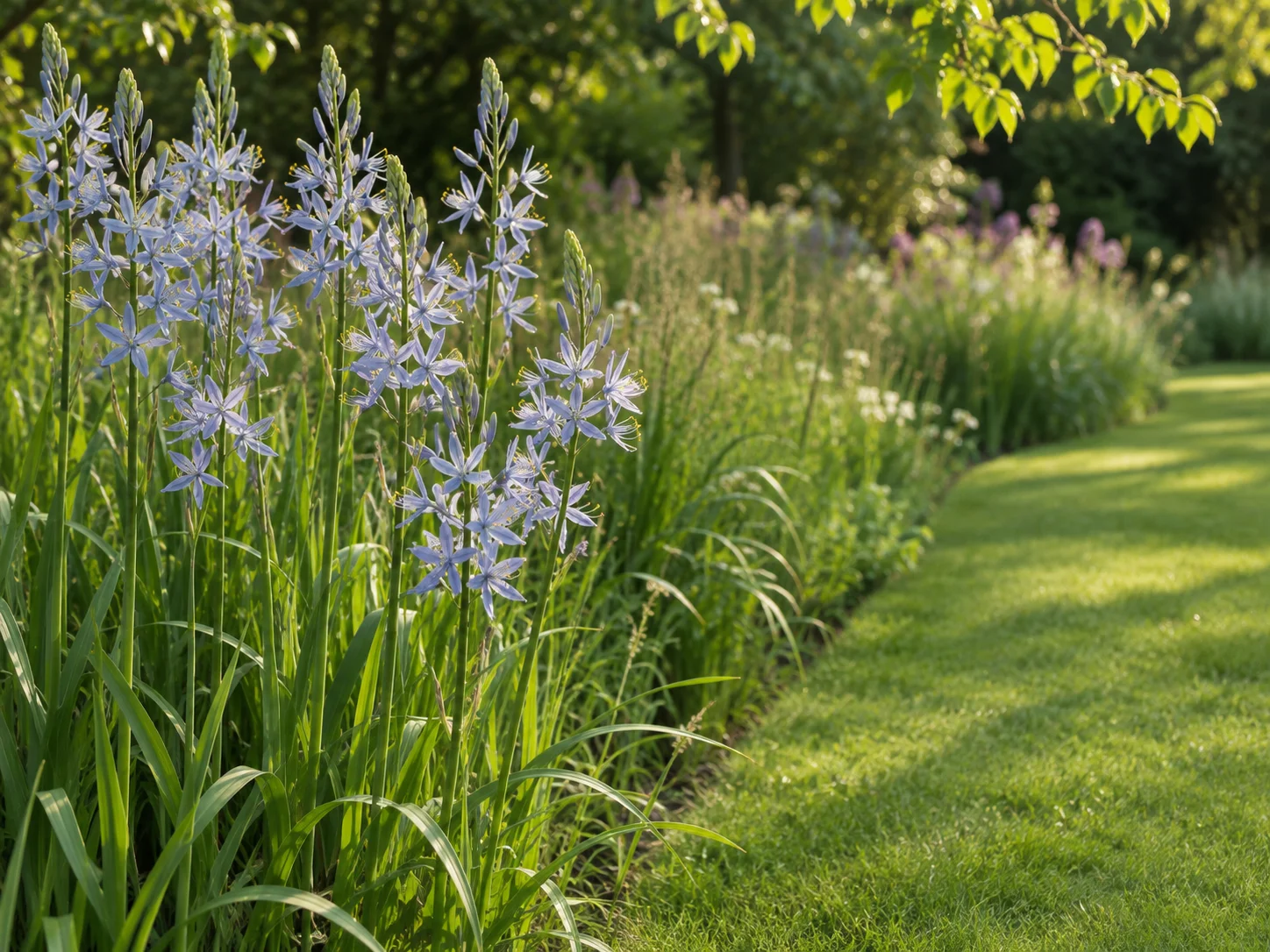
Camassia, a North American native, sends up starry blue spikes 2.5 to 4 feet tall in April and May, bridging the gap between tulips and summer perennials. It is one of the few bulbs that tolerates wet clay, and it slowly forms colonies without turning weedy.
- Planting: 4 to 6 inches deep and 6 inches apart in fall.
- Wildlife: deer and rabbit resistant.
- Zones: 5 to 9 for C. leichtlinii.
Skip it in a small, dry bed; it wants moisture in spring and room to rise above its neighbors.
14. Allium ‘Globemaster’ (Allium hybrid)
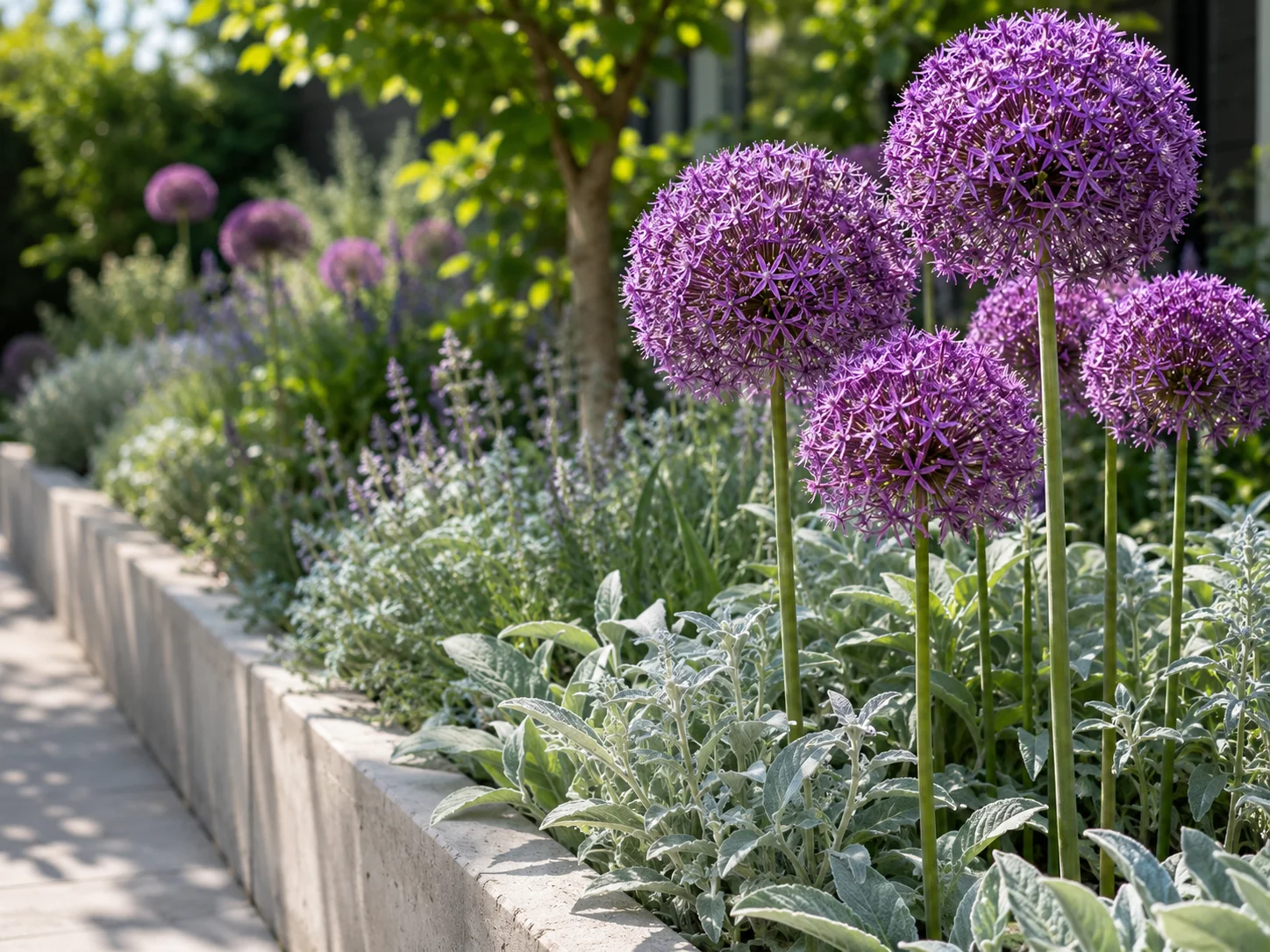
‘Globemaster’ produces purple globes the size of a grapefruit in May, floating on stems 1.5 to 2.5 feet tall. It is a sterile hybrid, so it won’t self-seed all over the bed, and deer and rabbits tend to avoid it.
- Planting: 4 to 6 inches deep (about three times the bulb’s diameter) and 12 inches apart in fall.
- Site: full sun and dry to medium soil; bulbs can rot in soil that stays wet.
Skip it in pet beds where digging is likely; ornamental alliums are close relatives of onions, which are toxic to cats and dogs.
15. Surprise Lily (Lycoris squamigera)
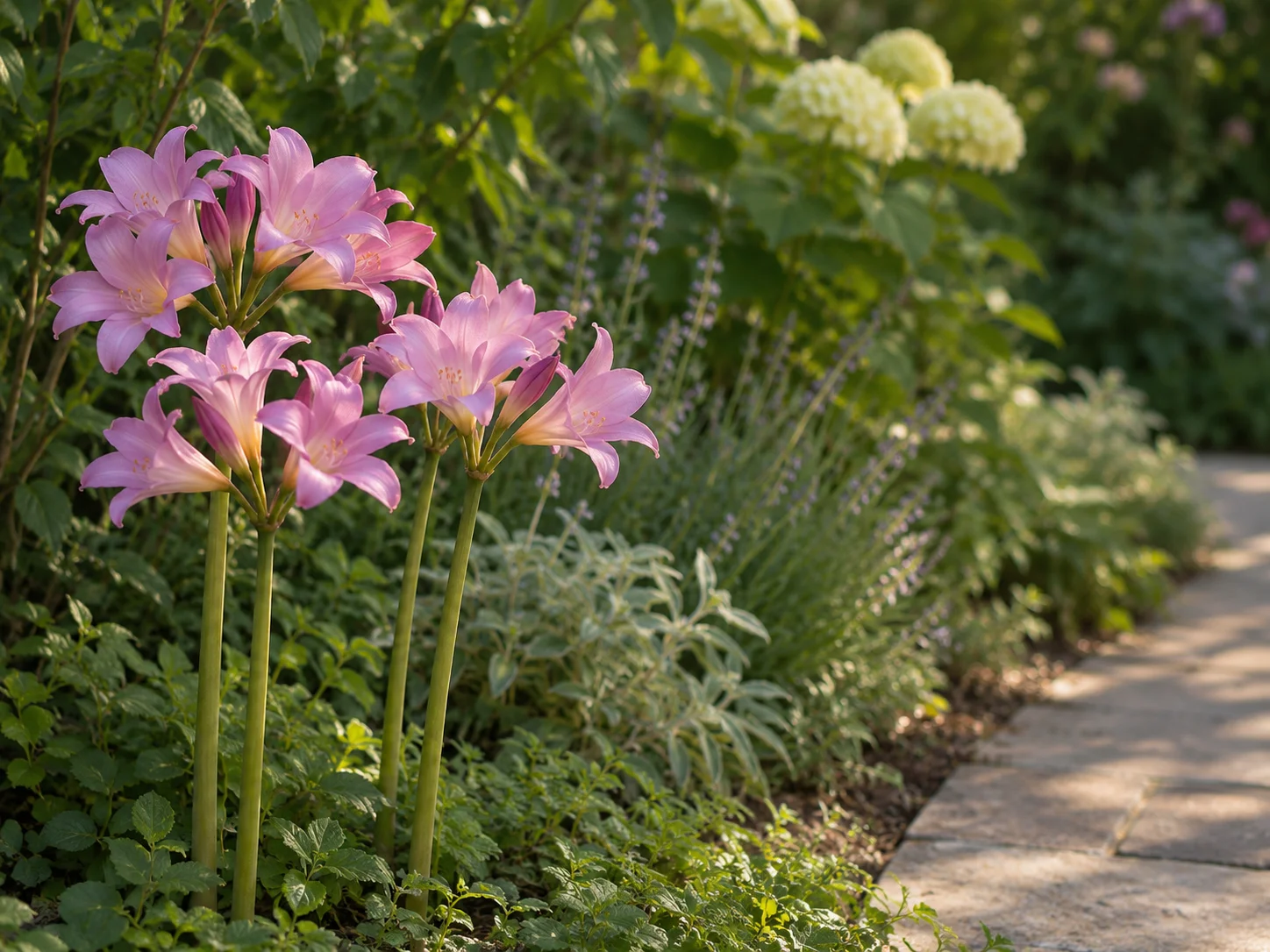
The surprise lily earns its name. Its leaves appear in late winter, die back by late spring, and then in August or September bare stems shoot up with clusters of pink trumpets, as if out of nowhere. Once settled, it can persist for many years.
- Placement: among low groundcovers or perennials, so the bare stems have company.
- Patience: avoid moving it; it won’t bloom the year after it is divided.
- Wildlife: deer and rabbit resistant.
Skip it if you want spring color only; it’s here for late-summer drama.
How to Pick the Right Bulbs for Your Yard
Start with your zone, then your critters, then your space. Those three filters cut this list down to the bulbs that will actually return for you.
By zone. Most of these bulbs need a real winter. In the warm Southeast, tulips can usually be counted on for only a single season, and hyacinth spikes shrink. Southern gardeners get better returns from daffodils, Grecian windflower, camassia and surprise lily, all rated to zone 9 in at least some forms. In zones 3 and 4, lean on snowdrops, crocus, glory-of-the-snow, winter aconite and species tulips.
By critters. Daffodils, grape hyacinth, hyacinth, camassia, allium and surprise lily are listed as deer and rabbit resistant. Tulips and new crocus plantings are the ones squirrels and voles go after.
By pets. In a home with a cat and a dog, the bed by the back door is the one that gets sniffed and dug, so that’s where a bulb’s toxicity matters most. Here’s the quick sort:
- Listed as non-toxic by the ASPCA: grape hyacinth.
- Listed as toxic to cats and dogs: daffodil, tulip, hyacinth and iris.
- Rated highly toxic: winter aconite.
- For any bulb not on the ASPCA list, ask your vet before planting where pets dig, and keep bags of bulbs out of reach while they wait to go in.
One more warning for cat owners: true lilies (Lilium) come back every year too, but the FDA warns that every part of a lily, including pollen and vase water, is toxic to cats and can cause kidney failure. Daylilies carry the same risk. That’s why they aren’t on this list. Our guide to safe houseplants for cats and dogs covers pet-safe choices for indoors.
By space. For lawns, use crocus tommasinianus. Under trees, snowdrops, glory-of-the-snow and winter aconite bloom before the canopy closes, which pairs nicely with the ideas in our shade flower garden guide. Pots work for a season, but roots in a container sit above ground and get colder than roots in a bed; see how to winterize potted plants on a balcony if you want to try keeping them.
For a long show. Pick one bulb from each window: snowdrops or aconite for February, crocus and iris for March, daffodils, grape hyacinth and glory-of-the-snow for April, camassia and allium for May, and surprise lily for late summer.
One to avoid near woods. Siberian squill (Scilla siberica) is sold as an easy spreader, and that is the problem. It can be invasive, especially in wooded areas, and it carries a high poison severity rating.
Care Basics for Bulbs That Return
Bulbs come back when they’re planted at the right depth in soil that drains, and when their leaves get time to refill the bulb after flowering. The steps are simple:
- Time it. Plant spring bulbs once the soil cools below 60°F, usually mid-September through October in the Northeast; most bulbs can still go in until the ground freezes.
- Get the depth right. Unless the bulb’s entry above gives a specific depth, the standard extension rule is planting at two to three times the height of the bulb, measured from the bottom. A 2-inch bulb goes 4 to 6 inches down.
- Plant in drifts, not rows. For a natural look, the Missouri Botanical Garden suggests planting bulbs in irregular clumps of five, seven or nine rather than in lines.
- Check drainage. Pick a spot where water doesn’t sit after rain. Wet soil rots most bulbs; camassia is the exception here.
- Feed at the right moment. If you fertilize, do it as shoots emerge in spring, not after the plants have started flowering.
- Leave the leaves. Let the foliage stay for at least six weeks after flowering, or until it turns yellow or brown. Cutting, braiding or mowing it earlier leaves a smaller, weaker bulb that can gradually die out.
- Divide crowded clumps. When a clump makes lots of leaves but fewer flowers, dig it after the foliage yellows and replant the bulbs farther apart.
If something goes wrong, this quick check helps sort the cause:
| What you see | Likely causes | Fix |
|---|---|---|
| Leaves but no flowers | Foliage cut too soon last year; crowding; too much shade; hybrid tulips aging out | Leave foliage longer, divide clumps, move to more sun, or switch to Darwin or species tulips |
| Holes and missing bulbs after planting | Squirrels or voles digging | Lay chicken wire over the bed until shoots appear; favor daffodils and allium |
| Soft, rotting bulbs | Poorly drained or constantly wet soil | Replant in a better-drained spot or raised bed |
| Tulips gone after one year in the South | Warm winters and hot summers | Treat hybrids as annuals; try species tulips |
Frequently Asked Questions
Do tulips come back every year?
Some do. Species tulips such as Tulipa tarda and T. clusiana can return and even spread for years in full sun and sharp drainage. Darwin hybrids are the longest-lasting of the big tulips, while most other modern hybrids bloom well for only three to four years and are treated as annuals in the warm South.
Which bulbs multiply and spread on their own?
The small ones are the best spreaders. Snowdrops, crocus, glory-of-the-snow, winter aconite and grape hyacinth multiply by offsets, self-seeding or both, and slowly turn a small group into a carpet. Daffodil clumps also thicken over the years, and camassia and summer snowflake form colonies without becoming weedy in most gardens.
Is it too late to plant bulbs in late fall?
Usually not. Most spring bulbs can still be planted until the ground freezes, so a November planting is fine in much of the country. Bulbs planted late may bloom a little later or shorter the first spring, then settle into their normal timing once their roots are established.
Do I need to dig up these bulbs after they bloom?
No. The bulbs on this list are meant to stay in the ground, and daffodils in particular can be left undisturbed for years. Dig them only when a clump gets crowded and flowers less, and do it after the leaves have yellowed so the bulbs are fully recharged.
Will bulbs in pots come back every year?
Less reliably than bulbs in the ground. Pots work well for one season, but roots in a container sit above ground and get colder than roots in a bed. For bulbs you want to keep for years, plant them in the garden, or protect the pot over winter.
Should I add bone meal when planting?
It’s rarely needed. University of Illinois Extension points out that most soils already have enough phosphorus, which is the main nutrient bone meal supplies. Good drainage and leaving the foliage to ripen matter far more for bulbs that return; if you want to feed, do it as shoots appear in spring.
How soon will fall-planted bulbs flower?
The first spring after planting. Snowdrops and crocus can open as early as February, daffodils and grape hyacinth follow in early to mid spring, and allium and camassia finish in May. The surprise lily is the outlier: it flowers in late summer, and a newly moved bulb may skip a year.
What Actually Matters
Most flower bulbs that come back every year are the modest ones: daffodils, the small spreaders like crocus and glory-of-the-snow, and tulips chosen from the species and Darwin groups. Match them to your zone and they’ll keep coming without replanting.
The one habit that decides whether they return is leaving the leaves alone after flowering. If pets share your yard, start with grape hyacinth near the house and keep the toxic bulbs where nobody digs.
This fall, check your soil temperature, order a bag of daffodils and a bag of a minor bulb, and get them in before the ground freezes. Browse more ideas in our flower garden section while you wait for February.
Sources
- ASPCA Toxic and Non-Toxic Plants – Daffodil, Grape Hyacinth, Tulip, Hyacinth, Iris and Onion plant pages – pet toxicity for each bulb
- ASPCA – April Showers May Bring Spring Bulbs – spring crocus vs autumn crocus
- US Food and Drug Administration – Lovely Lilies and Curious Cats: A Dangerous Combination – lily toxicity in cats
- Missouri Botanical Garden Plant Finder – Galanthus nivalis, Eranthis hyemalis, Chionodoxa forbesii, Tulipa tarda, Leucojum aestivum, Camassia leichtlinii, Allium ‘Globemaster’ – zones, bloom, height, depth, naturalizing
- Missouri Botanical Garden – What Spring Flowering Bulbs Will Come Back Year After Year? – naturalizing bulbs, planting in clumps
- NC State Extension Gardener Plant Toolbox – Narcissus, Crocus, Muscari, Iris reticulata, Anemone blanda, Tulipa, Tulipa clusiana, Hyacinthus orientalis, Leucojum aestivum, Camassia, Lycoris squamigera, Eranthis hyemalis, Scilla siberica – zones, depth, wildlife resistance, poison severity
- Iowa State University Extension – How to Manage Potential Problems Growing Tulips – tulip decline and Darwin hybrids
- Rutgers NJAES – Fact Sheet FS1220, Spring Flowering Bulbs – planting depth, soil temperature, feeding, foliage
- Clemson Cooperative Extension HGIC – Spring Flowering Bulbs – six-week foliage rule, tulips in South Carolina, Iris reticulata, Anemone blanda tubers
- University of Illinois Extension – Planting Bulbs; Debunking Spring Flowering Bulb Myths – planting until the ground freezes, phosphorus
- University of Minnesota Extension – Siberian Squill – invasiveness.