


How to Clean Houseplant Leaves Naturally becomes obvious after one swipe across a dull Monstera leaf leaves a gray streak on the cloth. The plant may not be sick at all. It may simply be wearing a quiet layer of dust, cooking film, or dried water marks.
Most routine cleaning is pleasantly boring: lukewarm water, a soft cloth, and light pressure. The exceptions matter, because an African violet, cactus, and rubber plant should not receive the same treatment.
While comparing university extension guidance with viral leaf-shine hacks for GrowDwell, I kept finding the same low-risk starting point: use plain water first, then change the method only when the leaf texture or residue gives you a reason.
TL;DR
Most smooth houseplant leaves can be cleaned safely with lukewarm water and a soft microfiber cloth, while fuzzy, spiny, or moisture-sensitive foliage is better handled with a clean dry brush. Sticky leaves, fine webbing, cottony clusters, or raised bumps need a pest inspection before ordinary cleaning begins.
- For How to Clean Houseplant Leaves Naturally, start with lukewarm water and the gentlest suitable tool.
- Wipe broad leaves, rinse sturdy small-leaved plants, and dry-brush fuzzy foliage, succulents, and cacti.
- Skip shine sprays, oils, milk, mayonnaise, and banana peels because they leave residue.
- Use separate cloths on suspicious plants, and keep cats and dogs away from wet foliage, runoff, and used cleaning materials.
Best overall: Use a damp microfiber cloth for broad leaves and a dry soft brush for fuzzy foliage. Inspect sticky or webbed leaves for pests before applying anything.
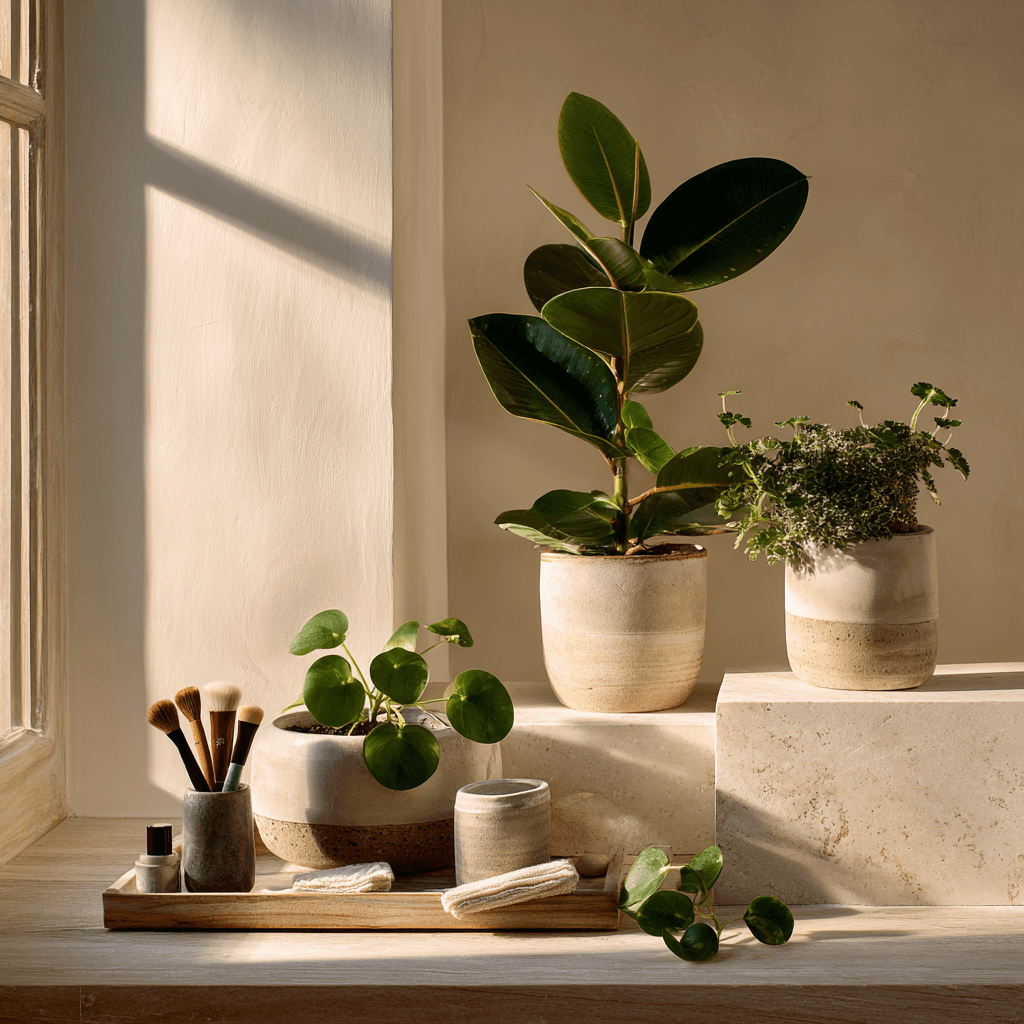
What You’ll Need
You need lukewarm water, two clean microfiber cloths, a soft brush, and a towel or tray for routine cleaning. Add a spray bottle for stationary plants, a loose soil cover for rinsing, and filtered water only when tap water leaves mineral spots.
- Essential: One damp microfiber cloth, one dry cloth, lukewarm water, and a clean towel.
- For textured leaves: A soft makeup brush, pastry brush, or artist’s brush reserved for plants.
- For apartment cleanup: A shallow tray, towel, waterproof mat, and loose soil cover.
- For hard-water homes: Filtered or distilled water for the final wipe on broad leaves.
- For inspection: Cotton swabs and a bright lamp.
- For a suspicious plant: A separate cloth or disposable paper towel that will not touch healthy plants.

If space is tight: Use a sink, shower tray, shallow basin, or waterproof tray over a towel. For a plant above carpet, spray the cloth instead of the leaves.
If you have a curious cat or dog: Keep used tools, runoff, and treatment products out of reach. The ASPCA Animal Poison Control Center recommends professional help after suspected poisoning.
Do not add detergent, vinegar, oil, milk, mayonnaise, or fruit peel. Routine dust rarely needs a recipe.
Choose the Right Cleaning Method by Leaf Type
Match the method to the leaf surface: wipe broad smooth leaves, rinse sturdy small-leaved plants, and dry-brush fuzzy, waxy, or spiny foliage. Then identify the residue, because dust, minerals, grease, honeydew, webbing, and spreading growth require different responses.
| Leaf type | Examples | Best method | Main risk | Apartment and pet note |
|---|---|---|---|---|
| Broad and smooth | Monstera, rubber plant, peace lily, philodendron | Damp cloth, base to tip | Tearing or mineral streaks | Use a towel and secure wet cloths |
| Many small leaves | Pothos, spider plant, small ferns, some palms | Gentle lukewarm rinse | Soaked soil or strong spray pressure | Cover soil and drain fully |
| Fuzzy or hairy | African violet, rex begonia, panda plant | Clean dry soft brush | Water spots or damaged hairs | Brush over a tray |
| Waxy rosette | Many succulents | Dry brush or gentle air movement | Water trapped in the crown | Keep runoff away from pets |
| Spiny or jointed | Cacti | Long, soft dry brush | Spines, broken growth, trapped moisture | Stabilize the pot |
Smooth, Broad Leaves
Monstera, rubber plant, peace lily, philodendron, and Dracaena leaves respond well to a damp cloth. Support the underside, wipe base to tip, and clean split leaves section by section, as described in this Monstera care guide.
Many Small Leaves
Pothos, spider plants, small ferns, and some palms are faster to rinse gently than wipe individually. Gather trailing stems loosely and check soil moisture first using these pothos care basics.
Fuzzy or Hairy Leaves
African violets, rex begonias, and panda plants trap dust in fine hairs. Use a clean dry brush in the direction of growth.
Succulents and Cacti
Dry-brush powdery, waxy, spiny, or tightly layered plants. Keep water out of crowns, rosettes, joints, and dense growth.
Before You Start
Inspect the plant before cleaning because sticky leaves, fine webbing, raised bumps, cottony clusters, or spreading white patches may indicate pests or disease rather than ordinary dust. Isolate anything suspicious, check the soil moisture, protect the floor, and prepare a separate tool before you touch the rest of your collection.
- Inspect leaf tops, undersides, stems, leaf axils, the pot rim, and saucer.
- Isolate suspicious plants and reserve a separate cloth.
- Check whether the potting mix is already saturated.
- Cover the soil loosely and place a towel or tray below.
- Use lukewarm water and avoid harsh direct sun.
- Keep cats and dogs away until the area is dry.

Clean normally: Loose gray dust and removable water rings can follow the method table. Isolate first: Sticky honeydew, webbing, insects, cottony material, fixed bumps, or spreading patches need diagnosis.
The University of Minnesota Extension recommends checking plants during watering and cleaning, and it identifies shiny sticky honeydew as a clue associated with aphids, mealybugs, and scale insects.
How to Clean Houseplant Leaves Naturally, Step by Step
The safest process is to identify the leaf and residue, isolate pest-affected plants, protect the room and potting mix, remove loose dust, use the correct water or dry method, treat stickiness as a symptom, and finish by drying the foliage and cleaning every tool that touched it.
Step 1: Identify the Leaf Type and Residue
Name the leaf surface and the material on it. A dusty smooth Monstera is straightforward, while a fuzzy African violet with pale patches or a sticky pothos needs more care.
- Dust: Dry, gray, and easy to disturb.
- Greasy film: Tacky and likely to smear before lifting.
- Mineral spots: Pale rings left after droplets dry.
- Honeydew, webbing, or cottony clusters: Pest warnings that need isolation.
- Spreading powdery growth: Possible disease material, not polishable dirt.
While comparing extension guidance with viral hacks, I found plain water repeatedly recommended as the safest first test. It also reveals whether a mark is removable or inside the tissue.

Takeaway: Identify the surface first, because a cleaning method cannot fix a pest, disease, or damaged patch hiding under the word “dirt.”
Step 2: Check for Pests and Isolate the Plant
Inspect leaf undersides, stems, nodes, axils, pot rim, and saucer. Scale resembles fixed bumps, mealybugs look cottony, spider mites leave fine webbing, and aphids cluster on soft growth.
Move a suspicious plant away before wiping. Use a separate cloth, change it often, and wash or discard it before touching healthy plants.
The University of Minnesota Extension specifically advises changing towels often to reduce pest spread. It also recommends isolating newly acquired plants for one to two weeks so hidden problems have time to appear.
Cleaning can remove honeydew and a few loose insects, but it does not end an infestation. Identify the pest, use an extension-supported treatment, and follow the product label.

Takeaway: Clean suspicious plants last, with separate tools, because cross-contamination is easier to prevent than to undo.
Step 3: Protect the Soil, Floor, and Pets
Before rinsing, cover the soil loosely without sealing the stem. Reduce soil splash and saturation while keeping drainage holes open.
I have found that the mess makes this job easy to postpone. A two-minute towel-and-cover setup keeps a ten-minute task controlled.
For heavy plants or homes with pets: Work over a waterproof tray, mist the cloth instead of the plant, and block pet access until foliage, runoff, and tools are dry.

Takeaway: Protecting the room, soil, and pets before cleaning is faster than repairing water damage or managing an avoidable exposure later.
Step 4: Remove Loose Dust First
Remove loose dust before adding water so it does not become muddy streaks. Use a dry cloth on broad leaves; for fuzzy, spiny, or sensitive foliage, dry brushing may be the entire method.
Support broad leaves underneath and wipe base to tip with light pressure. Two or three light passes are safer than one forceful scrub. Do not pinch, scrub in circles, or tug across splits.

Cleaning Fuzzy and Sensitive Leaves
Use a clean, dry soft brush on African violets, rex begonias, panda plants, powdery succulents, and cacti. Brush in the natural direction of growth and let the bristles enter creases gently instead of forcing them between leaves.
Iowa State University Extension says fuzzy-leaved plants can be cleaned with a soft-bristled brush. Its guidance also places clear water ahead of complicated products for nearly all routine foliage cleaning.
Takeaway: Light pressure protects leaf tissue, and dry brushing prevents avoidable moisture from settling in sensitive surfaces and crowns.
Step 5: Clean With the Correct Water Method
For broad leaves, use a well-wrung damp cloth on the top and underside. For sturdy small-leaved plants, test a gentle sink or shower spray first, cover the soil, and direct water away from the crown.
I used to assume every leaf needed wiping. For a sturdy pothos or spider plant, a low-pressure rinse can reduce a twenty-minute chore to several minutes.
Iowa State University Extension supports gentle lukewarm rinsing, while the University of Minnesota Extension recommends damp wiping for large leaves and rinsing smaller sturdy plants.
If the soil is already wet: Skip the shower and wipe instead. Gather spider plant leaves loosely near the pot, using the same gentle handling shown when you propagate spider plant babies.


Takeaway: Use enough water to lift dirt, but not enough pressure or runoff to damage foliage or accidentally water saturated soil again.
Step 6: Treat Sticky Residue as a Symptom
Do not polish sticky leaves. Aphids, mealybugs, and scale produce honeydew, so wiping the shine removes evidence only briefly. If stickiness returns within several days, inspect again instead of cleaning harder.
Remove loose residue with water, then treat the identified pest separately and follow the label. For mineral marks, try filtered or distilled water and dry the leaf; a mark that does not change may be damaged tissue. Iowa State guidance emphasizes correcting the underlying cause, not only the visible symptom.
Takeaway: Reappearing stickiness means the source is still present, so clean the residue once and direct the real effort toward accurate pest control.
Step 7: Dry the Leaves and Sanitize Everything
Air-dry or blot broad leaves, empty saucers, and check crowns. Wash pest-contact cloths separately, clean tools, and discard contaminated material in a closed bin.
The University of Minnesota Extension warns against spreading insects or disease from one plant to another while cleaning. It also advises wiping both the upper and lower surfaces where the plant’s structure allows it.
I have found that this routine is easier to maintain when it rides along with watering day instead of becoming a separate plant-cleaning project. A thirty-second inspection each week is more useful than an aggressive polishing session every few months.

Takeaway: Dry foliage and clean tools close the loop, preventing standing water and yesterday’s pest residue from joining tomorrow’s plant-care routine.
Common Mistakes to Avoid
The main mistakes are adding shine-producing food or oil, using concentrated cleaner, wetting sensitive foliage, spraying too hard, and carrying one dirty cloth through the collection. Clean leaves should feel like leaves, not polished furniture, and they should never remain coated after routine care.
- Using commercial leaf-shine products: The University of Minnesota Extension says they are unnecessary and may clog leaf pores.
- Using mayonnaise or milk: Food residue can attract pets or pests.
- Using concentrated vinegar: Acidity can injure sensitive leaf surfaces.
- Using detergent routinely: Iowa State University Extension warns it can damage the waxy cuticle and cause browning.
- Scrubbing the leaf: Pressure can bruise tissue, tear edges, or damage fine surface hairs.
- Wetting fuzzy foliage unnecessarily: A dry brush offers better control for routine dust.
- Letting water sit in crowns: Rosettes and dense joints can hold moisture after the rest of the plant looks dry.
- Reusing one cloth everywhere: It can move insects or disease material from a problem plant to a healthy one.
- Putting a treated plant in direct sun: Wet or product-coated foliage may be more vulnerable to spotting or injury.
- Leaving materials within pet reach: Used cloths and wet work areas can be as interesting to a pet as the plant itself.
The mistake to remember is coating the leaf when the real goal is simply to remove what does not belong there.
Troubleshooting
If a plant stays dull, decide whether the mark is mineral residue, tissue damage, honeydew, disease, or a naturally matte finish. Stop repeated scrubbing, note whether the mark changes or returns, and use several days of observation before choosing the next action.
The Leaves Still Look Dull
Some leaves are naturally matte. If gentle cleaning removes nothing else, stop; brown edges, bleached patches, and scars are tissue damage, not surface dirt.
White Spots Return After Drying
Repeated rings usually suggest minerals. Use filtered or distilled water, dry broad leaves, and treat unchanged sharp-edged marks as possible tissue damage.
The Leaves Feel Sticky Again
Reinspect undersides, stems, and new growth for aphids, scale, and mealybugs. Cleaning removed the honeydew, but a quick return of stickiness indicates the source is still feeding.
Brown or Pale Spots Appeared After Cleaning
Possible causes include harsh ingredients, wrong water temperature, rubbing, direct sun, or trapped moisture. Stop treatments, provide suitable indirect light, and monitor new growth.
The Potting Mix Became Soaked
Let the pot drain, empty the saucer, and delay the next watering until the plant needs it. Next time, cover the soil more effectively or switch to wiping.
The Plant Is Too Large to Move
Work in place over a waterproof tray, top to bottom, spraying the cloth instead of the plant. For large specimens, pair cleaning with the inspection rhythm in this philodendron care guide.
A Cat or Dog Contacted a Cleaning Product
Remove access, check the label, and do not improvise a home remedy. Contact your veterinarian or the ASPCA Animal Poison Control Center at (888) 426-4435 after suspected harmful exposure.
FAQ
Can cleaning houseplant leaves damage the plant?
Yes, cleaning can damage leaves if you scrub, use harsh ingredients, apply strong water pressure, or leave moisture trapped in crowns. Use lukewarm water, light pressure, and a method matched to the leaf texture. Broad smooth leaves tolerate damp wiping, while fuzzy, powdery, or spiny foliage is safer with a clean soft brush.
What is the safest natural way to clean houseplant leaves?
The safest natural method is plain lukewarm water with a soft microfiber cloth. Support broad leaves underneath and wipe gently from base to tip, cleaning both surfaces when practical. For sturdy plants with many small leaves, use a low-pressure rinse; for African violets, succulents, and cacti, use a dry soft brush instead.
How often should I clean houseplant leaves?
Clean houseplant leaves when visible dust, mineral marks, or grime begins to collect rather than following a rigid schedule. A quick inspection during weekly watering usually catches problems early, while a deeper wipe may only be needed every few weeks or months. Plants near kitchens, open windows, or busy roads may need cleaning more often.
Can I use milk, vinegar, oil, or banana peels to shine leaves?
No, milk, oils, mayonnaise, banana peels, and concentrated vinegar are poor routine choices for houseplant leaves. They can leave residue, attract pets or pests, irritate sensitive tissue, or create an artificial shine that hides the real problem. Plain water removes ordinary dust without coating the leaf, and it is the safest first test.
Why are my houseplant leaves sticky again after cleaning?
Sticky leaves usually return because sap-feeding pests are still producing honeydew. Inspect leaf undersides, stems, nodes, axils, the pot rim, and nearby surfaces for aphids, mealybugs, scale, or whiteflies. Isolate the plant, use separate tools, and treat the identified pest according to extension guidance or the product label instead of polishing repeatedly.
How do I clean fuzzy houseplant leaves without water spots?
Use a clean, dry, soft-bristled brush on fuzzy houseplant leaves. Brush gently in the natural direction of growth, supporting the leaf when necessary, and let the bristles lift dust from hairs and creases without scrubbing. This method suits African violets, rex begonias, panda plants, powdery succulents, and many cacti where trapped moisture can cause problems.
What Actually Matters
How to Clean Houseplant Leaves Naturally comes down to one habit: use the gentlest method that matches the leaf, and treat anything sticky, webbed, cottony, or spreading as a diagnosis problem before treating it as dirt. Natural texture matters more than artificial shine.
Start with one broad-leaved plant, one damp cloth, and five quiet minutes. Support each leaf, wipe from base to tip, check the underside, and stop when the surface is clean rather than artificially shiny.
I would rather see a naturally matte leaf with a few honest marks than a glossy leaf coated in a pantry experiment. Clean according to visible need, keep tools separate around pests, and fold the inspection into watering day.
That first gray streak on the cloth is enough proof. Sometimes the plant did not need more fertilizer, more spray, or more fussing. It just needed the dust taken off.