
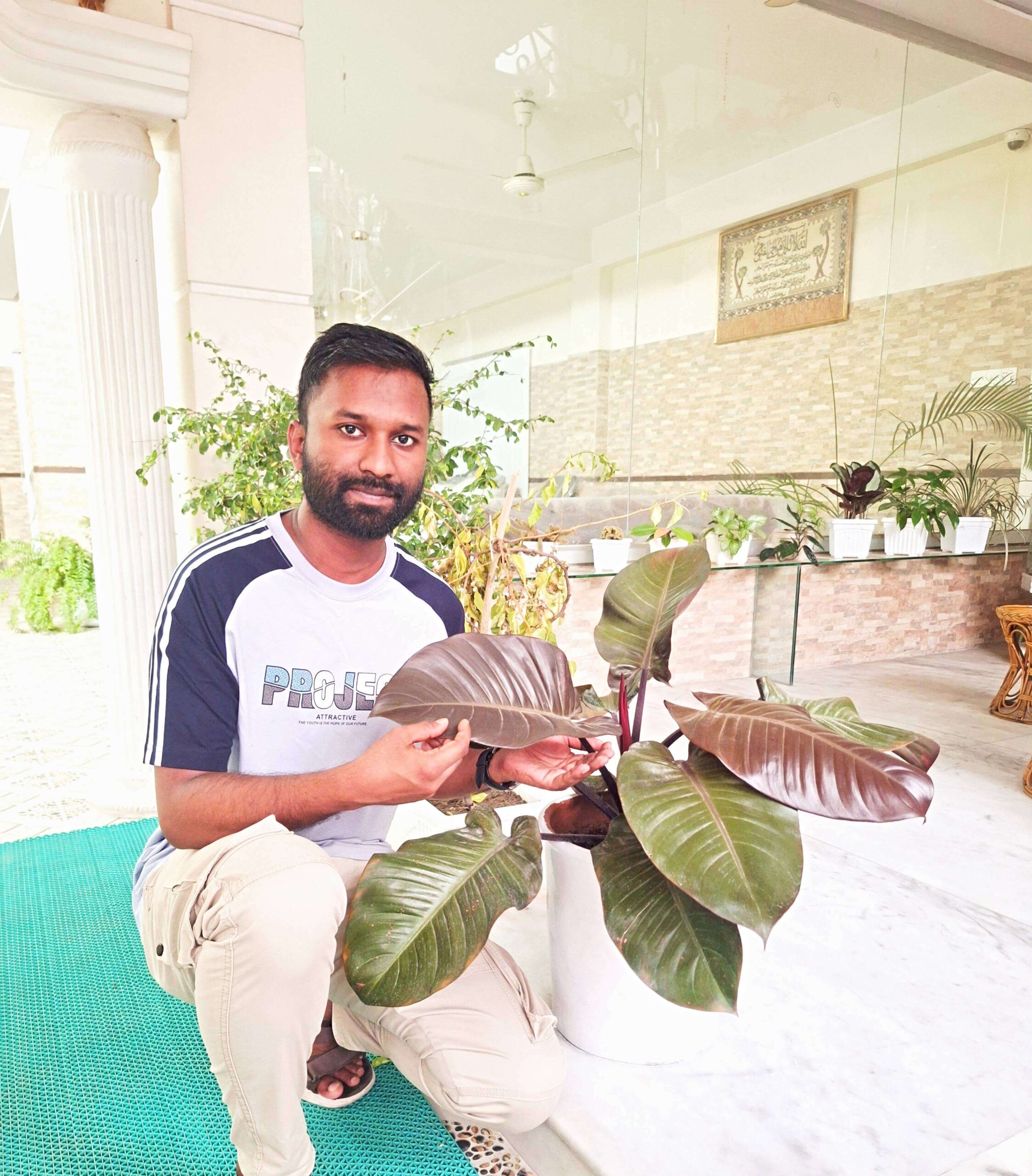

Bird of Paradise Plant Care Indoor starts with one quiet warning sign: one leaf leans toward the window, the soil stays wet for days, and your statement plant suddenly feels a little too statement-making.
Most beginners do not fail with this plant because they ignore it. They fail because they treat it like a small, forgiving tabletop plant.
It is not that. A Bird of Paradise is a bright-light, floor-pot, space-hungry foliage plant indoors. I like it, but I would never call it casual.
TL;DR
Bird of Paradise can grow indoors if you give it very bright light, deep but infrequent watering, a draining pot, and enough floor space for large leaves to spread without getting bumped every day.
- Bird of Paradise Plant Care Indoor works best beside your brightest window, not in a dark decorative corner.
- Water deeply, then wait until the upper soil dries before watering again.
- It is toxic to cats and dogs, so pet access matters from day one.
- Most indoor plants grow for foliage, not flowers, and that is normal.
The beginner shortcut is simple: solve light and drainage before you adjust anything else.

Bird of Paradise Plant Care Indoor: Quick Overview
Bird of Paradise is a tropical-looking houseplant grown indoors mainly for its large upright leaves, not reliable flowers, and the two common types differ enough that apartment size should affect which one you buy.
The orange Bird of Paradise, Strelitzia reginae, is the smaller classic type. The white Bird of Paradise, Strelitzia nicolai, can become much larger and more tree-like.
NC State Extension describes Strelitzia reginae as a plant that prefers sunny indoor placement and well-drained soil. Its listing for Strelitzia nicolai also makes the size warning clear: this is a clumping, upright plant with banana-like leaves.
If you are choosing between types: pick S. reginae for a more manageable floor plant, and think twice before bringing home S. nicolai for a narrow room.
Takeaway: buy the size your room can support in two years, not just the size that looks good on delivery day.

Is Bird of Paradise a Good Indoor Plant for Apartments?
Bird of Paradise is a good apartment plant only if your apartment has strong light, stable floor space, and a safe location away from pets, vents, and tight walkways.
I have found this is where beginners get misled. The plant looks like decor, but it behaves more like a small indoor tree. It wants a bright window, a pot with real drainage, and enough room for leaves that can easily reach 2 to 4 feet long indoors.
It may fit your apartment if: you have an east, west, or south-facing window, a corner that does not get brushed by people, and enough ceiling height for upright growth.
It may not fit your apartment if: your best plant spot is a dark north window, your cat chews leaves, or your only open corner is beside a heater.
If your room is genuinely dim, a plant from a guide like snake plant care may be a better first win.
Takeaway: Bird of Paradise is beginner-manageable, but it is not small-space forgiving.

Light Requirements
Bird of Paradise needs very bright indoor light, and weak light is the first thing to check when leaves lean, growth slows, or the soil stays wet too long.
The best indoor spot is usually right beside an east, west, or south-facing window. A few feet back can be fine in a very bright room, but 8 or 10 feet from the glass is usually too far for steady growth.
If you have a north-facing window: expect slow growth unless the window is unusually bright or you add a strong grow light. I would not blame fertilizer if a Bird of Paradise sulks in that spot for 6 weeks.
If you have direct sun: acclimate the plant gradually. Move it closer over 1 to 2 weeks so leaves do not scorch after living in softer nursery light.
Wisconsin Horticulture Extension frames Bird of Paradise as a plant that can be grown indoors outside warm climates, but its light needs still come from a sun-loving outdoor habit.
Takeaway: put the plant where you would happily read without turning on a lamp during the day.

Watering Schedule
Bird of Paradise should be watered deeply, then left alone until the upper part of the potting mix dries, because shallow weekly sips and fixed calendar watering both create problems in large indoor pots.
In a small pot, the top 2 inches drying may be enough to water again. In a deep floor planter, the top can feel dry while the lower half is still damp. That is where beginners get trapped.
I like the skewer test for large pots. Push a plain wooden skewer deep into the mix, leave it for a minute, then check whether it comes out damp. If the lower soil is wet after 7 days, wait.
Signs of too much water: yellowing lower leaves, soft stems near the base, fungus gnats, a sour soil smell, or soil that stays wet for more than a week.
Signs of too little water: curling leaves, dry edges, drooping that improves after watering, and soil pulling away from the pot wall.
NC State Extension recommends more water during spring and summer growth and drier conditions in winter for Strelitzia reginae, which matches what indoor growers see when light drops.
Takeaway: water the whole root ball, then wait for real dry-down before repeating.

Soil and Potting Mix
Bird of Paradise grows best indoors in a fertile, fast-draining potting mix that holds some moisture but still lets extra water leave quickly through drainage holes.
A basic indoor potting mix can work if it is not dense and muddy. For a safer renter-friendly mix, I would add chunky aeration such as orchid bark, perlite, or pumice.
The pretty planter problem is real. A nursery pot dropped inside a sealed basket or ceramic cachepot can look clean for photos, but water can pool invisibly at the bottom.
If you use a cachepot: lift the nursery pot out after watering, let it drain fully, then empty any standing water before sliding it back in.
This same drainage lesson applies to other dramatic foliage plants too, including fiddle leaf fig care, where wet roots and low light often team up.
Takeaway: the best-looking pot is still a bad pot if it traps water around the roots.

Pot Size, Stability, and Repotting
Bird of Paradise should be repotted only when the roots need space or the plant becomes unstable, not simply because a larger decorative planter looks better in the room.
A slightly snug pot is not an emergency. This plant often grows well when the roots are firm in the container, as long as water drains and the mix is not compacted.
I would rather see a slightly snug Bird of Paradise in a stable draining pot than a huge wet pot chosen because it filled a corner nicely. In one large planter, a 3-inch jump in diameter can mean a lot more wet soil around the roots.
Repot if: roots circle heavily, water runs straight through, the plant tips easily, or growth has stalled during the active season despite good light.
Do not rush repotting if: it is winter, the soil already stays wet too long, or the plant is adjusting after delivery.
Takeaway: stability, drainage, and timing matter more than pot size alone.

Humidity and Temperature
Bird of Paradise tolerates average indoor humidity better than many beginners expect, but dry heated air, cold drafts, and sudden temperature swings can still cause brown edges and curled leaves.
Average home humidity is usually acceptable if watering and light are right. The problem is placement. A plant beside a heating vent, radiator, or cold window glass can look thirsty even when the soil is not ready for more water.
If leaf tips brown in winter: check the room first. Is warm air blowing across the leaves for hours? Is the pot against cold glass at night? Those details matter.
I do not treat misting as a serious fix. It may make you feel helpful for 30 seconds, but it does not change dry room air for long. A pebble tray helps a little. Distance from vents helps more.
Takeaway: steady warmth and smart placement beat daily misting.

Fertilizing
Bird of Paradise benefits from light feeding during active spring and summer growth, but fertilizer will not fix low light, soggy soil, cold stress, or a pot with poor drainage.
Use a balanced indoor plant fertilizer at a diluted rate during the growing season. Once a month is enough for many indoor plants in good light.
Skip feeding in winter if growth has slowed. Also skip feeding a stressed plant until you know the cause. I have seen brown tips get worse after feeding when the real issue was dry vent air plus mineral buildup.
If you see white crust on soil: flush the pot with clean water if it drains well, or refresh the top layer of mix. Heavy salts can bother roots.
Takeaway: fertilizer supports good care, but it cannot replace good light.
Pruning and Leaf Care
Bird of Paradise pruning is mostly about removing damaged leaves and keeping the large leaf surfaces clean, because normal indoor leaf splits are usually cosmetic rather than a sign of failure.
The split leaves bother people at first. I understand it. A new leaf opens clean, then a week later it looks like someone argued with it.
Some splitting is natural on large paddle leaves, especially where air movement, foot traffic, or brushing against furniture happens. Cut only leaves that are mostly brown, badly bent, or pulling energy from the plant.
Wipe leaves with a damp cloth every 2 to 4 weeks. Dust blocks light, and this plant needs all the light it can get indoors.
If you like large-leaf plants but want a different growth habit, monstera care has a similar light-and-leaf-cleaning rhythm with a vining structure.
Takeaway: clean the leaves, accept some splits, and prune only what is truly done.

Propagation Basics
Bird of Paradise is propagated indoors by division, not by leaf or stem cuttings, so the easiest time to multiply it is when a mature clump is already being repotted.
This is one of the myths worth correcting gently. A cut leaf in water may stay green for a while, but it will not turn into a new Bird of Paradise plant.
UF/IFAS Gardening Solutions lists division as a propagation method for Bird of Paradise. That means separating a piece with roots and a growing fan, not taking a decorative leaf cutting.
Divide only if: the plant is mature, has multiple fans, and you are already repotting during active growth. Each division needs roots, leaves, and a pot that drains.
Seeds are possible, but they are slow and not the practical beginner route.
Takeaway: if there are no roots attached, it is not propagation.

Common Problems and Fixes
Most Bird of Paradise problems indoors trace back to light, water, dry air, pests, or unrealistic flowering expectations, so diagnosis should start with conditions before you cut leaves or add fertilizer.
Yellow leaves
Yellow lower leaves often point to overwatering, low light, or normal aging. If several leaves yellow at once and the soil smells sour, check roots and drainage first.
Brown tips
Brown tips usually come from dry air, inconsistent watering, mineral buildup, or stress from heat vents. Trim the brown edge if it bothers you, but fix the cause.
Curling leaves
Curling leaves can mean the plant is thirsty, too dry, too hot, or sitting in harsh direct sun before acclimation. Check soil depth before watering again.
Drooping
Drooping can come from both drought and root trouble. If the pot feels light and the mix is dry, water deeply. If the soil is wet, do not add more.
Pests
University of Minnesota Extension recommends regular inspection for indoor plant pests such as mealybugs, scale, fungus gnats, and spider mites. Check leaf undersides and stems weekly, especially after bringing home a new plant.
No flowers
Indoor Bird of Paradise plants rarely flower without strong light, maturity, and steady conditions. Treat blooms as a bonus, not the standard of success.
If your issue is mainly drooping after watering, the troubleshooting process overlaps with peace lily drooping fixes: check soil moisture before reacting.
Takeaway: fix the room and roots before you blame the plant.

Pet Safety
Bird of Paradise is not a pet-safe houseplant, so homes with cats or dogs need a real placement plan instead of hoping the large leaves will be ignored.
The ASPCA lists Bird of Paradise Flower as toxic to cats, dogs, and horses, with vomiting and drowsiness among reported signs. If a pet chews the plant, contact your veterinarian or a poison control service.
Keep it if: your pet ignores plants, the pot can sit in a closed bright room, or the leaves are fully out of reach.
Relocate it if: your cat bats leaves, your dog brushes the pot daily, or the plant sits beside a favorite window perch.
Skip it if: you have a known leaf-chewer and no bright closed room. A safer plant is better than a pretty worry.
For beginners with pets who still want forgiving foliage, start with proven care habits from philodendron care, then check pet safety before buying any new plant.
Takeaway: toxic does not always mean impossible, but it does mean placement is part of care.

FAQ SECTION
Is Bird of Paradise too hard for beginners indoors?
No, Bird of Paradise is not too hard indoors if you can give it very bright light and a draining pot. The difficult part is apartment placement: dark corners, sealed cachepots, and tight walkways cause most problems. Treat it like a floor plant with tree-like needs, not a small tabletop houseplant.
How often should I water a Bird of Paradise indoors?
Water a Bird of Paradise deeply when the upper soil has dried, not on a fixed weekly schedule. In a floor planter, test deeper with a wooden skewer because the top can dry while the lower mix stays wet. Water more often in spring and summer, then less in winter.
How much light does Bird of Paradise need inside?
Bird of Paradise needs very bright indoor light, usually beside an east, west, or south-facing window. A few feet back can work in a bright room, but 8 to 10 feet from the glass is usually too dim. Acclimate gradually before giving stronger direct sun to avoid scorched indoor leaves.
Why are Bird of Paradise leaves splitting indoors?
Bird of Paradise leaves split indoors because the large paddle-shaped leaves naturally tear with air movement, brushing, and normal expansion. A split green leaf is usually cosmetic, not a care failure. Focus on cleaning dust every 2 to 4 weeks and prune only leaves that are mostly brown or badly damaged.
Is Bird of Paradise toxic to cats and dogs?
Yes, Bird of Paradise is toxic to cats and dogs, so pet access needs to be planned before placement. The ASPCA lists Bird of Paradise Flower as toxic to cats, dogs, and horses, with vomiting and drowsiness among possible signs. Use a closed bright room or barrier if pets chew plants.
Can Bird of Paradise grow flowers indoors?
Yes, Bird of Paradise can flower indoors, but most apartment plants are grown for foliage instead. Blooms usually need maturity, strong light, and steady conditions, so no flowers is normal in many homes. Judge success by upright growth, healthy new leaves, and stable dry-down between waterings before expecting rare blooms.
What Actually Matters
Bird of Paradise Plant Care Indoor works best when you stop chasing tiny care tricks and focus on the big three: bright light, drainage, and enough space.
Start by moving the plant to your brightest practical window. Then check whether the pot drains fully. After that, water by soil condition, not by a calendar reminder that repeats every Sunday.
If your plant has one torn leaf or a few brown tips, do not panic. Look at the whole pattern over 2 to 3 weeks. A stable plant with slow new growth is doing better than a fussed-over plant in a wet dark corner.
The first warning sign may be quiet: one leaf leaning, one pot staying damp, one corner not quite bright enough. Fix that early, and this dramatic plant becomes much less dramatic to live with.