
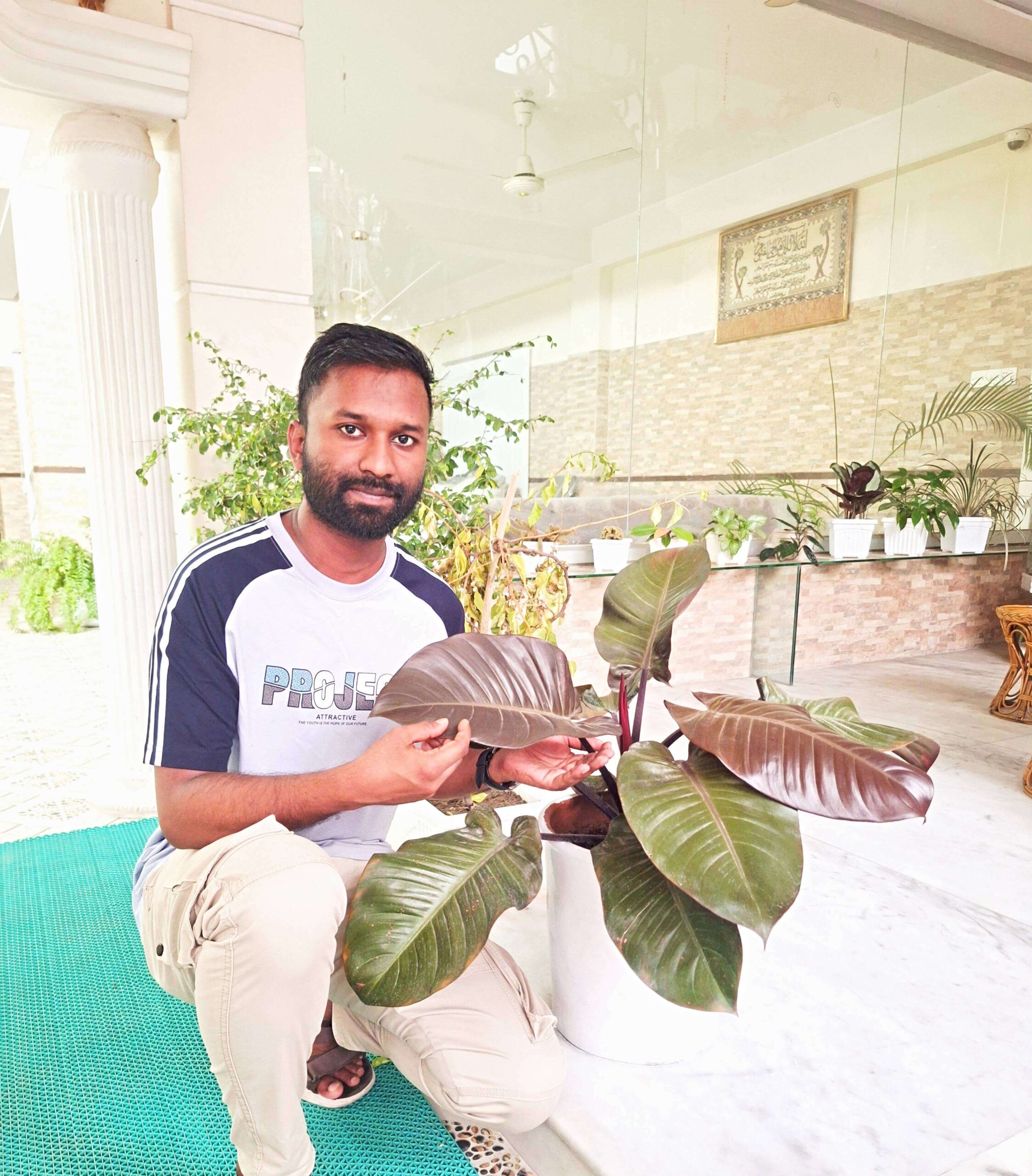
The first rare plant I researched was a Pink Princess Philodendron. After two hours of care guides, I closed the tab and bought a Hoya Kerrii cutting from a small grower instead. The list of rare houseplants every plant lover wants reads like a Pinterest fever dream, but half are doable in a normal apartment and half will quietly die on you.
That’s the gap most lists ignore. They treat a Calathea White Fusion (humidity diva) the same as a Hindu Rope Hoya (forgives anything). They skip the part about pet toxicity. They never mention that a premium variegated plant can revert to plain green on a north-facing window in a single winter.
This is the honest version, organized by what will actually survive in your apartment.

TL;DR
- The rare houseplants every plant lover wants, ranked by honest difficulty rather than Pinterest fame
- Most rare aroids are toxic to cats and dogs, with safety flags noted per pick from the ASPCA database
- Five beginner and intermediate picks are genuinely apartment-friendly. The other 10 need humidity setup or experience to look like the photos
- Honest sourcing guidance, plus the Etsy scams to walk away from
What “Rare” Actually Means in 2026
A plant is genuinely rare when supply is limited by slow tissue culture or genetics, not when Instagram says so. Most “rare” picks circulating in 2026 fall into one of three categories, and only one of them is truly hard to find.
Genuinely rare: Plants like Variegated Monstera Albo or Anthurium Crystallinum. Slow to propagate, often from cuttings only, with limited tissue culture supply. Prices stay elevated for years.
Trendy and recently scaled: Pink Princess Philodendron, Philodendron Birkin, and Thai Constellation were once collector-only. Tissue culture caught up. They are still beautiful, but you can find them at well-stocked nurseries now.
Used to be rare: Hoya Kerrii, Rhaphidophora Tetrasperma, and Stromanthe Triostar all had “rare” energy on Instagram around 2020. They are now mass-produced and stocked at Home Depot and Trader Joe’s. Calling them rare is mostly nostalgia.
The practical takeaway: a plant being expensive does not mean it’s hard to find, and a plant being trendy does not mean it’s hard to grow. Difficulty and rarity are separate questions, and this list treats them that way.
The 15 Rare Houseplants Every Plant Lover Wants, Ranked
The 15 picks below are organized by honest difficulty. Tier 1 plants survive apartment conditions with minimal effort. Tier 2 needs a humidifier or pebble tray. Tier 3 needs a setup investment to look like the Pinterest photo.
Tier 1: Beginner-Friendly Rare
1. Hoya Kerrii (Sweetheart Plant)
The famous single-heart-leaf-in-a-pot sold around Valentine’s Day is technically a Hoya Kerrii, but it has no growth node. It will sit there forever, never vining. Mine arrived from a big-box store and stayed exactly the same size for 14 months before I composted it. The full-stem vining cutting, sent later by a small grower, pushed three new leaves the first summer.
Light: Bright indirect. Tolerates a few hours of direct morning sun.
Water: Every 2 to 3 weeks. Succulent leaves store water.
Humidity: Average household (30 to 40%) is fine.
Pets: Non-toxic to cats and dogs per the ASPCA database.
Difficulty: Tier 1. Forgives neglect.
Honest verdict: Buy the vining version, not the single leaf. Cute is not the same as alive.

2. Hoya Carnosa Compacta ‘Hindu Rope’
Twisted, ropy curls of thick green leaves on a slow-growing woody vine. Often looks dead and isn’t. Mine forgave a 6-week stretch of skipped watering during a move. Iowa State Extension’s Hoya guidance backs this up: thick succulent leaves store water for long dry stretches.
Light: Bright indirect. Will bloom in a sunny window.
Water: Every 2 to 3 weeks. Let soil dry between waterings.
Humidity: 30 to 50% household humidity works.
Pets: Non-toxic to cats and dogs per ASPCA.
Difficulty: Tier 1. Slowest grower on this list, which is part of the appeal.
Honest verdict: If you killed your last three plants by overwatering, this is the rare plant to start with.

3. Philodendron Birkin
Dark green leaves with cream-white pinstripes radiating from the center vein. Originally a rare cultivar, now mass-produced through tissue culture, so it shows up at most well-stocked nurseries. The variegation pattern varies leaf to leaf, which is part of the charm.
Light: Bright indirect. Lower light reduces variegation contrast.
Water: When the top inch of soil is dry. Usually every 7 to 10 days.
Humidity: 50%+ ideal. Tolerates lower with some leaf-edge browning.
Pets: Toxic to cats and dogs (calcium oxalate crystals).
Difficulty: Tier 1 leaning Tier 2. Hardier than most variegated philodendrons.
Honest verdict: The easiest variegated philodendron to grow. A good first rare plant if Hoyas don’t appeal.

Tier 2: Intermediate (Apartment-Doable With Effort)
4. Rhaphidophora Tetrasperma (Mini Monstera)
Not actually a Monstera. The fenestrated leaves look similar but stay smaller, and the plant grows fast. Often mislabeled “Mini Monstera” or “Monstera Ginny.” A healthy specimen can push 6 to 8 inches of new vine in a single month given a moss pole and bright light.
Light: Bright indirect. Direct sun scorches leaves.
Water: When top inch is dry, usually weekly.
Humidity: 50 to 60% for best fenestration.
Pets: Toxic to cats and dogs.
Difficulty: Tier 2. Fast grower, which means quicker feedback on what’s working.
Honest verdict: The Monstera look without the floor-space commitment. Give it a moss pole or it will sprawl sadly.

5. Begonia Maculata (Polka Dot Begonia)
Silver polka dots on dark green angel-wing leaves with deep red undersides. Sends up clusters of small white flowers. Beautiful, finicky, dramatic about watering. Below 40% humidity, brown leaf edges appear within 2 to 3 weeks.
Light: Bright indirect. Morning sun OK.
Water: Consistent moisture, never soggy. Drops leaves when stressed.
Humidity: 50%+ minimum.
Pets: Toxic to cats and dogs.
Difficulty: Tier 2. Tells you immediately when it’s unhappy.
Honest verdict: A diva, but a forgiving one. Tells you with drooping leaves what it needs, then recovers within 48 hours of correction.

6. Syngonium ‘Pink Splash’ / ‘Mango Allusion’
Arrowhead-shaped leaves splashed with pink, cream, and pale green. Pink Splash leans more pink, Mango Allusion leans peach. Both can revert to solid green in low light, often within a year on a north-facing window.
Light: Bright indirect to preserve variegation.
Water: Weekly when top inch is dry.
Humidity: 50%+ for best leaf quality.
Pets: Toxic to cats and dogs.
Difficulty: Tier 2. Easy growth, demanding light for color retention.
Honest verdict: A pretty pink plant if you have an east window. On a north window, it will be a pretty green plant within a year.

7. Stromanthe Triostar
Pink, cream, and green variegated leaves with magenta undersides that fold up vertically at sunset and reopen by morning. In the Marantaceae family (prayer plant relative). Sensitive to tap water minerals and dry air.
Light: Bright indirect. Direct sun fades the pink.
Water: Keep evenly moist. Filtered or distilled water prevents leaf browning.
Humidity: 60%+ ideal. Below 50% causes crispy edges within 3 to 4 weeks.
Pets: Non-toxic to cats and dogs (Marantaceae family, listed safe by ASPCA).
Difficulty: Tier 2. Dramatic when unhappy, including completely flattening leaves.
Honest verdict: The most colorful pet-safe pick on this list. Worth the humidifier investment if you want plants that love humidity and you have curious cats.

8. Variegated String of Hearts (Ceropegia Woodii Variegata)
Trailing succulent vine with small pink-and-cream heart-shaped leaves on thin purple stems. Cornell Cooperative Extension notes that succulents tolerate dry indoor air well, and the variegated form holds that trait, making this the only truly apartment-easy rare trailing plant on this list.
Light: Bright indirect to direct morning sun. More light produces more pink.
Water: Every 2 weeks. Underwatering is the safer mistake.
Humidity: Standard household humidity, 30 to 40%, is fine.
Pets: Non-toxic to cats and dogs per ASPCA.
Difficulty: Tier 1 for survival, Tier 2 for keeping the pink color.
Honest verdict: The rare trailing plant that won’t punish you for forgetting it. Buy a longer strand than you think you need; growth is slow.

9. Philodendron Gloriosum
Heart-shaped velvet leaves up to 18 inches long with prominent white veins. A crawler, not a climber, which means it grows along the soil surface and needs a wide shallow planter. NC State Extension’s Plant Toolbox lists tropical understory philodendrons in this group as preferring filtered bright light, not direct sun.
Light: Bright indirect. East window ideal.
Water: When top inch is dry. The thick rhizome stores water.
Humidity: 60%+ for the velvet leaves to develop properly.
Pets: Toxic to cats and dogs.
Difficulty: Tier 2. Easier than its reputation, hard to find a planter that fits.
Honest verdict: Buy or build a wide, shallow trough planter before the plant arrives. Its rhizome wants to crawl, not coil.

Tier 3: Expert Only (Will Struggle in a Normal Apartment)
10. Pink Princess Philodendron
Dark, almost black leaves with hot pink variegation. The iconic “rare plant Pinterest dream.” Half the Etsy listings sell single-node cuttings with one variegated leaf at full-plant prices, and the variegation can revert in low light. Mine lost most of its pink after a winter on a north window. It recovered partial pink the following summer when I moved it east.
Light: Very bright indirect. Pink variegation needs strong light or it reverts.
Water: When top inch is dry. Sensitive to overwatering.
Humidity: 60%+ ideal.
Pets: Toxic to cats and dogs.
Difficulty: Tier 3. Not because it’s hard to keep alive, but because keeping the pink is a project.
Honest verdict: Buy a plant with multiple variegated leaves already showing. Single-leaf cuttings are a gamble at full-plant prices.

11. Monstera Albo Borsigiana (Variegated Monstera)
The big white-splashed Monstera leaves you’ve seen on every aspirational plant Instagram account. Variegation comes in sectors, some leaves pure white (which die without chlorophyll), some half-and-half. A “half moon” leaf is the holy grail; expect to wait 2 to 3 years to see one on your own plant. Propagated by cutting only.
Light: Very bright indirect. The white sections can’t photosynthesize.
Water: When top 1 to 2 inches are dry.
Humidity: 60%+ for best leaf development.
Pets: Toxic to cats and dogs.
Difficulty: Tier 3. Expensive, slow, prone to brown patches on white leaves.
Honest verdict: The most counterfeited rare plant. Buy from established sellers with photos of the mother plant, not Etsy randoms.

12. Monstera Thai Constellation
Cream-and-green marbled variegation across Monstera leaves. Unlike Albo, the variegation is stable (it’s a tissue-culture cultivar developed in Thailand in the 1990s, not a somatic mutation), so it won’t revert. More expensive upfront than Albo but more predictable long-term.
Light: Very bright indirect.
Water: When top 1 to 2 inches are dry.
Humidity: 60%+ ideal.
Pets: Toxic to cats and dogs.
Difficulty: Tier 3. Easier than Albo because variegation is stable, but slow growing.
Honest verdict: If you can only buy one variegated Monstera, Thai Constellation is the safer pick. No reversion risk.

13. Anthurium Clarinervium
Heart-shaped velvet leaves with bright white veins on a near-black background. Penn State Extension lists tropical aroids like Anthuriums as needing 60%+ humidity. In a radiator-dry living room, the velvet leaves crisp at the edges in under a month. This one needs a pebble tray minimum, a cool-mist humidifier ideally, and possibly a grow tent in a cold-winter apartment.
Light: Bright indirect. Filtered east window ideal.
Water: Keep evenly moist, never soggy. Chunky aroid mix essential.
Humidity: 60 to 80%. Non-negotiable for healthy growth.
Pets: Toxic to cats and dogs.
Difficulty: Tier 3. Beautiful, demanding, will tell you within weeks whether your setup works.
Honest verdict: Do not buy this plant before you buy a humidifier. In that order.

14. Alocasia Frydek (Green Velvet)
Dark green velvet leaves with stark white veins, narrower and more upright than Anthurium Clarinervium. Goes dormant in winter, sometimes dropping all leaves before regrowing in spring. Many beginners assume it’s dead and throw it out. Spider mites can colonize a leaf in 7 to 10 days during dry winter air, so weekly leaf inspections matter.
Light: Bright indirect.
Water: When top inch is dry. Reduce significantly during dormancy.
Humidity: 60%+ during growing season.
Pets: Toxic to cats and dogs (high calcium oxalate content).
Difficulty: Tier 3. Spider mite magnet in dry winter air.
Honest verdict: Buy a tuber or small plant in spring, not fall. You’ll get a full growing season before the dormancy confusion hits.

15. Calathea White Fusion
White, pale green, and pink-undersided variegated leaves. The white sections fade and brown easily, requiring near-perfect humidity, filtered light, and filtered water. Tap water with chlorine causes brown leaf tips within 2 weeks. The hardest plant on this list.
Light: Bright indirect, never direct sun.
Water: Distilled or rainwater only.
Humidity: 60 to 80% minimum.
Pets: Non-toxic to cats and dogs per ASPCA.
Difficulty: Tier 3. The Mount Everest of houseplant care.
Honest verdict: Beautiful but heartbreaking. Skip unless you have a humid bathroom with a skylight and patience.

Honest Difficulty Tiers Explained
Beginner rare plants (Tier 1) survive radiator-dry winter air and 4-week neglect cycles. Intermediate plants (Tier 2) need a humidifier or pebble tray plus consistent watering. Expert plants (Tier 3) need a grow tent or sunroom to look like the photos.
The difference isn’t about plant intelligence or some magical green thumb. It’s about apartment failure modes.
Tier 1 failure mode: Almost none. You’d have to actively try. Overwatering is the most common cause of houseplant death, and Tier 1 plants resist it because their leaves store water (succulent Hoyas, Ceropegia).
Tier 2 failure mode: Crispy leaf edges from low humidity, and slow decline from inconsistent watering. Solved with an inexpensive humidifier and a calendar reminder.
Tier 3 failure mode: Variegation reversion (Pink Princess, Syngonium), velvet leaf scorching (Anthurium, Alocasia), and the slow brownout (Calathea White Fusion). Most can’t be solved with one purchase. They require a setup: humidifier, grow light, filtered water, the right soil mix.
If you’re new to houseplants, start with Tier 1. The collection will feel more impressive in 18 months than buying a Tier 3 plant today that dies in 8 weeks.
Pet Safety (Most of These Are Toxic)
Of the 15 picks, five are non-toxic to cats and dogs per the ASPCA database: Hoya Kerrii, Hindu Rope Hoya, Variegated String of Hearts, Stromanthe Triostar, and Calathea White Fusion. The other 10 contain calcium oxalate crystals (philodendrons, monsteras, alocasia, anthurium, syngonium) which cause oral irritation, drooling, and sometimes vomiting if chewed.
Calcium oxalate isn’t usually fatal in small pets, but it’s painful and unpleasant. Most cats learn after one bite. Some don’t. Dogs that chew leaves are at higher risk because they swallow more.
Safe for households with curious cats and dogs:
- Hoya Kerrii (Tier 1)
- Hindu Rope Hoya (Tier 1)
- Variegated String of Hearts (Tier 1 to 2)
- Stromanthe Triostar (Tier 2)
- Calathea White Fusion (Tier 3)
Toxic (oral irritation, calcium oxalate):
- Philodendron Birkin, Pink Princess, Gloriosum
- Rhaphidophora Tetrasperma
- Begonia Maculata
- Syngonium Pink Splash
- Monstera Albo, Thai Constellation
- Anthurium Clarinervium
- Alocasia Frydek
For households with pets that nibble plants, hang the toxic picks from the ceiling or keep them in rooms the pets don’t access. If safety is the priority, start with pet-friendly indoor plants before building an aspirational shelf gallery.

Where to Buy Without Getting Scammed
Variegated rare plants cannot be grown from seed because variegation is a somatic mutation that doesn’t pass through seed; any listing for “variegated Monstera seeds” or “Pink Princess seeds” is a scam. That’s the single clearest red flag on Etsy and eBay.
The other common scams to know:
Single-node cuttings priced as full plants. A 2-inch cutting with one leaf is not a full plant. It’s a cutting that might root, might not. Read listings carefully. Look for “fully rooted in 4-inch pot” or larger, not “wet stick cutting.”
Mislabeled cultivars. “Variegated Monstera” gets listed for Thai Constellation, Albo, and sometimes for a regular Monstera with a damaged leaf. Photos of the actual mother plant matter.
Doctored variegation photos. Heavy filters can make a plain green leaf look pink-tinted. Ask for photos in natural light, taken that week.
Where to buy honestly:
- Specialty growers: Established US-based growers with reviews, mother-plant photos, and clear shipping policies. Search the plant name plus “grower” rather than browsing Etsy blind.
- Local plant shops: Often source Tier 1 and Tier 2 picks at fair prices, with the bonus that you can inspect the plant before buying.
- Plant Facebook groups: Hobbyist propagators selling cuttings from established collections. Vet the seller, check reviews from other group members.
- Big-box stores (for newly mass-produced picks): Philodendron Birkin and Rhaphidophora Tetrasperma show up regularly at home improvement stores now.
The takeaway: rock-bottom prices on the rarest picks are almost always too good to be true. Reasonable prices on the recently mass-produced ones are real.
Apartment Reality Check Before You Buy
Before buying any Tier 2 or Tier 3 rare plant, budget for a humidifier and either an east-facing window or a grow light, because the plant alone is half the cost of success.
Missouri Botanical Garden’s Plant Finder notes that most of these picks (Anthuriums, Philodendrons, Alocasias, Calatheas, Monsteras) originate as understory tropicals in Central and South American rainforests. The native habitat is 70 to 90% humidity, filtered light through canopy, and consistent temperatures around 65 to 80°F.
A radiator-heated US apartment in winter sits at 20 to 30% humidity. That gap is the entire reason most rare plants fail in apartments.
Three setup decisions that determine survival:
- Humidity: Pebble tray (almost free) for Tier 2. Cool-mist humidifier for Tier 3.
- Light: East window is the apartment gold standard. A grow light fills in for north-facing rooms.
- Water quality: Tap water is fine for Tier 1 and most Tier 2. Calatheas, Stromanthe, and Alocasias prefer filtered or rainwater.
The 6-month survival check is the honest test. If a plant looks worse than the day you brought it home after 6 months in your apartment, the setup isn’t right for that plant. Either upgrade the setup or rehome the plant to someone with better conditions. Both are valid choices.
FAQs
Q1: What is the most rare houseplant to own?
The Variegated Monstera Albo Borsigiana is the most coveted rare houseplant in 2026. Its white-and-green sectoral variegation cannot be reproduced through tissue culture, so supply stays limited and prices stay elevated for years. Other genuinely rare picks include Anthurium Crystallinum, Philodendron Spiritus Sancti, and Monstera Obliqua Peru, all propagated only from cuttings of mother plants in established collections.
Q2: Are rare houseplants hard to take care of?
Difficulty and rarity are separate questions. Some rare plants like Hoya Kerrii and Hindu Rope Hoya tolerate neglect and dry apartment air, while trendy picks like Calathea White Fusion need 60%+ humidity, filtered water, and a stable temperature range. Match the plant to your apartment conditions before buying, not to a Pinterest aesthetic.
Q3: Which rare houseplants are safe for cats and dogs?
Five rare houseplants are non-toxic to cats and dogs per the ASPCA database: Hoya Kerrii, Hindu Rope Hoya, Variegated String of Hearts, Stromanthe Triostar, and Calathea White Fusion. Most other rare picks (philodendrons, monsteras, anthuriums, alocasias, syngoniums) contain calcium oxalate crystals that cause oral irritation, drooling, and sometimes vomiting if chewed by pets.
Q4: Can rare variegated plants be grown from seed?
No, variegated rare plants cannot be grown from seed. Variegation is a somatic mutation that does not pass through seed, so any listing for “variegated Monstera seeds” or “Pink Princess seeds” is a scam. Buy rooted cuttings or established plants from verified growers with mother-plant photos, not anonymous Etsy sellers with stock images.
Q5: Why are rare houseplants so expensive?
Most rare houseplants are propagated only from cuttings because variegation does not pass through seed, which keeps supply low. Slow tissue-culture rates and limited mother-plant stock drive prices up further. Once a plant scales through tissue culture (like Philodendron Birkin or Rhaphidophora Tetrasperma), prices drop and big-box stores stock them within a few years.
Q6: What is the easiest rare houseplant for beginners?
Hoya Kerrii is the easiest rare houseplant for beginners. Its succulent leaves store water, so it forgives 2 to 3 weeks of neglect, and it is non-toxic to cats and dogs per the ASPCA. Buy the vining full-stem cutting, not the single Valentine’s Day heart leaf, which has no growth node and never grows.
What Actually Matters
Picking from the rare houseplants every plant lover wants comes down to one question: how much setup work are you willing to do? A Pink Princess in a north-facing apartment without humidity control will look worse in 6 months than a Hoya Kerrii that’s been ignored for 6 months. The rare plant world rewards realism, not aspiration.
If you’re at the start of this hobby, my honest order of operations: buy one Tier 1 plant first, see how it does for 3 months, then add a Tier 2 plant. Only consider Tier 3 once you’ve kept a Tier 2 plant happy through a winter.
And the Pink Princess I closed the tab on two years ago? I bought it eventually, after I’d added a humidifier and moved to a brighter window. It’s still alive. Half of it is still pink. That’s what realistic looks like.